

'We will not give up Indus': PPP holds Sindh-wide rallies condemning India's threats to Pakistan's water share
Summarized and contextualized by DistantNews.
At a glance
News
Named sources
Context piece
- Pakistan's PPP party held rallies across Sindh to protest India's alleged plans to divert water from the Indus River system and suspend the Indus Waters Treaty.
- Party leaders vowed to mobilize public support and ensure Pakistan's water rights are protected, with chairman Bilawal Bhutto-Zardari expected to champion the cause internationally.
- The protests highlight the ongoing water dispute between India and Pakistan, rooted in the 1960 treaty that governs the distribution of the Indus river system.
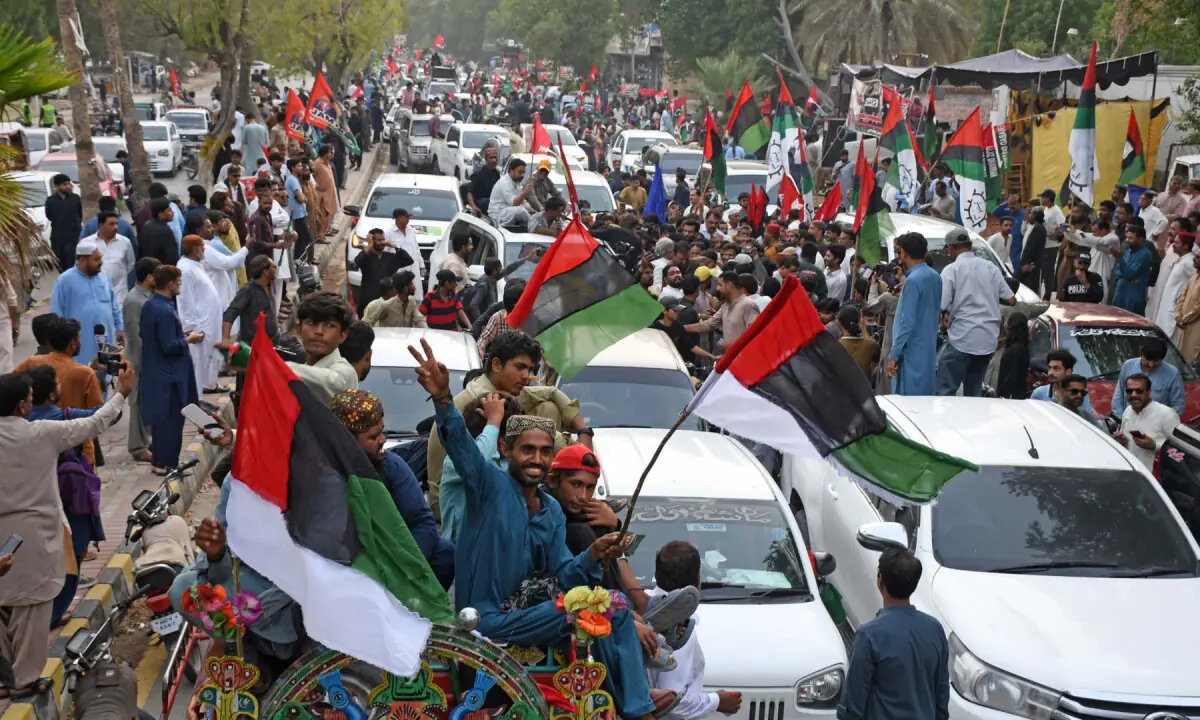
Protests erupted across Pakistan's Sindh province as the Pakistan Peoples Party (PPP) mobilized supporters to condemn India's alleged threats to Pakistan's water share from the Indus River system. The party staged rallies in multiple cities, including Hyderabad and Karachi, under the slogan 'We will die, but we will not give up the Indus.'
We will die, but we will not give up the Indus
PPP Sindh chapter president Nisar Ahmed Khuhro asserted that the party chairman, Bilawal Bhutto-Zardari, has been vocal about the issue on global platforms and will pursue it to its conclusion. Khuhro stated that Bhutto-Zardari would challenge Indian Prime Minister Narendra Modi internationally and mobilize public support within Pakistan to protect the country's water interests. He also criticized other parties for not questioning India's actions.
party chairman Bilawal Bhutto-Zardari had raised the issue at global forums and would take it to a logical end.
The Indus Waters Treaty, brokered by the World Bank in 1960, allocates specific rivers to India and Pakistan. The PPP's demonstrations underscore the sensitivity of water resources in the region and the historical tensions between the two nations over the Indus river system. The party aims to leverage public sentiment to pressure India and secure Pakistan's water rights.
Modi “would get an answer now”.
DistantNews Editorial
Originally published by Dawn. Summarized and contextualized by our editorial team with added local perspective. Read our editorial standards.
More Stories


From Our Blog

What Gets Lost (and Found) When News Is Translated

The Critical Role of Diaspora Media in Global News

What Travellers Should Know About Countries with Restricted Press

A Digital Nomad's Guide to Following Local News

How the Same Story Looks Different in Different Countries
