



Weak arbitration defense costs Nepal government billions
Translated from English, summarized and contextualized by DistantNews.
At a glance
News
Named sources
Context piece
- Government agencies in Nepal frequently lose arbitration cases against contractors due to weak legal defenses, resulting in billions of rupees paid from public funds.
- A review of arbitration records and Auditor General reports shows a pattern of agencies failing to present evidence, pursue counterclaims, or operate within a system criticized for inconsistent decision-making.
- In the past five years, construction companies have claimed around 14 billion rupees, with tribunals ordering at least 5.5 billion rupees in payments, largely attributed to the government's poor arbitration strategies.
Nepal's government agencies are consistently losing billions of rupees in public funds due to weak defenses in arbitration cases with construction companies. A review of arbitration records and Auditor General reports reveals a systemic failure to mount strong legal challenges, often resulting in contractors receiving substantial payouts.
Government bodies rarely file counterclaims.
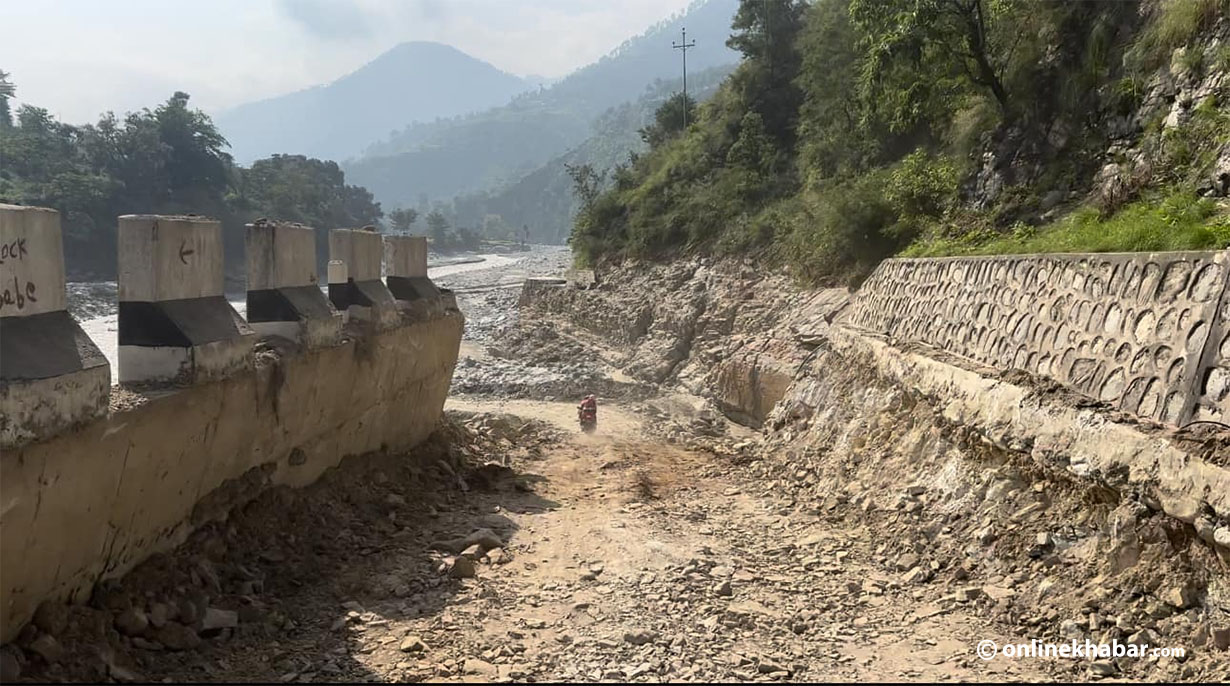
The Keshaliya–Chimadi–Laukahi Road Upgrading Project dispute exemplifies this trend. A construction company claimed 1.44 billion rupees, an amount exceeding the contract value, citing issues like unexpected soil extraction costs and delays in relocating electricity poles. The arbitration tribunal ultimately awarded the company around 20 percent of the claimed amount, including interest, totaling 288.5 million rupees.
There is no proper mechanism for them to work on this. Employees do not put in effort and lack expertise.
Auditor General Toyam Raya highlighted that government bodies rarely file counterclaims, with only 27 out of 160 disputes involving such actions in the Auditor General's latest report. This lack of proactive defense, coupled with insufficient evidence and documentation, leads to decisions that benefit contractors at the state's expense. Former general secretary of the Nepal Council of Arbitration, Baburam Dahal, noted the absence of a proper mechanism and expertise within government agencies to handle these cases effectively, preventing the recovery of costs from contractors who fail to complete work.
If a contractor fails to complete work, the law allows recovery of the remaining cost. But since agencies never claim it, tribunals cannot award it.
DistantNews Editorial
Originally published by Kathmandu Post in English. Translated, summarized, and contextualized by our editorial team with added local perspective. Read our editorial standards.
More Stories


From Our Blog

What Gets Lost (and Found) When News Is Translated

The Critical Role of Diaspora Media in Global News

What Travellers Should Know About Countries with Restricted Press

A Digital Nomad's Guide to Following Local News

How the Same Story Looks Different in Different Countries
