

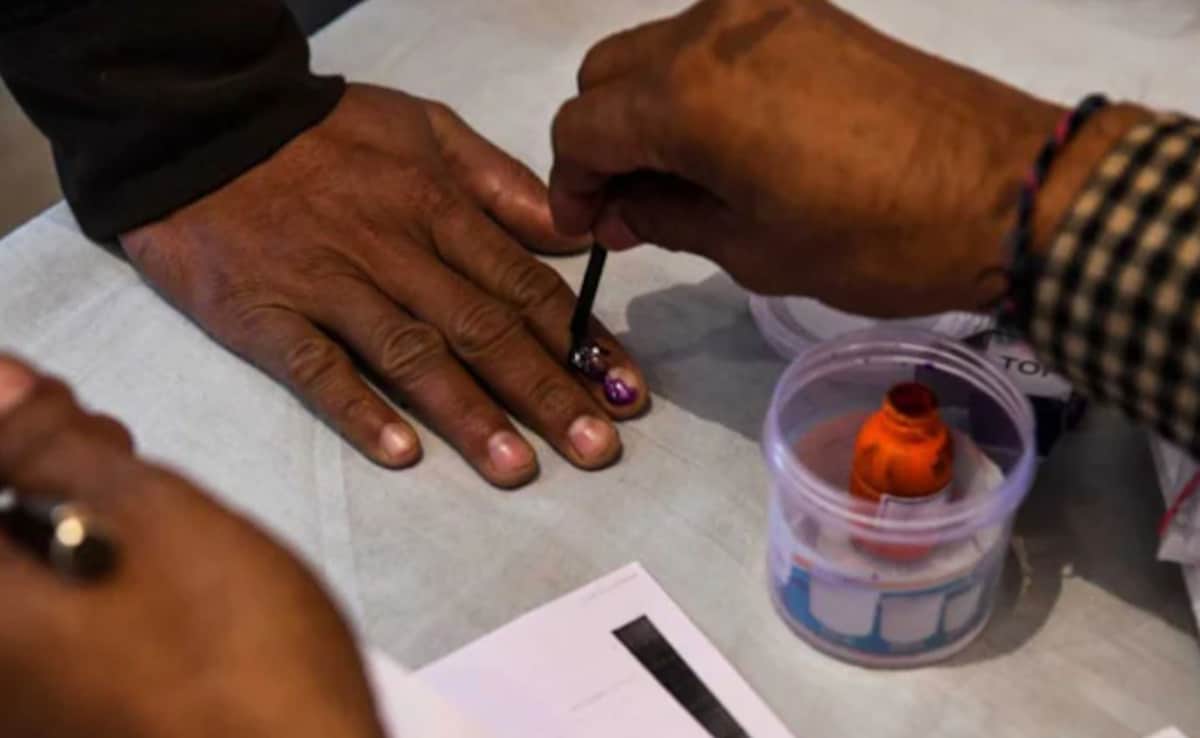

West Bengal Elections: A Historical Battleground Defined by Fierce Politics
Translated from English, summarized and contextualized by DistantNews.
TLDR
- West Bengal's political landscape has been dominated by the Trinamool Congress since 2011, ending the 34-year rule of the CPI (M)-led Left Front.
- The Bharatiya Janata Party (BJP) has emerged as the main opposition, though facing challenges including alleged voter deletion in Muslim-dominated areas and extensive security measures during elections.
- Historically, elections in West Bengal have been marked by violence, with political parties needing to demonstrate an ability to withstand and engage in political confrontation to gain a foothold.
The upcoming elections in West Bengal are poised to be another chapter in the state's uniquely tumultuous political history. For decades, power in West Bengal has been a hard-fought battle, a far cry from the more placid political transitions seen elsewhere in India. The dramatic ousting of the 34-year Left Front government by Mamata Banerjee's Trinamool Congress in 2011 was a watershed moment, but the underlying currents of political engagement in the state have always been intense.
This year's electoral narrative is particularly charged, with allegations of disproportionate voter deletions in minority-dominated constituencies and unprecedented security arrangements, including the deployment of central forces and a significant reshuffling of state bureaucracy. While the Election Commission of India oversees these measures, the historical context of electoral violence in West Bengal cannot be ignored. From the controversial 1972 elections to the widespread violence that marked the 2011 transition, political contests here have rarely been peaceful.
It is politically incorrect to say this, but no political party can hope to find a foothold in, let alone win, West Bengal without an ability to face political violence and inflict counter-violence.
It is a difficult truth, but one that shapes the political DNA of West Bengal: success in this state often requires an ability to navigate, and sometimes confront, political violence. The rise of the BJP as the primary opposition, despite facing significant challenges, including electoral violence particularly in local body polls, underscores this reality. Leaders like Suvendu Adhikari, who transitioned from the TMC to the BJP, embody this fierce political spirit, having been instrumental in the TMC's rise and now a key figure in the opposition.
As journalists in West Bengal, we understand that what might appear as mere electioneering to an outsider is, in fact, a deeply ingrained cultural and political phenomenon. The intensity, the historical baggage of conflict, and the strategic maneuvering are not just tactics; they are the very fabric of our state's politics. While international coverage might focus on policy debates or national trends, our focus remains on the ground, on the historical forces that shape every vote, every rally, and every contest in West Bengal. The upcoming elections will undoubtedly be another testament to this enduring political spirit.
He led the TMC to victory and hegemonic status in t
DistantNews Editorial
Originally published by Hindustan Times in English. Translated, summarized, and contextualized by our editorial team with added local perspective. Read our editorial standards.
More Stories


From Our Blog

What Press Freedom Means for the News You Read

What Gets Lost (and Found) When News Is Translated

The Critical Role of Diaspora Media in Global News

What Travellers Should Know About Countries with Restricted Press

A Digital Nomad's Guide to Following Local News
