


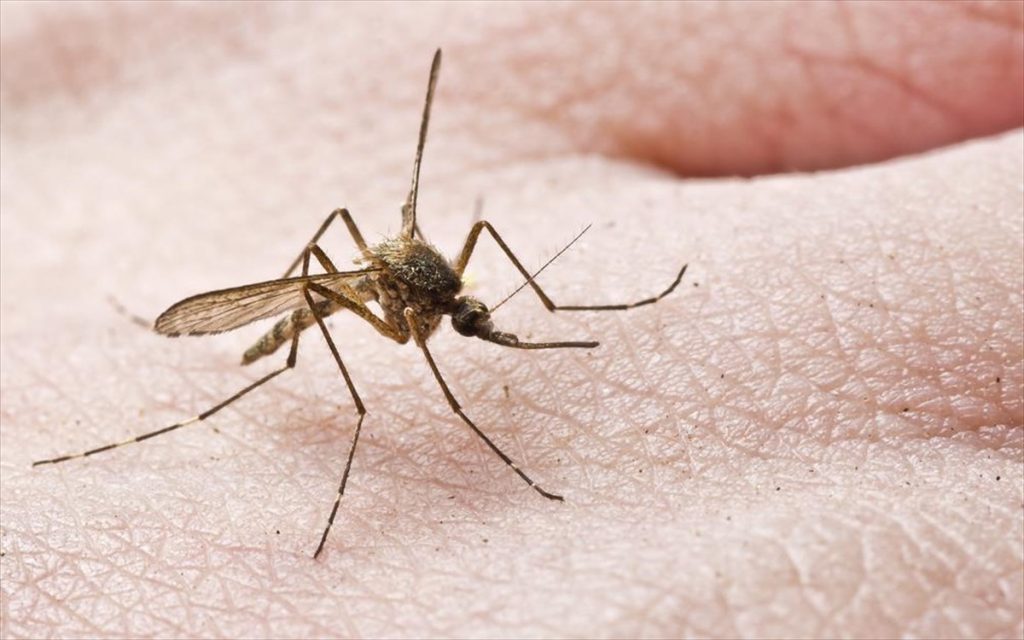
West Nile Virus Cases Rise in Greece, Attica Region Sees Increased Activity
Translated from Greek and summarized by DistantNews. Read the original for the full story.
At a glance
News
Named sources
Context piece
- West Nile Virus cases are increasing in Greece, with 75 new infections reported in one week, nearing the peak of the outbreak.
- Experts note higher virus circulation this year compared to last, with a notable increase in cases within the Attica region, particularly eastern areas.
- Factors like climate change and bird migration, potentially influenced by the Daniel storm, may be contributing to the virus's shifting activity patterns.
Greece is experiencing a significant rise in West Nile Virus cases, with 75 new infections recorded in just one week. Experts estimate the actual number of infected individuals is much higher, as most cases are asymptomatic. The outbreak is believed to be nearing its peak, a common occurrence during the summer months.
The West Nile virus, like every summer, is in its outbreak phase, which begins around mid to late June and lasts until mid to late September.
This year, there is an observed increase in virus circulation compared to the previous year. A particular concern is the heightened activity within the Attica region, especially in eastern areas like Spata and Markopoulo. This marks a shift, as cases have not been prominent within Athens' urban areas for about a decade.
This year appears to have increased circulation, without us being able to say it's the year with maximum circulation. Compared to last year, we are certainly higher.
Health officials explain that the presence of infected mosquitoes in an area is linked to infected birds, primarily corvids like crows and jays. These birds tend to favor rural environments over dense urban settings. The increased activity in eastern Attica is attributed to its remaining rural characteristics, allowing mosquitoes to remain in proximity to both birds and humans.
The difference we have compared to previous years, for at least a decade, is that we are seeing cases within Attica and mainly in Eastern Attica.
Several factors may be contributing to this shift in the virus's activity. Climate change and the migration of bird populations are considered potential influences. There's also a possibility that the severe storm "Daniel," which impacted Thessaly in 2023, played a role. While not fully verifiable, the gradual increase in Attica cases since 2023, after a notable absence since 2012, suggests a potential link to the storm's impact on bird populations and their movements.
Eastern Attica, because it still has a large percentage of rural areas, is why we see higher circulation. The mosquito does not fly very far, so it needs to be close to both the bird and the human.
About this summary
Originally published by Ta Nea in Greek. Translated, summarized, and contextualized automatically by DistantNews, with a note on how the source frames the story. Not individually reviewed before publishing. How this works.
More Stories


From Our Blog

What Gets Lost (and Found) When News Is Translated

The Critical Role of Diaspora Media in Global News

What Travellers Should Know About Countries with Restricted Press

A Digital Nomad's Guide to Following Local News

How the Same Story Looks Different in Different Countries
