


West Nile Virus: Dangerous Neurological Symptoms and Rising Concern in Attica
Translated from Greek and summarized by DistantNews. Read the original for the full story.
At a glance
News
Named sources
Ongoing story
- Authorities in Attica and other Greek regions are placing mosquito traps and conducting spraying as the proportion of infected mosquitoes increases.
- EODY President Theodoros Vasilakopoulos said mosquito numbers have risen only slightly, but migratory birds may have carried more virus this year.
- Weakness, drowsiness and confusion can signal serious illness, although 80% of infected people remain symptom-free and fewer than 1% develop severe neurological complications.
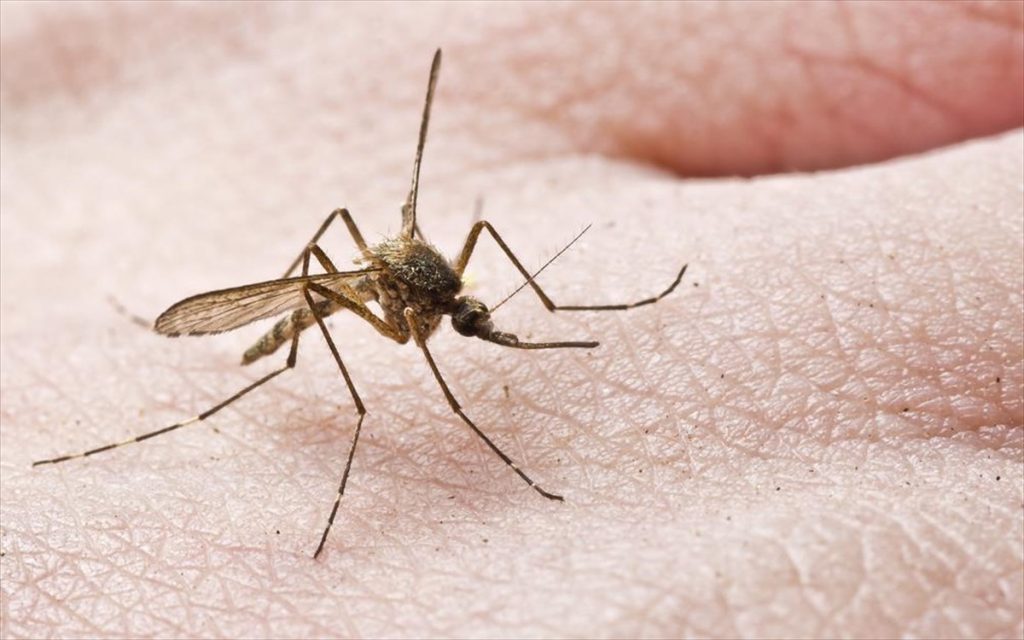
The warning around West Nile virus in Attica concerns not a sharp rise in mosquito numbers, but a higher share of infected insects. Greek health authorities have begun preventive and monitoring measures in Attica and other parts of the country.
In Alimos, authorities are carrying out systematic spraying and placing special traps to attract and capture mosquitoes for scientific analysis. The measures aim to monitor the insect population and identify infection levels.
Theodoros Vasilakopoulos, president of Greece’s National Public Health Organization, said mosquito numbers had increased only slightly because of weather conditions. He attributed the higher infection rate partly to increased movement of migratory birds, which can carry the virus. He said such bird movements become more frequent every seven to eight years and may bring larger quantities of the virus, depending on the birds’ immunity.
The peak in cases is expected in August, with a decline forecast from September through October. West Nile virus does not spread from person to person, and people who recover develop immunity.
A patient, Konstantinos Chakas, described a severe illness that required 11 days in hospital. He said the symptoms began with abdominal discomfort and later worsened, followed within a week by confusion and difficulty responding to conversations and questions. His wife contacted a doctor and emergency services, who advised immediate hospital treatment. About 80% of infected people have no symptoms, while fewer than 1% develop serious neurological complications. Older people face particular risk.
I did not respond to conversations or questions she asked me.
About this summary
Originally published by Ta Nea in Greek. Translated, summarized, and contextualized automatically by DistantNews, with a note on how the source frames the story. Not individually reviewed before publishing. How this works.
More Stories


From Our Blog

What Gets Lost (and Found) When News Is Translated

The Critical Role of Diaspora Media in Global News

What Travellers Should Know About Countries with Restricted Press

A Digital Nomad's Guide to Following Local News

How the Same Story Looks Different in Different Countries
