


West Nile Virus: Outbreak Peak Expected Until October, High-Risk Groups and Symptoms Identified
Translated from Greek, summarized and contextualized by DistantNews.
At a glance
News
Sources not specified
Ongoing story
- West Nile virus cases are increasing and have spread to multiple areas of Attica, with the peak expected to continue until October.
- Six deaths have been recorded, indicating a significant spread and severity of the disease.
- High-risk groups include individuals over 60, those with health issues or weakened immune systems, pregnant women, and children.
The spread of West Nile virus in Greece has prompted alarm, with cases rising and extending into October. The Medical Association of Athens has issued a warning as the virus has now reached numerous parts of Attica. Six deaths have been reported, signaling the disease's significant reach and seriousness.
Professor of Epidemiology and Preventive Medicine at EKPA, Theodora Psaltopoulou, stated that the peak season for the virus continues until October, predicting further increases in cases. She emphasized that the six fatalities recorded so far are a substantial number, underscoring the virus's widespread transmission and the severity of the illness.
Certain groups are at higher risk, including individuals over 60, those with pre-existing health conditions or compromised immune systems, pregnant women, and children. These vulnerable populations are more susceptible to the virus and its potential complications.
8 out of 10 people who get infected do not show any symptoms.
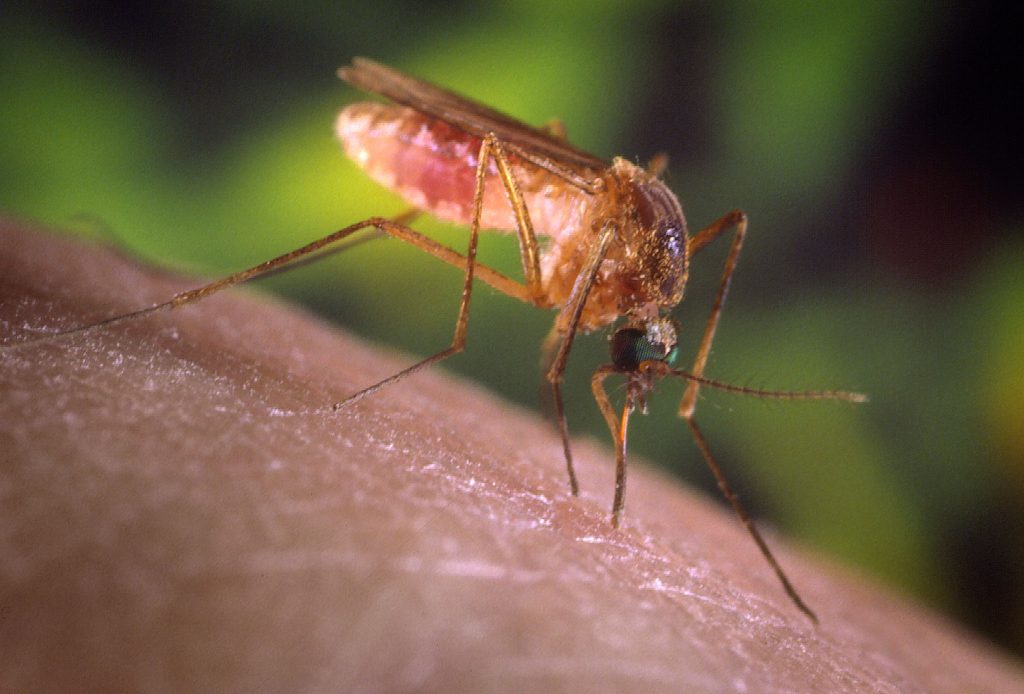
Transmission occurs through the bite of an infected mosquito, which has contracted the virus from infected birds. Psaltopoulou advised calm, noting that most infected individuals, about 80%, show no symptoms. Around 20% may experience mild symptoms like fever, headache, and muscle pain. However, approximately 1% can develop severe neurological symptoms, including high fever, severe headache, neck stiffness, seizures, loss of consciousness, or paralysis, requiring immediate hospitalization.
Preventive measures include wearing long clothing, especially during dawn and dusk, using mosquito repellents, nets, screens, fans, and air conditioning. These steps are crucial to minimize exposure during the ongoing outbreak.
1 in 100 can present a more serious picture with high fever, severe headache, neck stiffness, or even central nervous system symptoms, such as seizures, loss of consciousness, or paralysis.
DistantNews Editorial
Originally published by Ta Nea in Greek. Translated, summarized, and contextualized by our editorial team with added local perspective. Read our editorial standards.
More Stories



From Our Blog

What Gets Lost (and Found) When News Is Translated

The Critical Role of Diaspora Media in Global News

What Travellers Should Know About Countries with Restricted Press

A Digital Nomad's Guide to Following Local News

How the Same Story Looks Different in Different Countries
