

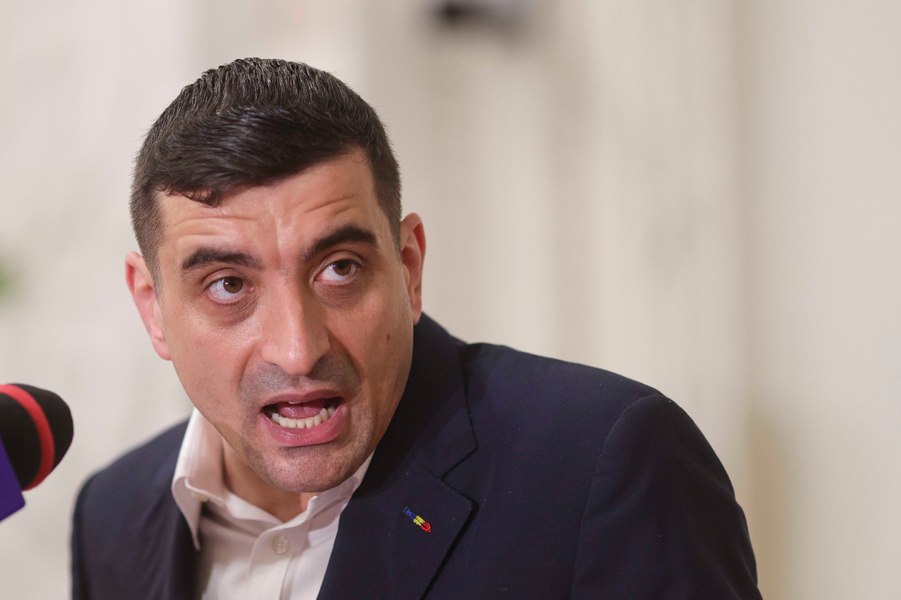

What could change in September polling? AUR remains at a very high level
Translated from Romanian and summarized by DistantNews. Read the original for the full story.
At a glance
Analysis
Named sources
Ongoing story
- AUR, led by George Simion, remains the strongest party in INSCOP Research’s July and August measurements.
- Remus Ștefureac said the parties behind AUR may be drawing closer together, but September polling will be needed to confirm the trend.
- He linked AUR’s strength to prolonged political crisis, public dissatisfaction with economic and security management, and frustration with political infighting.
AUR remains firmly at the top of Romania’s political polling, but the parties behind it may be closing the gap with one another, according to Remus Ștefureac, director of INSCOP Research.
Ștefureac urged caution in reading the July and August measurements. Summer respondents are more detached from events and less willing to spend time on surveys, he wrote on Facebook. For that reason, INSCOP rarely publishes such figures, although they cannot be ignored entirely.
I do not place much confidence in political measurements from July and August, even though we conduct them every year.
The researcher did not disclose the parties’ exact percentages. He said the results could point to a renewed balancing of political forces if September polling confirms them. AUR, the party led by George Simion, remains “very high,” he said, while the parties below it appear to be moving closer together.
AUR remains high, very high, but below AUR things are rebalancing.
Ștefureac connected the possible shift to dissatisfaction with how political parties are handling economic and security problems. He also attributed AUR’s position to the prolonged political crisis and the public perception that political leaders are failing to respond adequately to social pressures.
He described the trend as a reaction from voters exhausted and angered by the contrast between severe economic and security challenges, pressure on household incomes, and political representatives who prioritize disputes over construction and responsibility. The article also references an AUR complaint to Romania’s National Anticorruption Directorate concerning the SAFE program and alleged irregularities in contracts worth billions of euros.
The unjustified prolongation of the political crisis naturally benefits AUR by expanding and consolidating its base.
About this summary
Originally published by Adevărul in Romanian. Translated, summarized, and contextualized automatically by DistantNews, with a note on how the source frames the story. Not individually reviewed before publishing. How this works.
More Stories
From Our Blog

News in Translation: What Gets Lost, and How We Keep the Framing

Diaspora Media: How Communities Abroad Follow Home

Traveling Where the Press Is Not Free: How to Read the News There

The Digital Nomad's Guide to Local News

The Same Story, Different Countries: How Coverage Changes at the Border
