

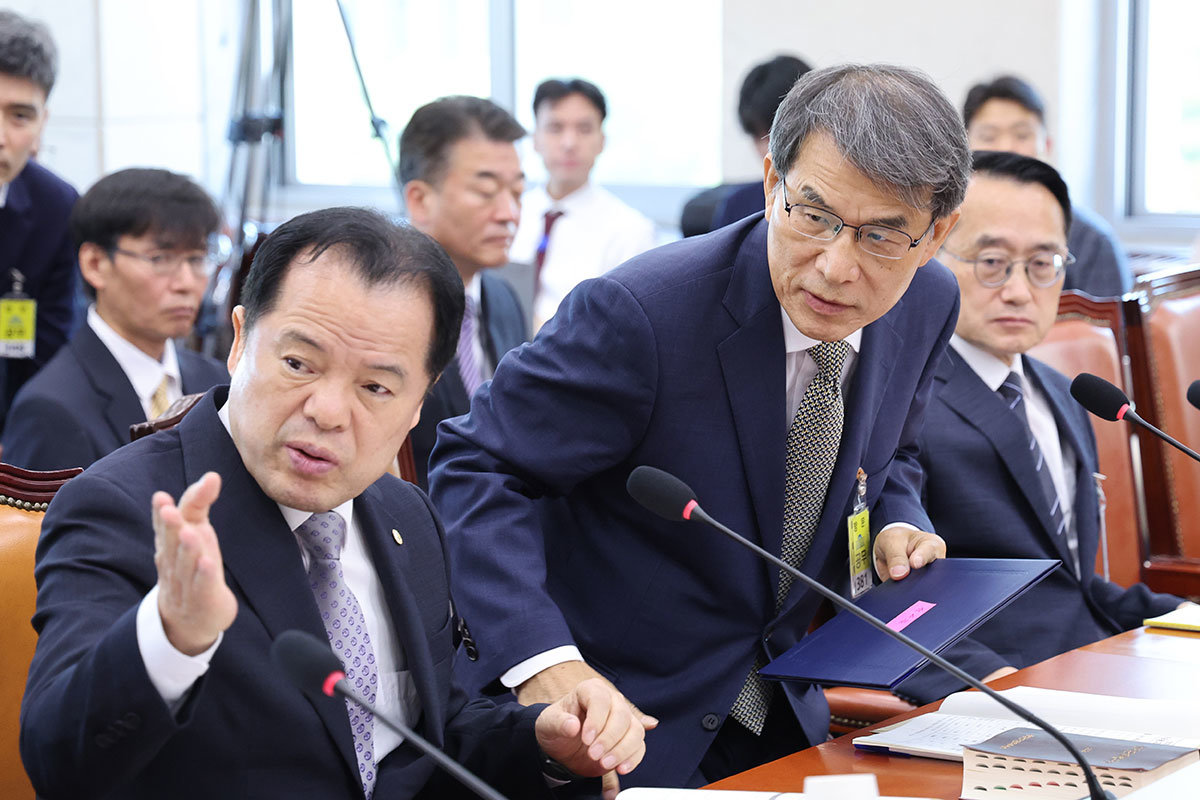

What did overseas election officials do in non-election years?
Translated from Korean, summarized and contextualized by DistantNews.
At a glance
Analysis
Named sources
Context piece
- South Korea dispatched 176 overseas election officials to foreign missions since 2011, with postings up to three years.
- Officials in non-election years reportedly supervised student elections at Korean schools abroad and received over 100 million won in living expenses.
- One official in an Asian country faced complaints for loud disturbances while intoxicated at home, described as a national embarrassment.
The effectiveness and necessity of overseas election officials during non-election years are being questioned. Since 2011, South Korea's National Election Commission has sent 176 election officials to overseas missions, with assignments lasting up to three years. However, with general elections occurring every four years and presidential elections every five, these officials often face extended periods without their primary duties.
Reports suggest that during these non-election years, some officials engaged in activities such as supervising student council elections at local Korean schools. While assisting Korean schools abroad is not inherently problematic, concerns arise given that these officials receive substantial living allowances, exceeding 100 million won, funded by taxpayers. This raises questions about the allocation of resources when primary election-related tasks are absent.
Coached step-by-step from the formation of the on-campus election committee to the candidates' campaign methods and the vote-counting process.
Further allegations paint a concerning picture of conduct. One official stationed in an Asian country reportedly received multiple complaints from neighbors due to frequent loud disturbances while intoxicated at home. A diplomatic source described the behavior as a "national embarrassment," highlighting a potential lapse in professional conduct and representation abroad. Despite efforts to promote overseas voting, voter turnout has reportedly declined.
In a word, it was a national embarrassment.
DistantNews Editorial
Originally published by Dong-A Ilbo in Korean. Translated, summarized, and contextualized by our editorial team with added local perspective. Read our editorial standards.
More Stories

From Our Blog

What Gets Lost (and Found) When News Is Translated

The Critical Role of Diaspora Media in Global News

What Travellers Should Know About Countries with Restricted Press

A Digital Nomad's Guide to Following Local News

How the Same Story Looks Different in Different Countries
