


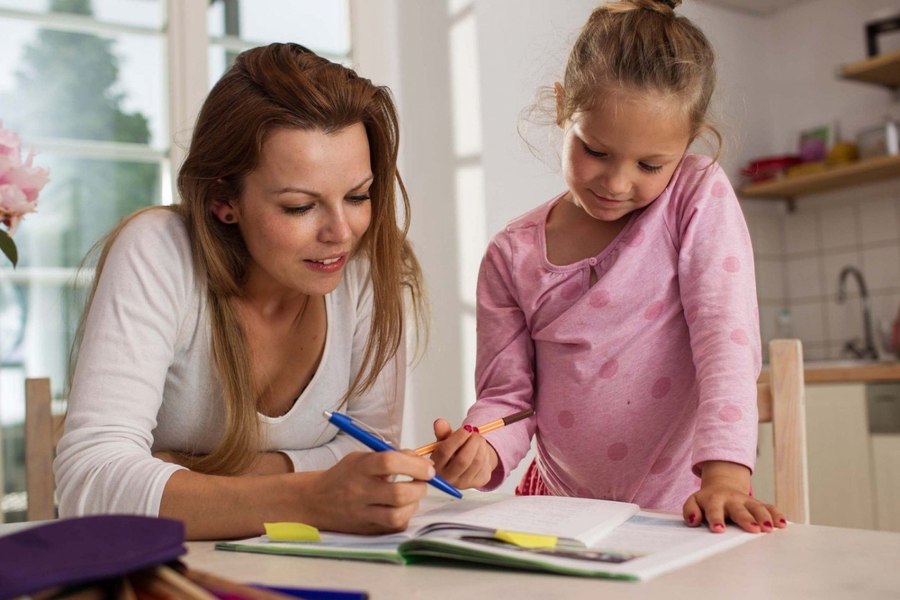
What It Means to Be a Good Parent: Common Mistakes That Can Harm Children
Translated from Romanian, summarized and contextualized by DistantNews.
At a glance
Interview
Named sources
Context piece
- A pediatric psychiatrist discusses common parenting mistakes that can harm children in a rapidly changing society.
- Factors like increased screen time, online bullying, and parental work demands strain parent-child relationships.
- The expert emphasizes that parental availability and consistent boundaries are crucial for healthy child development.
In today's rapidly evolving world, parents grapple with unprecedented challenges in raising children. Dr. Laura Jijie, a leading pediatric psychiatrist, addresses common pitfalls in parenting, stressing the importance of balance and consistent boundaries. The modern landscape, marked by accelerated technological development and social shifts, has profoundly altered childhood. Children are increasingly drawn to screens, while social media introduces subtle yet devastating forms of online bullying. Many parents find themselves disconnected from their children's virtual worlds due to generational gaps.
Compounding these issues, societal pressures often force adults into longer working hours. The pursuit of a higher standard of living and financial strain reduce precious family time, leading to diminished communication between parents and children. This is further complicated by the pressure for academic achievement, the influence of online social models, and a deluge of parenting advice. Some parents adopt hyperprotective stances, others cling to outdated educational methods, and many struggle to remain sufficiently involved in their children's lives. The support of grandparents is also often absent, due to objective reasons or societal changes.
Pampering is not an illness, but the consequence of a parental style.
Dr. Jijie clarifies that what many perceive as a psychological issue, such as excessive pampering, is often a consequence of parental interaction styles rather than a mental health disorder. "Pampering is not an illness, but the consequence of a parental style," she states. When a child throws a tantrum to get their way, and parents immediately concede, the child learns that such aggressive behavior yields results. This, Dr. Jijie explains, is not a sign of a mental health problem but an indication of inadequate and inconsistent parental responses. She emphasizes that parental availability is essential, and navigating these challenges requires understanding the interplay between a child's temperament and the chosen parenting approach.
When a child wants something, starts crying, shouting, screaming, or throws themselves on the floor. If the parent immediately fulfills their wish, the child learns that they must insist on that aggressive behavior to get what they want.
DistantNews Editorial
Originally published by Adevărul in Romanian. Translated, summarized, and contextualized by our editorial team with added local perspective. Read our editorial standards.
More Stories



From Our Blog

What Gets Lost (and Found) When News Is Translated

The Critical Role of Diaspora Media in Global News

What Travellers Should Know About Countries with Restricted Press

A Digital Nomad's Guide to Following Local News

How the Same Story Looks Different in Different Countries
