

Saudi-Turkey-Pakistan Mecca pact 'falls short' of a Nato-style defence alliance
Translated from English, summarized and contextualized by DistantNews.
At a glance
News
Named sources
New plan
- Saudi Arabia, Turkey, and Pakistan signed the Mecca Joint Defence Agreement, aiming to enhance collective deterrence.
- Experts believe the pact falls short of a "Nato-style" alliance due to diverging strategic interests and weak mutual defense capacity.
- Turkey's top diplomat stated the deal is not directed against any specific country, while Iran views it as a response to Israeli ambitions and waning confidence in U.S. security guarantees.
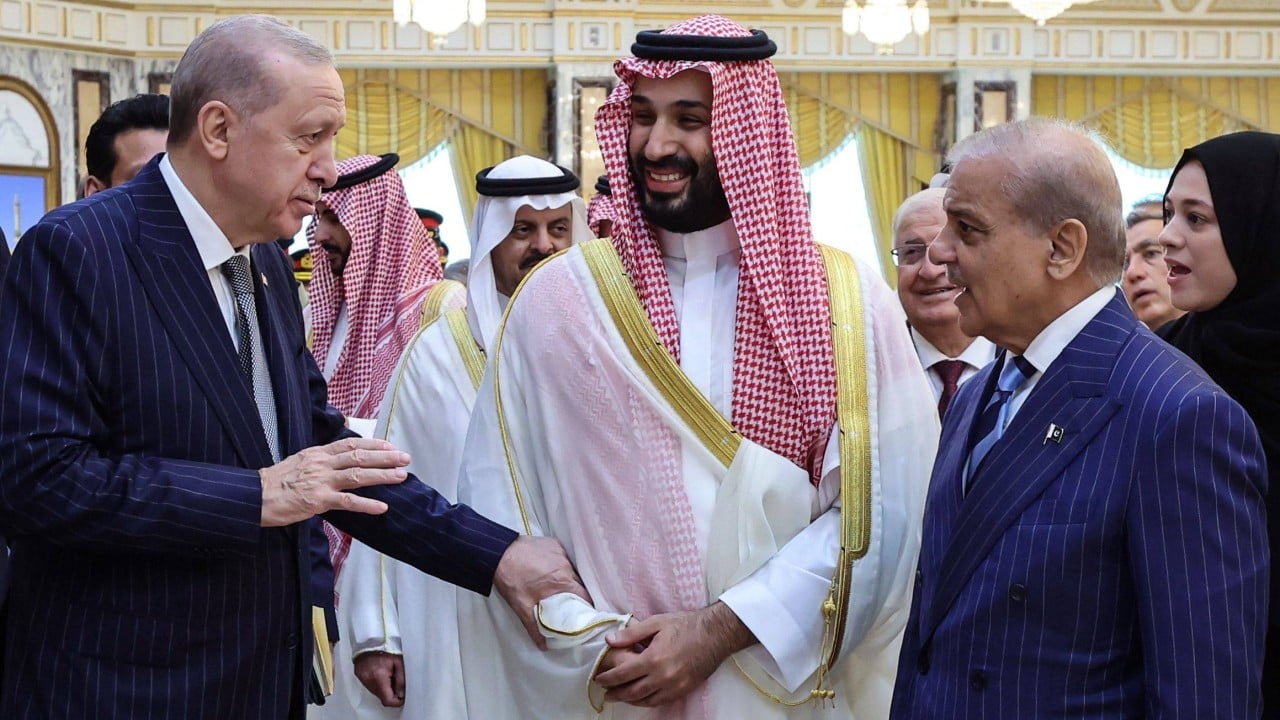
A new security pact signed by Saudi Arabia, Turkey, and Pakistan in Mecca aims to bolster collective deterrence among the three Muslim-majority nations. However, experts suggest the agreement, dubbed the Mecca Joint Defence Agreement, falls significantly short of creating an "Islamic Nato."
The pact's statement that an attack on one member will be considered an attack on all mirrors Article 5 of the North Atlantic Treaty Organization's charter. Turkish diplomat Hakan Fidan highlighted this similarity but stressed that the agreement is not intended to target Iran or any other nation, provided its members are not attacked.
The Mecca pact’s statement that an armed attack on any of the three would be viewed as an attack on all is technically similar to the defence principle outlined in the transatlantic security alliance’s Article 5.
Despite the pact's stated intentions, experts point to diverging strategic interests and limited mutual defense capabilities among the signatories as major challenges. These factors are expected to hinder the alliance's effectiveness.
Meanwhile, Iran has reacted to the pact, viewing it as a response to Israeli ambitions and a reflection of declining regional confidence in U.S. security assurances. The agreement was signed amid ongoing Middle East conflict, sparked by a U.S.-Israeli attack on Iran earlier in the year. Tensions remain high, with ongoing disputes between Washington and Tehran over the Strait of Hormuz, further dimming prospects for a swift resolution to the conflict.
However, he also stressed that the deal was not directed against Iran or any other country – as long as the pact’s member states were not attacked.
DistantNews Editorial
Originally published by South China Morning Post in English. Translated, summarized, and contextualized by our editorial team with added local perspective. Read our editorial standards.
More Stories

From Our Blog

Countries Without a Free Press: What You Need to Know

What Press Freedom Means for the News You Read

What Gets Lost (and Found) When News Is Translated

The Critical Role of Diaspora Media in Global News

What Travellers Should Know About Countries with Restricted Press
