



What to pack in an emergency bag for disaster survival
Translated from Indonesian and summarized by DistantNews. Read the original for the full story.
At a glance
Explainer
Official statement
Context piece
- Indonesia’s disaster agency urges households to prepare waterproof emergency bags that can support family members for at least three days.
- Recommended supplies include documents, clothing, food, water, medicines, first-aid materials, lighting, cash and signaling equipment.
- The guidance reflects Indonesia’s exposure to megathrust earthquakes, tsunamis, volcanic eruptions and other natural disasters.
Indonesia’s disaster agency is urging families to prepare emergency bags that can help them survive for at least three days if assistance is delayed.
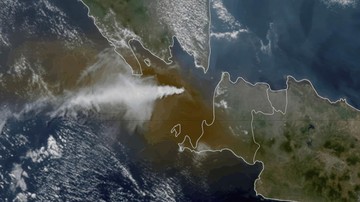
The advice comes as Indonesia remains vulnerable to megathrust earthquakes, tsunamis and volcanic eruptions. The country lies on the Pacific Ring of Fire, where the Eurasian, Indo-Australian and Pacific tectonic plates meet. The article also notes that ash from a recent eruption of Mount Anak Krakatau spread across Java, including Greater Jakarta, and Sumatra.
The National Disaster Management Agency, known as BNPB, recommends using a sturdy, waterproof backpack. Supplies should be sealed in plastic wrapping before being packed, both to protect them from water and to make evacuation easier.
The bag should contain vital family documents, including land titles, vehicle registrations, diplomas, birth certificates, family cards, identity cards, passports and insurance policies. Families should also pack three days of clothing, blankets, towels, gloves and raincoats.
Food should be nonperishable, require no cooking and provide protein. Suggested items include biscuits, ready-to-eat meals, shredded meat, canned goods and chocolate. A pocketknife, can opener, utensils and reusable plates can accompany the food. BNPB recommends at least three liters of drinking water per person, preferably in small, durable bottles.
Other essentials include a first-aid kit, three days of prescription medicines, flashlights or headlamps, candles, matches and spare batteries. Hand-cranked or solar-powered lamps can help when electricity fails. The agency also advises carrying small-denomination cash, a whistle for signaling, and dust masks or other respiratory protection.
About this summary
Originally published by Tempo in Indonesian. Translated, summarized, and contextualized automatically by DistantNews, with a note on how the source frames the story. Not individually reviewed before publishing. How this works.
More Stories


From Our Blog

News in Translation: What Gets Lost, and How We Keep the Framing

Diaspora Media: How Communities Follow News From Home

Traveling Where the Press Is Not Free: How to Read the News There

The Digital Nomad's Guide to Local News

The Same Story, Different Countries: How Coverage Changes at the Border
