

WhatsApp integrates biometric security to combat AI fraud
Translated from Spanish, summarized and contextualized by DistantNews.
At a glance
News
Named sources
New plan
- Veridas has integrated its biometric identity verification into WhatsApp to combat AI-driven fraud.
- The system verifies identity within the messaging app, eliminating the need for external apps or websites.
- It uses a three-level protection system to detect AI-generated fakes and prevent identity theft.
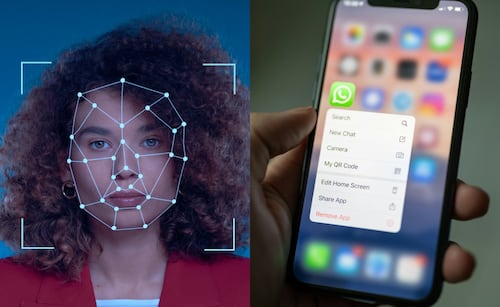
Veridas, a company specializing in digital identity, has introduced a new biometric verification system directly within WhatsApp, aiming to protect user accounts from identity theft fueled by artificial intelligence. This innovative approach allows users to verify their identity in under 30 seconds without downloading additional applications or navigating to external websites. Jordi Torres, a representative for Veridas, explained that the key advantage is conducting the entire process within the familiar WhatsApp environment. "You are not asking the user to go to a website or download an application. Everything happens in the channel where they already communicate," Torres stated. This integration addresses a common issue where users abandon digital registration processes when required to switch applications for verification. The system is designed to be highly secure, employing a three-tiered defense against sophisticated AI-driven attacks, including deepfakes. Veridas's technology first detects if video or images are AI-generated, then identifies attempts to inject fake media into the verification process, and finally analyzes behavioral patterns for mass fraud attempts. Torres asserts that this layered security makes the system "almost impossible" to breach. Addressing privacy concerns, Veridas emphasizes its "privacy by design" principle, ensuring that images used for verification are processed only as needed and then promptly deleted. For official verifications, such as against national databases, the system uses irreversible biometric vectors instead of facial images to protect personal data.
DistantNews Editorial
Originally published by El Universal in Spanish. Translated, summarized, and contextualized by our editorial team with added local perspective. Read our editorial standards.
More Stories

From Our Blog

What Press Freedom Means for the News You Read

What Gets Lost (and Found) When News Is Translated

The Critical Role of Diaspora Media in Global News

What Travellers Should Know About Countries with Restricted Press

A Digital Nomad's Guide to Following Local News
