

When and how will China ease capital controls?
Summarized and contextualized by DistantNews.
At a glance
Analysis
Sources not specified
Context piece
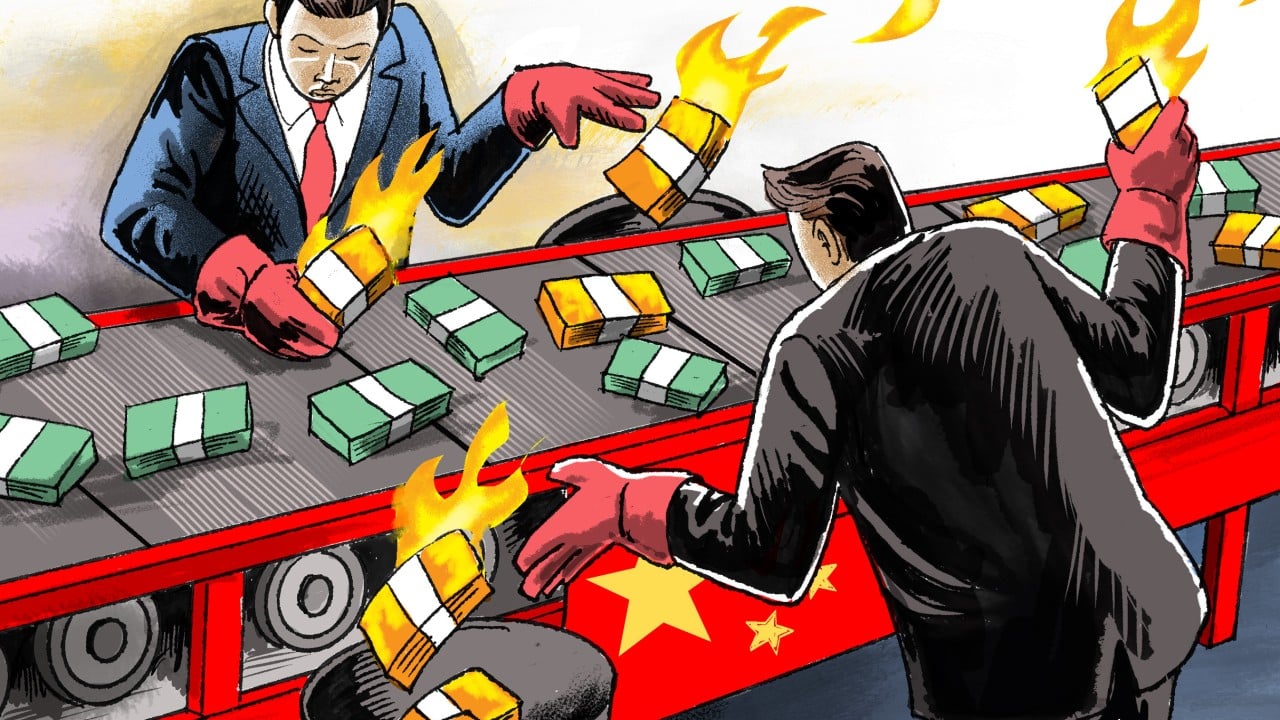
- China fined three Hong Kong brokerages over $330 million for illegally offering mainland investors access to overseas stocks.
- This action aims to enforce capital controls, not deter overseas investment, as investors were given time to unwind positions.
- Despite ample foreign exchange reserves, China maintains capital flow controls, with the yuan's international role growing.
China recently imposed fines totaling over $330 million on three Hong Kong brokerages, Tiger Brokers, Futu Securities International, and Longbridge Securities. The China Securities Regulatory Commission penalized them for providing mainland Chinese investors access to overseas stock markets without proper authorization.
This move is not intended to discourage foreign investment but rather to enforce China's existing capital controls. The fact that investors were not penalized and were instead granted two years to divest their holdings underscores this objective. Legal avenues for mainland investors to access foreign securities include the Hong Kong Stock Connect scheme, Qualified Domestic Institutional Investor (QDII) funds, and the Cross-boundary Wealth Management Connect scheme for residents of the Greater Bay Area.
Historically, capital controls were implemented due to concerns about capital flight and scarce foreign exchange. However, China now possesses the world's largest official foreign exchange reserves, exceeding $3.4 trillion. The yuan's share in international clearing and settlement has also steadily increased, and it has maintained a stable value against the U.S. dollar, with expectations of long-term appreciation.
Despite its substantial foreign exchange reserves and the growing international use of the yuan, China continues to regulate certain capital flow items. The purpose behind maintaining these controls in the current economic climate, where foreign exchange is no longer a scarce resource, remains a key question.
DistantNews Editorial
Originally published by South China Morning Post. Summarized and contextualized by our editorial team with added local perspective. Read our editorial standards.
More Stories

From Our Blog

Countries Without a Free Press: What You Need to Know

What Press Freedom Means for the News You Read

What Gets Lost (and Found) When News Is Translated

The Critical Role of Diaspora Media in Global News

What Travellers Should Know About Countries with Restricted Press
