

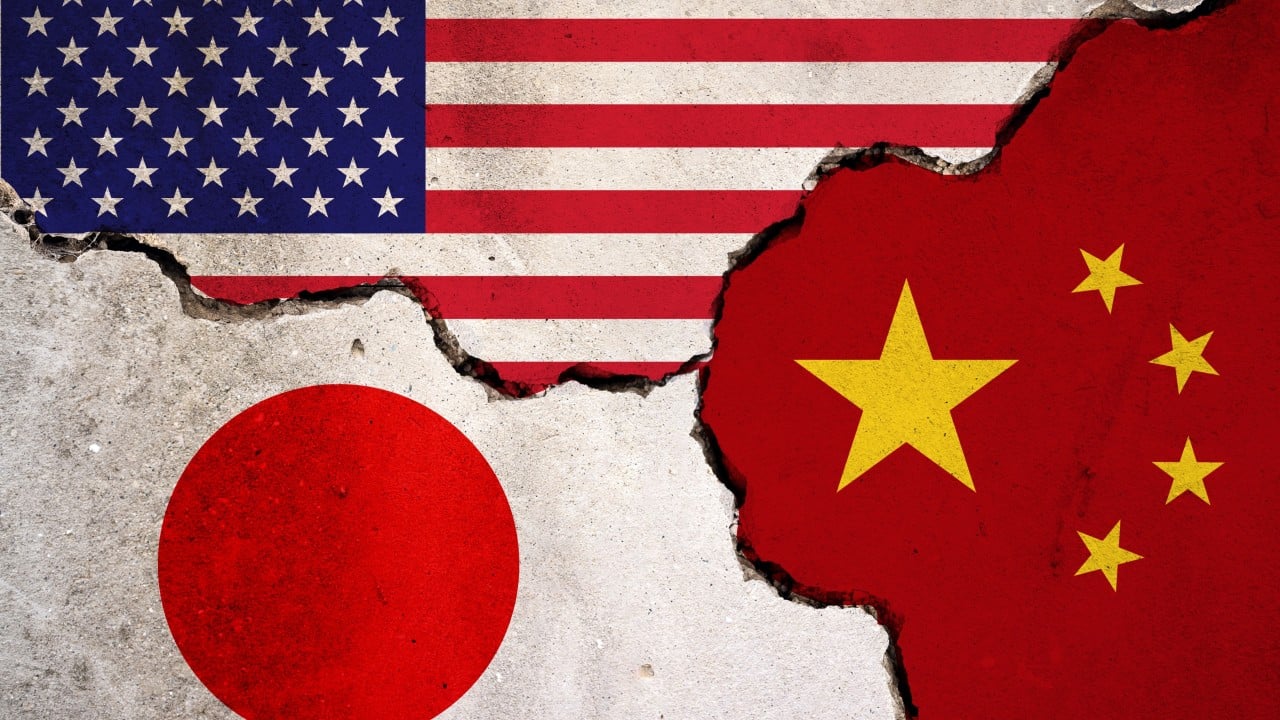
Beijing's message for ASEAN: China doesn't want to become a regional hegemon
Translated from English, summarized and contextualized by DistantNews.
At a glance
News
Sources not specified
New plan
- A top Chinese Communist Party official assured ASEAN that China does not aspire to be a regional hegemon.
- The official stated that China's "harmonious coexistence" is deeply ingrained and unlikely to change into militaristic dominance.
- The comments were made at a summit in Shenzhen, emphasizing strengthened energy cooperation between China and ASEAN.
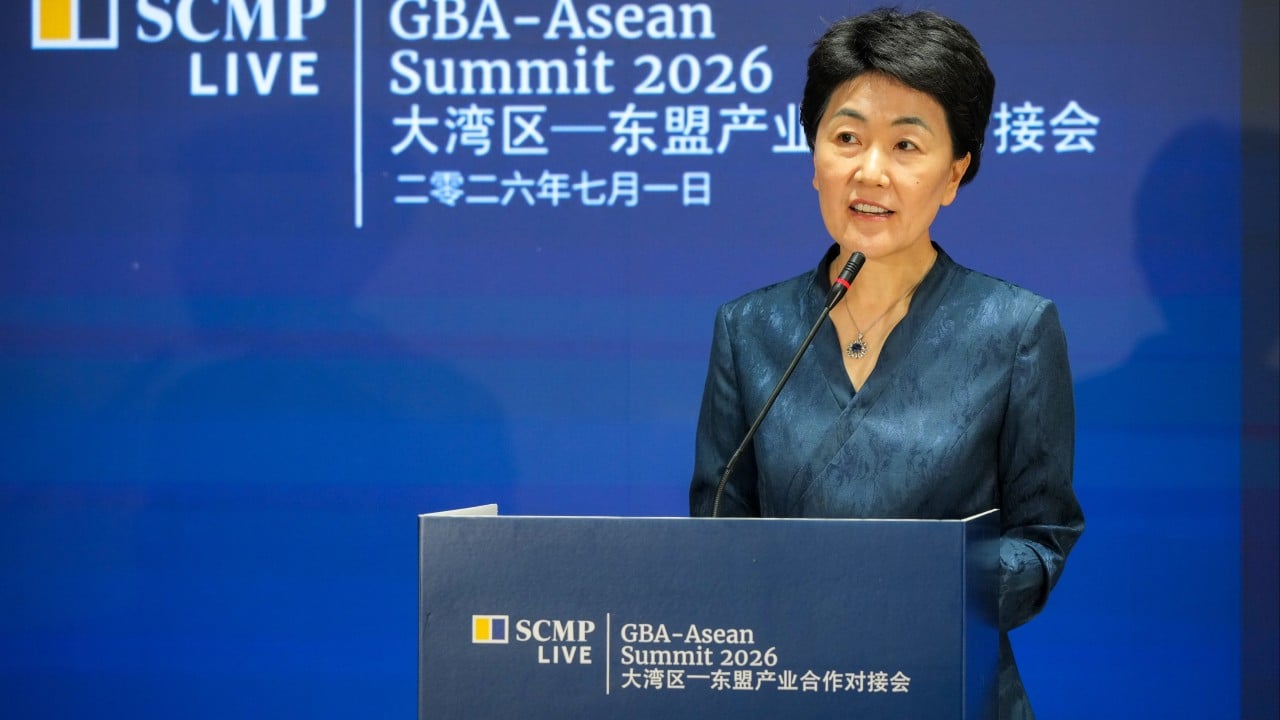
China's top Communist Party official for party-to-party diplomacy reiterated Beijing's commitment to not becoming a regional hegemon, addressing the Association of Southeast Asian Nations (ASEAN). Sun Haiyan, deputy head of the party's International Department, emphasized that China's core values of "harmonious coexistence" are fundamental to its identity and are not subject to change.
Speaking at the Greater Bay Area-ASEAN summit in Shenzhen, Sun stated, "For a country like China, which has ‘harmonious coexistence’ embedded in its DNA, it is extremely difficult to undergo a ‘genetic mutation’ and become a militaristic hegemony that bullies the small and weak." She suggested that a nation's history deeply influences its cultural "genes," which are passed down through generations.
For a country like China, which has ‘harmonious coexistence’ embedded in its DNA, it is extremely difficult to undergo a ‘genetic mutation’ and become a militaristic hegemony that bullies the small and weak.
Sun contrasted this with countries that have a history of conflict, implying that maintaining long-term peace might be more challenging for them. Her remarks aimed to reassure ASEAN nations about China's intentions in the region, particularly amidst growing geopolitical tensions.
The summit also focused on strengthening energy cooperation between China and the Southeast Asian bloc. The event, organized by the South China Morning Post, provided a platform for dialogue on economic and political ties, with China seeking to project an image of a responsible and non-aggressive regional power.
For example, some countries in the world have a history of war, so it is really difficult for them to maintain peace for a long time.
DistantNews Editorial
Originally published by South China Morning Post in English. Translated, summarized, and contextualized by our editorial team with added local perspective. Read our editorial standards.
More Stories


From Our Blog

Countries Without a Free Press: What You Need to Know

What Press Freedom Means for the News You Read

What Gets Lost (and Found) When News Is Translated

The Critical Role of Diaspora Media in Global News

What Travellers Should Know About Countries with Restricted Press
