


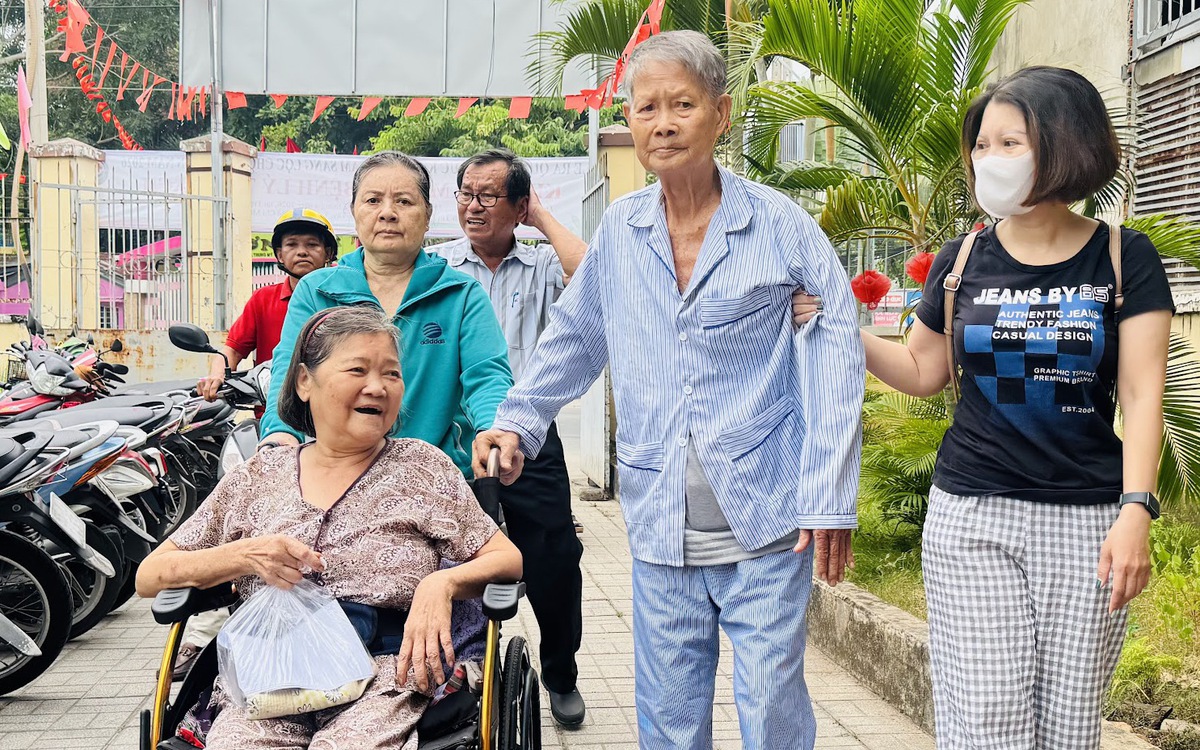
When it's no longer a 'young city,' how does Ho Chi Minh City adapt to population aging?
Translated from Vietnamese, summarized and contextualized by DistantNews.
At a glance
News
Sources not specified
Context piece
- Ho Chi Minh City is rapidly aging, with over 30% of its population expected to be over 60 within two decades.
- The city is facing the challenge of adapting to a "super-aged" society.
- Politburo Resolution 09 directs the city to proactively address population aging.
Ho Chi Minh City is confronting the imminent reality of a rapidly aging population, a demographic shift that will redefine its future. Projections indicate that within just over two decades, the city will transition into a "super-aged" society, with more than 30% of its residents exceeding the age of 60. This demographic challenge necessitates a proactive adaptation strategy, as outlined in Politburo Resolution 09. The resolution specifically tasks the city with developing measures to manage and respond to the needs of an increasingly elderly populace. The city's leadership is now focused on implementing policies that support senior citizens, ensure adequate healthcare, and maintain economic vitality amidst this demographic transformation. The transition from a "young city" to an "aged city" presents complex social and economic considerations that require careful planning and innovative solutions to ensure the well-being and continued development of Ho Chi Minh City.
DistantNews Editorial
Originally published by Tuổi Trẻ in Vietnamese. Translated, summarized, and contextualized by our editorial team with added local perspective. Read our editorial standards.
More Stories


From Our Blog

What Gets Lost (and Found) When News Is Translated

The Critical Role of Diaspora Media in Global News

What Travellers Should Know About Countries with Restricted Press

A Digital Nomad's Guide to Following Local News

How the Same Story Looks Different in Different Countries
