

When to watch the Perseids in 2026: dates named for summer’s brightest meteor shower
Summarized and contextualized by DistantNews.
At a glance
News
Sources not specified
Context piece
- The Perseid meteor shower will peak on the night of August 12-13, 2026.
- Ideal viewing conditions are expected due to the new moon and minimal light pollution.
- Up to 100 meteors per hour may be visible under clear skies.
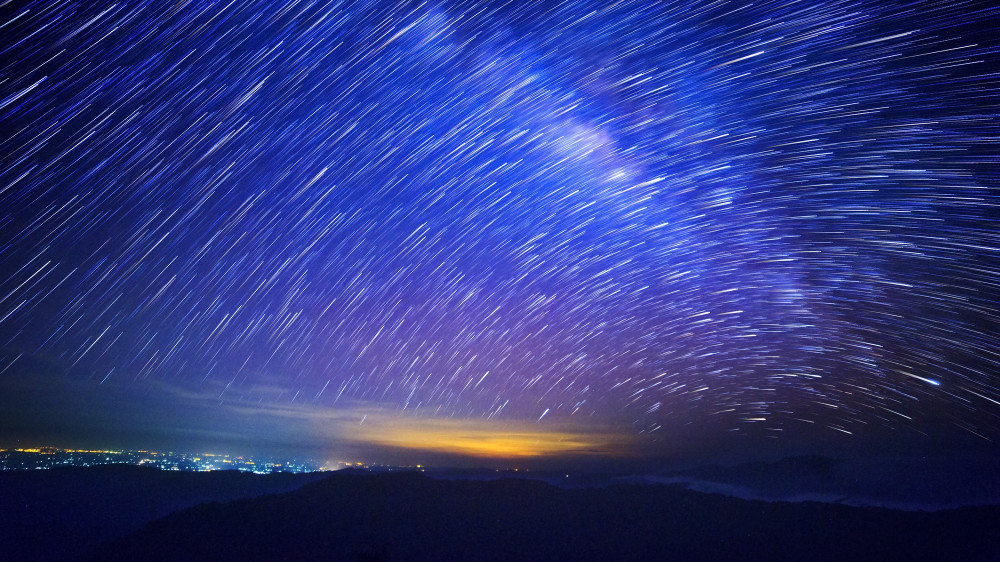
Astronomy enthusiasts can anticipate a spectacular display of the Perseid meteor shower in 2026, with peak activity expected on the night of August 12-13. This annual event, known for its bright and fast meteors, will be particularly favorable for viewing.
According to forecasts, the shower will be active from July 14 to August 24, 2026. The peak viewing window coincides with a new moon, significantly reducing natural light pollution. This celestial alignment is predicted to offer nearly ideal conditions, potentially allowing observers to witness up to 100 meteors per hour under clear skies.
Experts recommend observing after 11:00 p.m. local time, once the sky is sufficiently dark. For the best experience, viewers should seek open areas away from city lights, allow their eyes about 30 minutes to adjust to the darkness, and scan a wide portion of the sky rather than focusing on a single point. These recommendations align with advice from specialists at the V. G. Fesenkov Astrophysical Institute, who emphasize the benefits of observing far from light-polluted urban areas.
The Perseids occur annually as Earth passes through the dust trail left by Comet 109P/Swift-Tuttle. As tiny particles of cosmic dust enter the atmosphere, they burn up, creating the visible streaks of light commonly called shooting stars. The Perseids are notable for their fast meteors, often leaving long, luminous trails, and occasionally producing exceptionally bright flashes known as fireballs.
DistantNews Editorial
Originally published by Tengrinews. Summarized and contextualized by our editorial team with added local perspective. Read our editorial standards.
More Stories


From Our Blog

What Gets Lost (and Found) When News Is Translated

The Critical Role of Diaspora Media in Global News

What Travellers Should Know About Countries with Restricted Press

A Digital Nomad's Guide to Following Local News

How the Same Story Looks Different in Different Countries
