


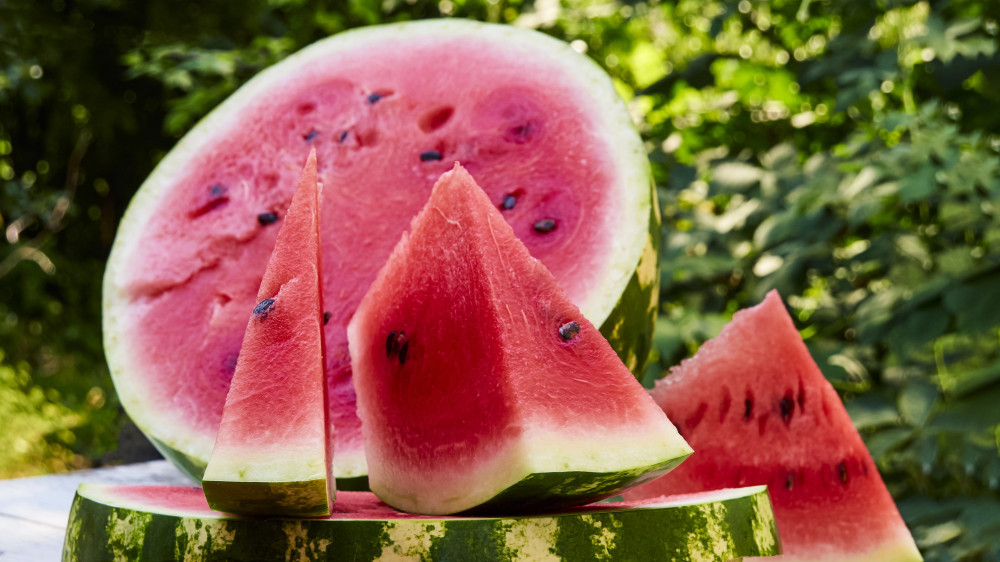
When It Is Safest to Eat Watermelons: Ministry of Agriculture Names Exact Dates
Translated from English, summarized and contextualized by DistantNews.
At a glance
News
Sources not specified
Context piece
- Kazakhstan's Vice Minister of Agriculture advised consuming watermelons and melons from late July to September for safety.
- This period ensures fruits ripen naturally without additives or growth stimulants.
- While imported fruits undergo phytosanitary control, residual chemicals remain a concern addressed with health services.
Kazakhstan's Vice Minister of Agriculture, Azat Sultanov, has advised consumers to eat watermelons and melons primarily between late July and September, citing safety concerns related to additives and growth stimulants. Sultanov explained that during this window, melons ripen naturally, reducing the need for artificial enhancements.
He noted that Kazakhstan cultivates various melon types, including under-film, mid-season, late-season, and year-round varieties, with the latter often being imported. Sultanov specifically recommended abstaining from early-season melons, particularly for children, until the peak ripening period. This advice aligns with previous warnings from health officials urging caution against purchasing early watermelons and melons, as they typically ripen between mid-July and September.
It is safer to consume melons during the period from late July to September. During this window, they ripen without the need for additives, fertilizers, or various growth stimulants. Therefore, it is better to abstain for now, especially when it comes to children. This is my expert opinion.
Sultanov emphasized that all imported fruits and vegetables undergo phytosanitary control to ensure they are free from pests and diseases. However, he acknowledged that residual chemical levels can pose a risk to consumers. The Ministry of Agriculture is collaborating with the Sanitary and Epidemiological Service to address these concerns. The appearance of "local watermelons" before the natural season begins should serve as a warning sign for consumers regarding potential artificial ripening methods.
From a phytosanitary standpoint, we consider them safe. However, residual chemical levels can be dangerous for citizens, and we are working closely with the Sanitary and Epidemiological Service on this matter.
DistantNews Editorial
Originally published by Tengrinews in English. Translated, summarized, and contextualized by our editorial team with added local perspective. Read our editorial standards.
More Stories


From Our Blog

What Gets Lost (and Found) When News Is Translated

The Critical Role of Diaspora Media in Global News

What Travellers Should Know About Countries with Restricted Press

A Digital Nomad's Guide to Following Local News

How the Same Story Looks Different in Different Countries
