


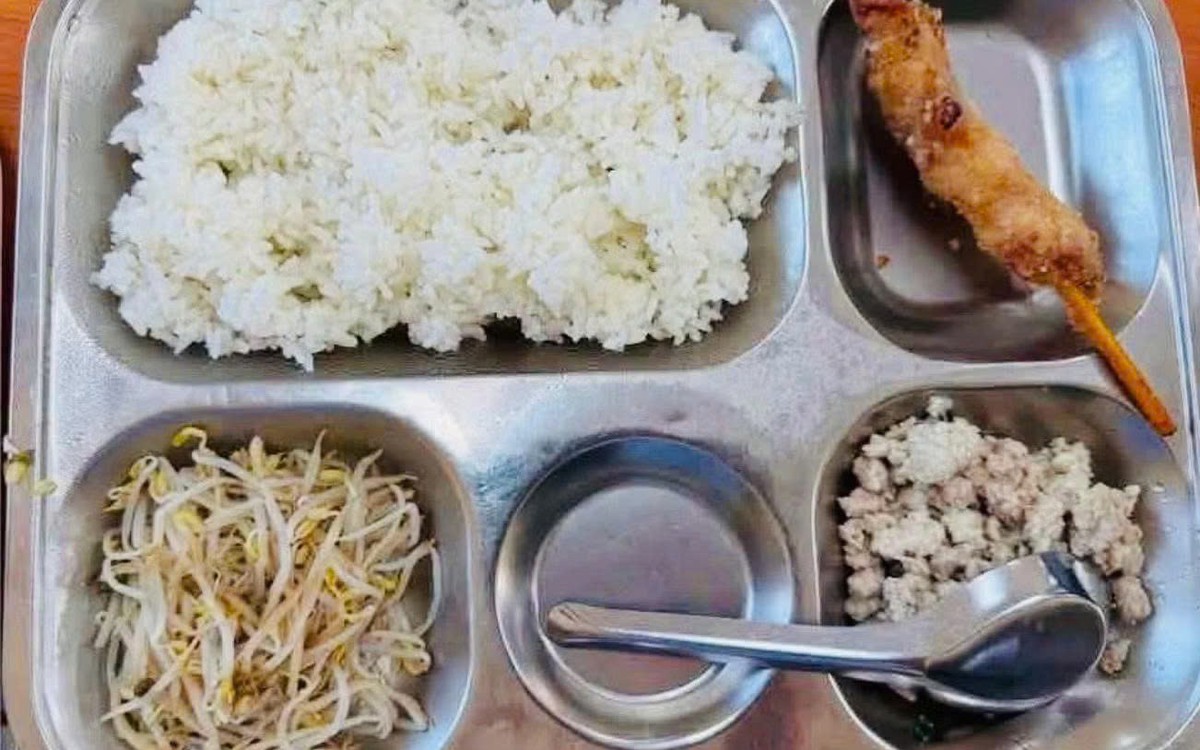

Which foods are high in salt but do not taste salty?
Translated from Vietnamese and summarized by DistantNews. Read the original for the full story.
At a glance
Explainer
Named sources
Context piece
- The World Health Organization recommends that adults consume less than 5 grams of salt, or about 2,000 milligrams of sodium, per day.
- Bread, processed meats, cheese, sauces, and instant noodles can contain significant sodium even when they do not taste strongly salty.
- Consumers should check sodium or salt labels, favor fresh foods, and avoid adding salt to food for children under 1.
A food does not need to taste salty to contain a large amount of salt. Sodium can be added during processing or preservation, and some foods use salt to balance other flavors, making its presence harder to notice.
The World Health Organization recommends that adults consume less than 5 grams of salt a day, equivalent to about 2,000 milligrams of sodium. Children generally need less, around 1 to 3 grams daily depending on age. Older people and those with heart, kidney, or metabolic conditions should manage their intake according to medical advice.
Common sources include bread, sweet baked goods, sausages, cold cuts, pork rolls, cheese, breakfast cereals, snacks, sauces, and packaged seasonings. About 100 grams of sweet sliced bread contains an average of 276 milligrams of sodium, equivalent to 0.7 grams of salt. Around 80 grams of pork roll can contain 775 milligrams of sodium, or 1.94 grams of salt.
Some less obvious figures are higher. About 15 grams of ordinary cheese may contain 165 milligrams of sodium, while 100 grams of tomato sauce can contain around 907 milligrams, equivalent to 2.3 grams of salt. A 100-gram packet of instant noodles may contain about 2,593 milligrams of sodium, or 6.4 grams of salt, exceeding the recommended daily limit for an adult.
Consumers should check nutrition panels for sodium or salt rather than relying on taste. The article recommends choosing fresh foods, limiting processed and packaged products, and reducing salt, fish sauce, soy sauce, and other salty seasonings when cooking. Children under 1 should not receive added salt or salty seasonings in their food.
About this summary
Originally published by Tuổi Trẻ in Vietnamese. Translated, summarized, and contextualized automatically by DistantNews, with a note on how the source frames the story. Not individually reviewed before publishing. How this works.
More Stories


From Our Blog

News in Translation: What Gets Lost, and How We Keep the Framing

Diaspora Media: How Communities Follow News From Home

Traveling Where the Press Is Not Free: How to Read the News There

The Digital Nomad's Guide to Local News

The Same Story, Different Countries: How Coverage Changes at the Border
