

Why Almaty’s Fountains Are More Than Just Decoration
Summarized and contextualized by DistantNews.
At a glance
In-depth
Sources not specified
Context piece
- Almaty, Kazakhstan, boasts over 120 fountains, earning it the title of the country's fountain capital.
- These fountains are integral to the city's environmental infrastructure, designed to cool streets and humidify the air during hot summers.
- Historical records trace the area's earliest water features back to 1878, predating modern urban fountains.
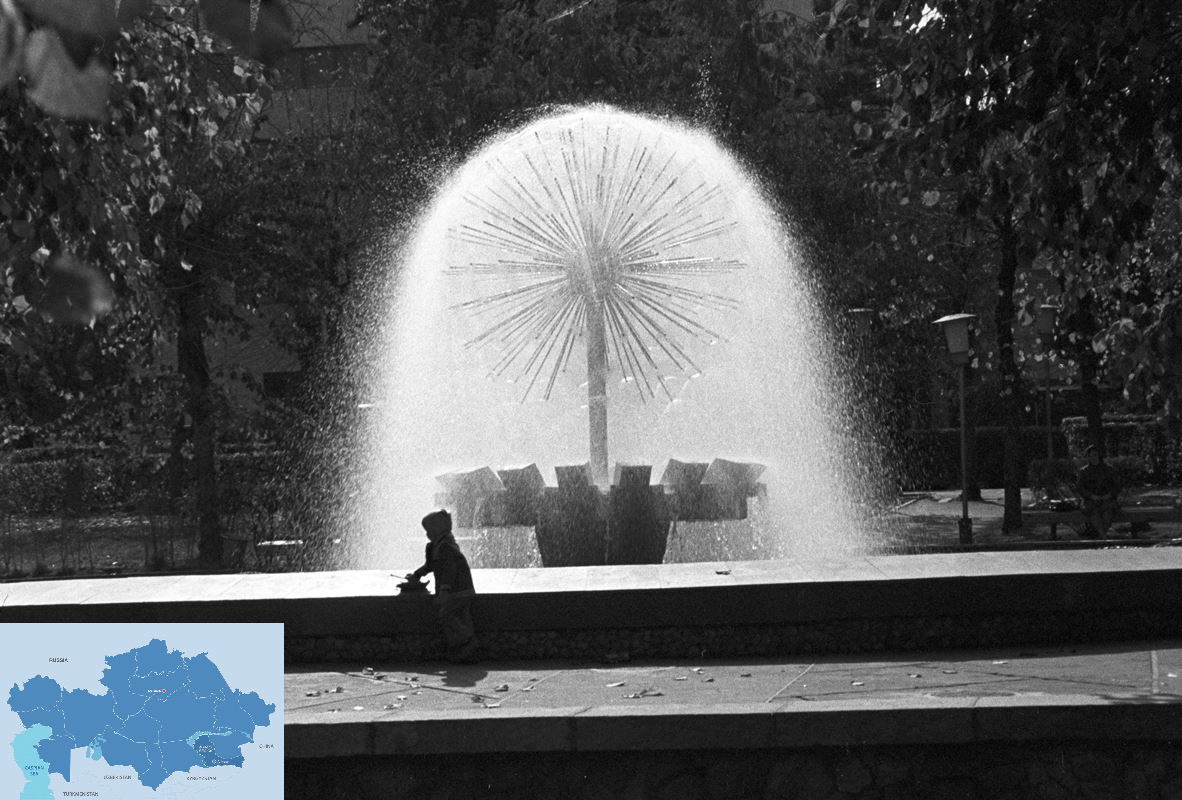
For generations, Almaty's fountains have been more than mere decoration; they are central to the city's identity, serving as gathering spots, playgrounds, and historical markers. With over 120 fountains and fountain complexes, Almaty stands as Kazakhstan's undisputed fountain capital, with 63 managed by the municipality and the rest privately owned.
Unlike in many other cities, Almaty's fountains were conceived as essential components of its environmental infrastructure. Situated against the Zailiysky Alatau mountains, the city endures long, hot, and dry summers. The fountains, alongside the famed network of mountain-fed irrigation canals known as 'aryks,' were strategically designed to combat the heat. They actively cool the streets, increase humidity, and enhance the comfort of public spaces, a crucial function long before air conditioning became widespread.
While guidebooks often cited 1948 as the year of Almaty's first fountain, local historian Alois Nazarov challenges this, suggesting it only marks the first constructed with durable materials. Archival documents reveal even earlier water features. In 1878, explorer Albert Regel documented a landscaped estate near the Butakovka River with a pond and two fountains. Though outside the city of Verny (now Almaty) and not strictly urban, these are the earliest recorded examples in the region.
Remnants of this history are visible in street names; present-day Tulebayev Street was briefly called Fontannaya (Fountain Street) in the early 20th century. This name referred not to decorative fountains but to one of the city's first wooden water pipelines, completed in 1901. Public water basins along this pipeline gushed water forcefully, leading residents to liken them to fountains. The era of true ornamental fountains began later, as the city evolved.
DistantNews Editorial
Originally published by The Astana Times. Summarized and contextualized by our editorial team with added local perspective. Read our editorial standards.
More Stories


From Our Blog

What Gets Lost (and Found) When News Is Translated

The Critical Role of Diaspora Media in Global News

What Travellers Should Know About Countries with Restricted Press

A Digital Nomad's Guide to Following Local News

How the Same Story Looks Different in Different Countries
