


Why Chinese audiences prefer Korean musicals over Western shows
Translated from English, summarized and contextualized by DistantNews.
At a glance
News
Sources not specified
Context piece
- Licensed South Korean musicals are gaining popularity in China, often resonating more with audiences than Western shows.
- Chinese audiences appreciate the tight logic, well-structured plots, and engaging nature of these adaptations.
- The cultural overlap between South Korea and China facilitates the easier acceptance of Korean musicals.
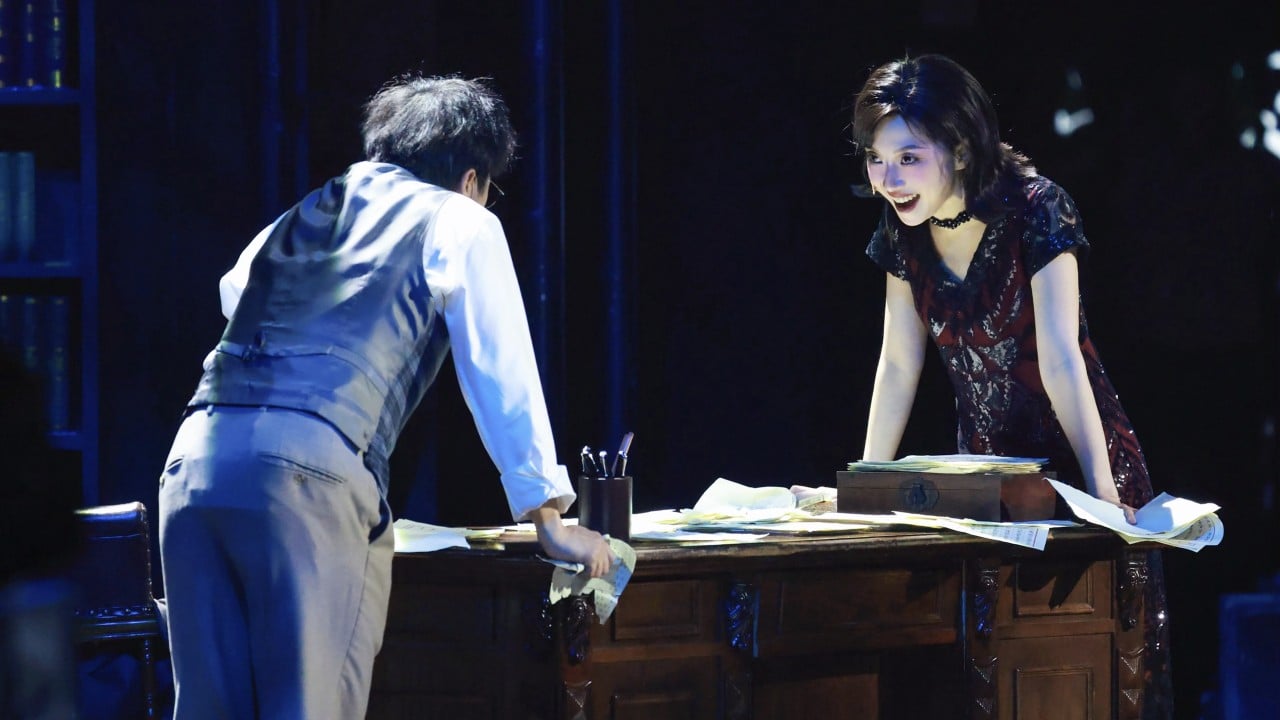
South Korean musicals are finding a strong following among Chinese audiences, increasingly captivating theatergoers over their Western counterparts. The success of licensed Korean productions like "Interview" in Shanghai highlights a growing trend where cultural similarities bridge the gap more effectively than Western offerings.
Tina Zhang, a 39-year-old theatergoer, was deeply immersed in the psychological thriller "Interview," only realizing afterward that it was a South Korean adaptation. She praised the production's "tight logic, well-structured and interwoven plot, and genuinely engaging" nature. This sentiment is echoed by many who find the Korean musicals to be both intellectually stimulating and emotionally resonant.
The logic was tight, the plot was well-structured and interwoven, and it was genuinely engaging.
Xu Jianing, a 23-year-old postgraduate student in Shanghai, described "Interview" as the best South Korean adaptation she has encountered. She lauded the vivid character portrayals and seamless connections within the narrative. "Every character is vividly portrayed, and everything connects seamlessly," Xu noted. "At the same time, while the main storyline stays intact, different actors still have room for interpretation, and there are intentional ambiguities that invite the audience to think for themselves."
The cultural proximity between China and South Korea appears to be a significant factor in this trend. This overlap allows Korean musicals to connect with Chinese audiences on a more familiar level, fostering a warmer reception compared to shows originating from Western cultures. The ability of these adaptations to maintain the core storyline while allowing for nuanced interpretations by actors further enhances their appeal.
Every character is vividly portrayed, and everything connects seamlessly. At the same time, while the main storyline stays intact, different actors still have room for interpretation, and there are intentional ambiguities that invite the audience to think for themselves.
DistantNews Editorial
Originally published by South China Morning Post in English. Translated, summarized, and contextualized by our editorial team with added local perspective. Read our editorial standards.
More Stories



From Our Blog

Countries Without a Free Press: What You Need to Know

What Press Freedom Means for the News You Read

What Gets Lost (and Found) When News Is Translated

The Critical Role of Diaspora Media in Global News

What Travellers Should Know About Countries with Restricted Press
