

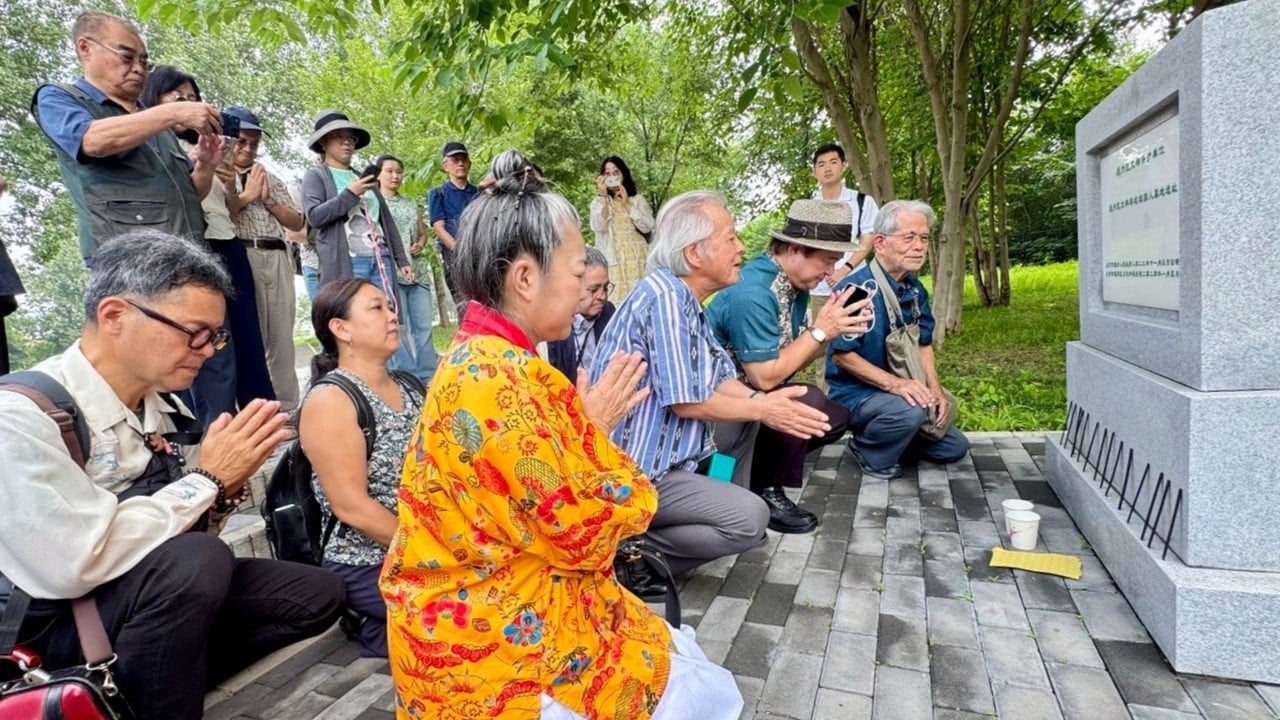
Why did an Okinawan delegation visit a Beijing cemetery amid China-Japan tensions?
Summarized and contextualized by DistantNews.
At a glance
News
Sources not specified
Context piece
- An Okinawan delegation visited a historic Ryukyu Kingdom cemetery in Beijing, highlighting historical ties between China and the former island nation.
- The visit, which occurred in June, underscores China's efforts to leverage these historical connections amid ongoing tensions with Japan.
- The cemetery honors centuries of relations between China and the islands that now constitute Okinawa.
A delegation from Japan's Okinawa prefecture visited a historic cemetery in Beijing in June, paying tribute to their ancestors and underscoring centuries of historical ties between the region and China. The visit, which was recently made public, occurred against a backdrop of increasing friction between Tokyo and Beijing.
The cemetery, located southeast of Beijing, serves as a resting place for individuals connected to the Ryukyu Kingdom, a historical maritime state that maintained tributary relations with China for over six centuries. This legacy is something China is increasingly utilizing to foster goodwill and as a potential counterweight in its diplomatic and political dealings with Japan.
While the exact composition and purpose of the delegation were not fully detailed, the act of visiting the Ryukyu Kingdom cemetery in China's capital signifies a deliberate acknowledgment of this shared history. It highlights a narrative that China can promote to emphasize cultural and historical connections, potentially influencing perceptions amid contemporary geopolitical challenges.
The timing of the visit, as reported by the Global Times, also draws attention. As China-Japan relations navigate complex issues, gestures that highlight historical linkages can serve strategic purposes. The Ryukyu Kingdom's historical relationship with China offers a narrative thread that Beijing can leverage in its broader engagement with regional and international partners.
DistantNews Editorial
Originally published by South China Morning Post. Summarized and contextualized by our editorial team with added local perspective. Read our editorial standards.
More Stories


From Our Blog

Countries Without a Free Press: What You Need to Know

What Press Freedom Means for the News You Read

What Gets Lost (and Found) When News Is Translated

The Critical Role of Diaspora Media in Global News

What Travellers Should Know About Countries with Restricted Press
