

African students turn to China amid tighter US visa rules and higher university costs
Summarized and contextualized by DistantNews.
At a glance
In-depth
Sources not specified
Context piece
- African students are increasingly choosing China for higher education due to stricter US visa rules and rising university costs.
- The shift is driven by factors including lower costs, good academic standards, and growing business ties between Africa and China.
- This trend reflects a broader reconsideration of US colleges as a gateway for international students amid changing immigration policies.
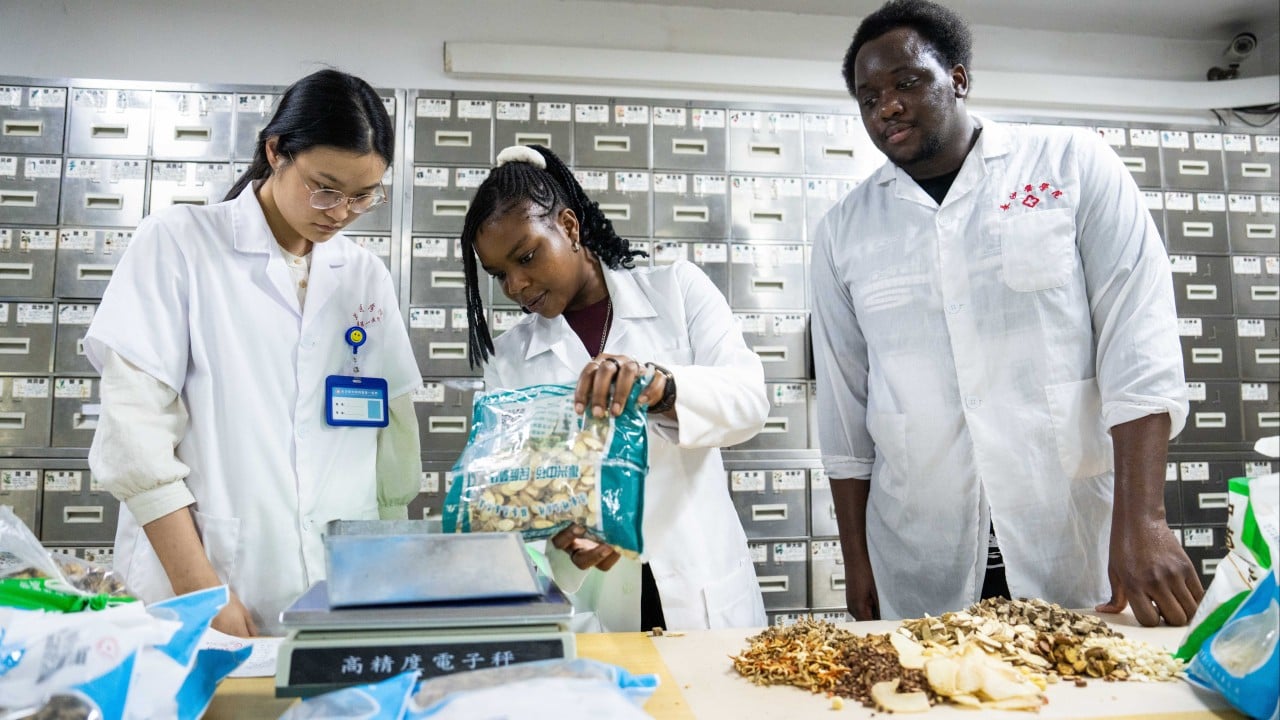
African students are increasingly turning to China for their higher education, a significant shift away from the United States, which was once seen as the primary gateway to world-class education and career opportunities. This change is largely attributed to tightening US visa conditions, increased immigration restrictions, and escalating university costs in the US.
For many African students, the US consulate's rejection of visa applications has become a common hurdle. Kunle Adeyemi, a 23-year-old Nigerian student, described his visa denial last year as a "blessing in disguise." He has now decided to pursue his studies in China, citing its affordability, good academic standards, and the burgeoning business relationship between Africa and China, which he believes will lead to more opportunities.
The trend reflects a growing sentiment among African students to reconsider their educational plans. President Donald Trump's second term, beginning in January 2025, has seen the implementation of a raft of anti-immigration policies, further complicating entry for international students. High-profile Immigration and Customs Enforcement (ICE) raids have also contributed to an atmosphere of uncertainty and concern.
China's appeal lies not only in its competitive tuition fees and academic quality but also in its expanding economic ties with Africa. As business between the two regions grows, students anticipate better career prospects upon graduation. This strategic pivot by African students highlights a global redistribution of educational destinations, influenced by geopolitical shifts and economic considerations.
I have decided to go to China instead for my studies. It is cheaper, the standards are good, and business between Africa and China is growing, which means more opportunities.
DistantNews Editorial
Originally published by South China Morning Post. Summarized and contextualized by our editorial team with added local perspective. Read our editorial standards.
More Stories


From Our Blog

Countries Without a Free Press: What You Need to Know

What Press Freedom Means for the News You Read

What Gets Lost (and Found) When News Is Translated

The Critical Role of Diaspora Media in Global News

What Travellers Should Know About Countries with Restricted Press
