

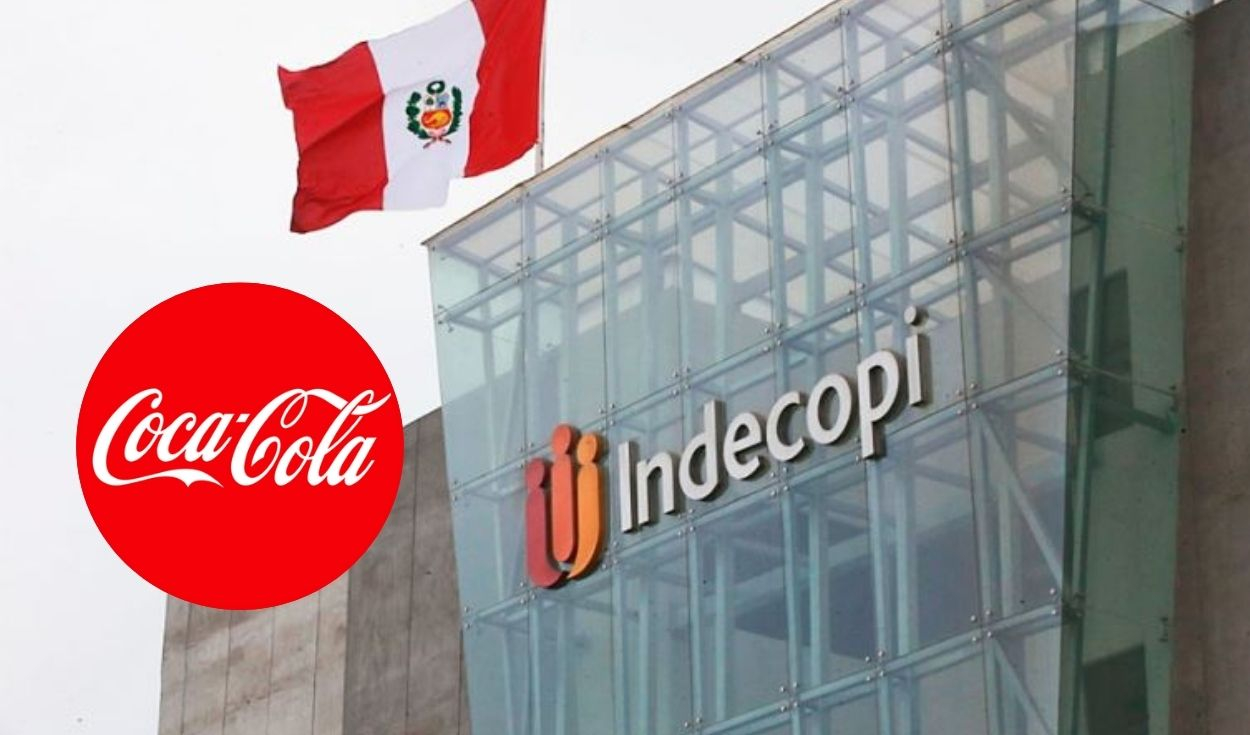
Why did Coca-Cola sue a Peruvian orchestra? The multinational's claim before Indecopi
Translated from Spanish, summarized and contextualized by DistantNews.
At a glance
News
Sources not specified
Under investigation
- Coca-Cola has filed a complaint with Peru's consumer protection agency, Indecopi, against a Peruvian cumbia orchestra.
- The multinational beverage company alleges the orchestra uses visual elements, including typography and a wavy stripe, that are too similar to its iconic brand.
- The orchestra argues its artistic proposal is distinct and poses no risk of commercial association with Coca-Cola, as their activities are in different sectors.
A legal dispute has emerged in Peru, with beverage giant Coca-Cola filing a complaint against a popular cumbia orchestra, Amaya Hermanos, at the National Institute for the Defense of Competition and the Protection of Intellectual Property (Indecopi). The core of the complaint lies in Coca-Cola's assertion that the orchestra employs visual elements, specifically a particular typography and a wavy stripe, that bear a significant resemblance to distinctive components of its globally recognized brand.
Coca-Cola contends that these graphic elements are part of its internationally protected brand family and are crucial to its corporate identity. The company fears that such similarities could create an improper association between the beverage brand and the musical group, potentially misleading consumers into believing there is a commercial link, endorsement, or official sponsorship. Coca-Cola also argues that allowing third-party use of these designs could dilute the distinctiveness of its intellectual property, built over decades across various markets.
However, the orchestra Amaya Hermanos vehemently denies Coca-Cola's claims. Its representatives assert that their activities are solely focused on entertainment, and the public clearly identifies the orchestra as a musical project, not as a business connected to the beverage industry. The defense maintains that the graphic elements used are part of their unique artistic and visual proposal and that there is no risk of consumer confusion, given that both entities operate in entirely different sectors.
Indecopi is now tasked with evaluating the arguments from both sides to determine whether the orchestra's use of these graphic elements constitutes an infringement of Coca-Cola's intellectual property rights or if they are indeed part of an independent artistic expression. The outcome of this case could set a precedent for how brand elements are protected and utilized within the artistic and commercial spheres in Peru.
DistantNews Editorial
Originally published by La República in Spanish. Translated, summarized, and contextualized by our editorial team with added local perspective. Read our editorial standards.
More Stories


From Our Blog

What Gets Lost (and Found) When News Is Translated

The Critical Role of Diaspora Media in Global News

What Travellers Should Know About Countries with Restricted Press

A Digital Nomad's Guide to Following Local News

How the Same Story Looks Different in Different Countries
