

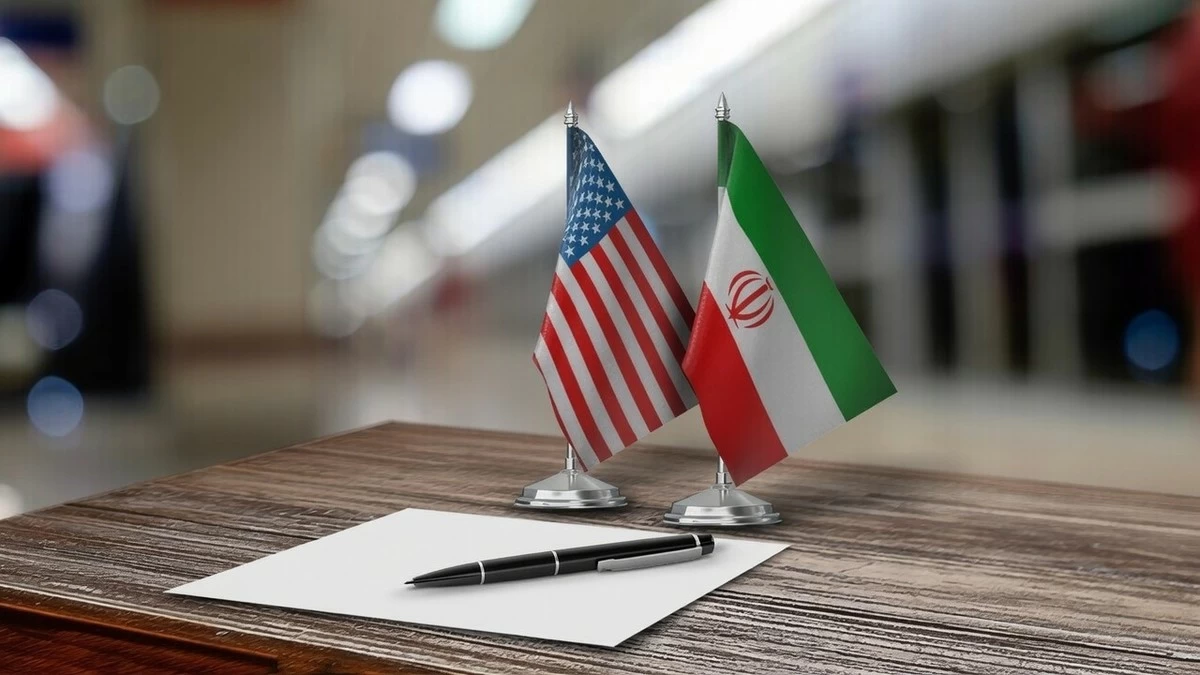

Why Do We Reject Hard Truths on Iran?
Translated from English, summarized and contextualized by DistantNews.
At a glance
Analysis
Named sources
Context piece
- The article argues that people often reject difficult truths, particularly in politics, because they are uncomfortable.
- It uses the example of Iran to illustrate how analysis is dismissed if it challenges desired outcomes, such as regime change.
- The author stresses the importance of strategic thinking, which involves confronting uncomfortable possibilities and preparing for risks rather than relying on wishful thinking.
People frequently reject unwelcome analysis not because it is factually incorrect, but because it compels them to confront possibilities they would rather avoid. This phenomenon, common in sports fandom where fans prefer reassurance over objective assessments of their team's weaknesses, is particularly consequential in politics. Unlike a game with a final whistle, political outcomes unfold over extended periods, demanding sustained strategic engagement.
People rarely reject analysis because it is wrong. They reject it because it forces them to confront possibilities they would rather avoid.
The ongoing debate surrounding Iran serves as a pertinent example. Many observers anticipated that international pressure would weaken, isolate, or even topple the Iranian regime. Instead, the focus has shifted towards potential U.S.-Iran understandings, economic rehabilitation, and the disquieting prospect of Gulf states indirectly funding a strengthened Iran, a development they had little hand in shaping. This shift necessitates a deeper, more critical analysis.
Asking uncomfortable questions is not an act of sympathy for Iran, nor a sign of pessimism. It is the minimum requirement of strategic thinking.
Engaging with uncomfortable questions about Iran is not an act of sympathy or pessimism, but a fundamental requirement of strategic thinking. Dismissing challenging analysis as mere bias or ignoring warnings until events become undeniable is a costly habit, especially in a volatile region like the Middle East. International politics does not reward wishful thinking; national interests are best protected by preparing for unpleasant scenarios before they materialize, which requires welcoming dialogue and respecting diverse viewpoints.
International politics does not reward wishful thinking. National interests are protected not by denying unpleasant scenarios or sugarcoating the truth, but by preparing for them before they arrive.
DistantNews Editorial
Originally published by Arab Times in English. Translated, summarized, and contextualized by our editorial team with added local perspective. Read our editorial standards.
More Stories
From Our Blog

What Gets Lost (and Found) When News Is Translated

The Critical Role of Diaspora Media in Global News

What Travellers Should Know About Countries with Restricted Press

A Digital Nomad's Guide to Following Local News

How the Same Story Looks Different in Different Countries
