

Why Is Japanese Denim So Expensive?
Translated from Malay, summarized and contextualized by DistantNews.
TLDR
- Japanese denim is highly prized for its premium quality, meticulous craftsmanship, and limited production, often costing between RM1,000 to RM4,000 per pair.
- Key factors contributing to its high price include the use of old shuttle looms, natural indigo dyeing techniques, and unique slubby textures that create a vintage aesthetic.
- The growing community of Japanese denim enthusiasts worldwide values the quality, heritage, and artistry over quantity, with brands like Pure Blue Jeans gaining popularity.
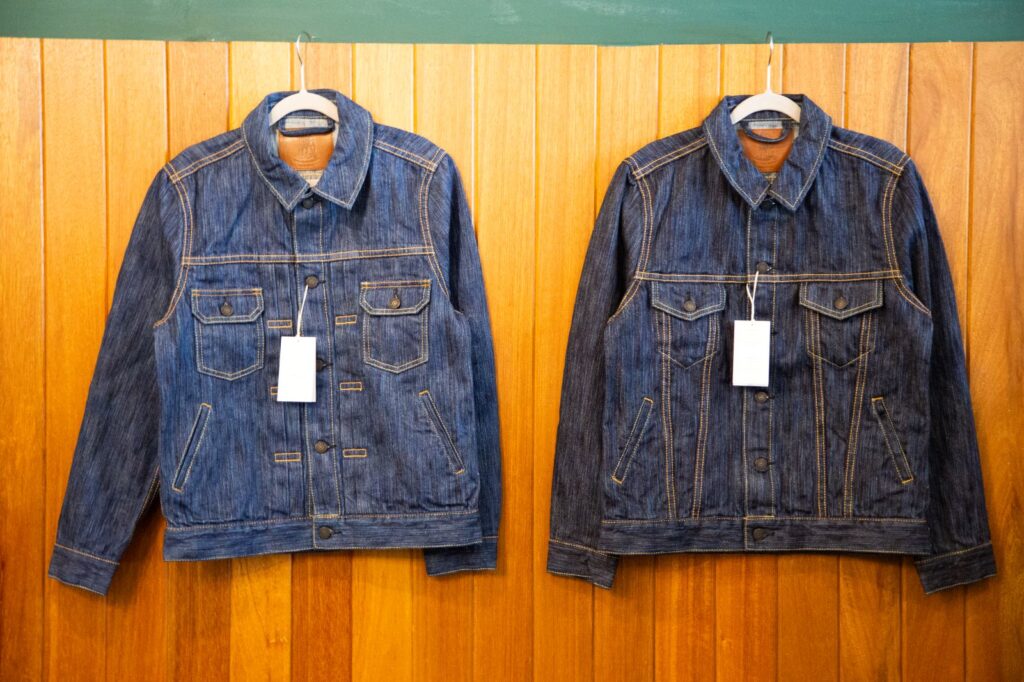
For denim aficionados, Japanese jeans represent the pinnacle of quality and craftsmanship, commanding prices that can range from RM1,000 to RM4,000. This exclusivity stems from a dedication to traditional methods and an unwavering commitment to detail, resulting in a product that is as much a work of art as it is a piece of clothing.
Japanese denim is premium quality because it is produced with meticulousness and high craftsmanship.
The production process itself is a testament to this dedication. With a daily output of only around 10 pairs, brands like Pure Blue Jeans (PBJ) utilize old shuttle looms, a method that yields a denser, thicker fabric with a durable, neat selvedge edge. Each pair requires approximately 2.7 meters of fabric, and these vintage machines can only process about 30 meters of cloth daily. This meticulous, time-consuming approach is a stark contrast to mass-produced denim.
Therefore, it is not surprising that production is very limited, especially since we use old machines.
Furthermore, the unique character of Japanese denim is enhanced by traditional indigo dyeing techniques. The deep, rich blue hues achieved through natural indigo not only possess a distinct depth but also age gracefully, developing a natural fade that reflects the wearer's lifestyle. This organic fading process imbues each pair of jeans with a unique patina, making them truly one-of-a-kind. The characteristic slubby, uneven texture of the fabric further contributes to its vintage appeal, a look that is difficult to replicate with modern manufacturing processes.
A pair of trousers requires 2.7 meters of fabric, and that machine can only sew 30 meters of fabric, equivalent to 10 pairs of trousers.
Beyond the technical aspects, Japanese denim has cultivated a passionate global community. Events and gatherings, attracting participants from around the world, celebrate the culture and lifestyle associated with wearing these high-quality jeans. Brands such as Samurai, Momotaro, Iron Heart, and PBJ are highly sought after, not just for their aesthetic but for the heritage and artistry woven into every thread. In the world of Japanese denim, true value is found not in mass production, but in the enduring quality, rich heritage, and artistic expression embodied in each meticulously crafted pair.
The use of old weaving machines or shuttle looms is one of the main factors that differentiate Japanese denim from modern products.
DistantNews Editorial
Originally published by Utusan Malaysia in Malay. Translated, summarized, and contextualized by our editorial team with added local perspective. Read our editorial standards.
More Stories

From Our Blog

What Gets Lost (and Found) When News Is Translated

The Critical Role of Diaspora Media in Global News

What Travellers Should Know About Countries with Restricted Press

A Digital Nomad's Guide to Following Local News

How the Same Story Looks Different in Different Countries
