

Why Many Latvian Biomethane Projects Fail Mid-Way Amid Energy Security Push
Translated from Latvian, summarized and contextualized by DistantNews.
At a glance
News
Sources not specified
Context piece
- Many biomethane projects in Latvia are failing to reach completion.
- The government has expanded state guarantee programs to improve business competitiveness, including support for biomethane production and storage.
- Rising natural gas prices and geopolitical instability highlight Latvia's need for energy independence and security, making biogas stations a potential solution.
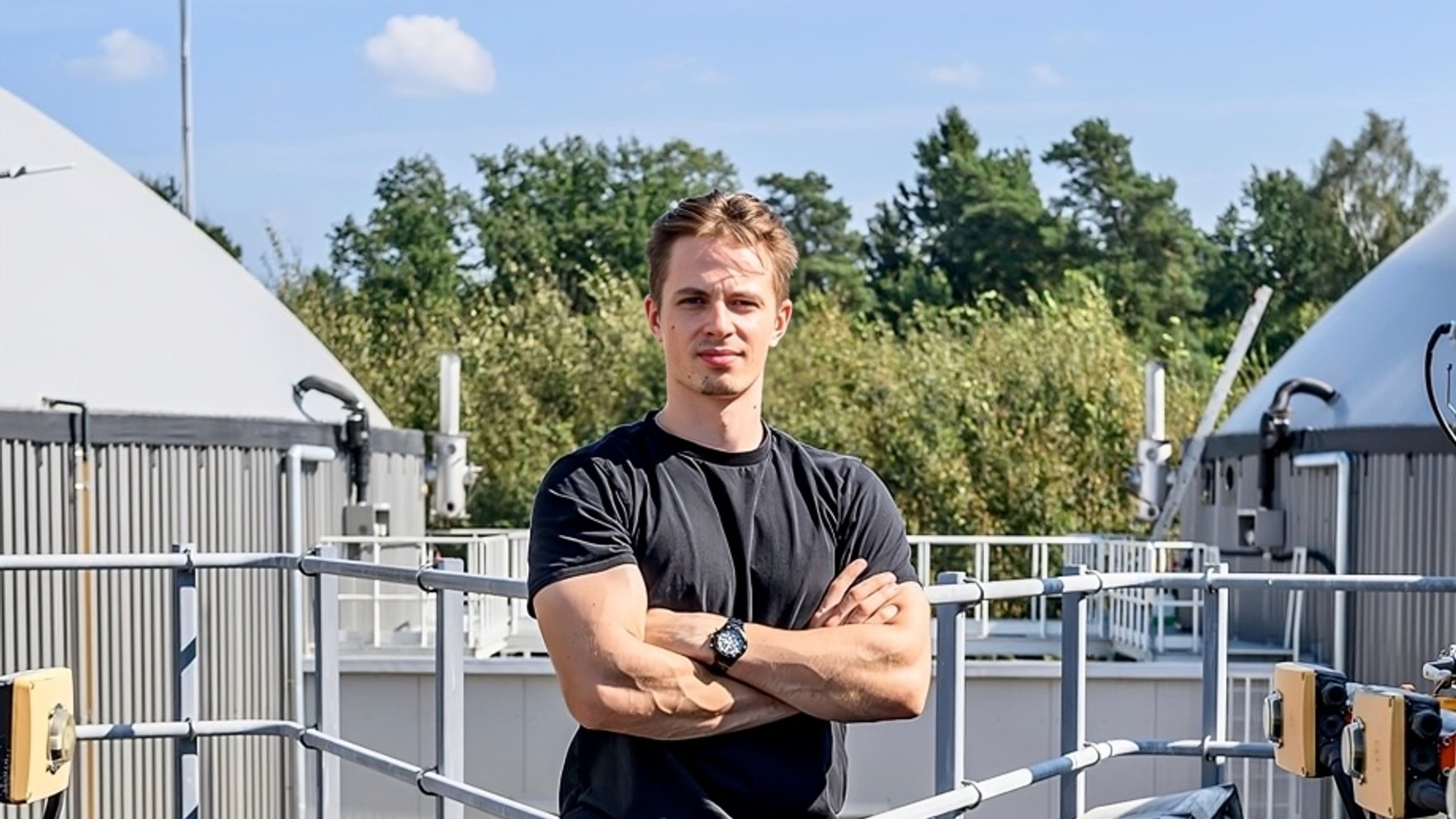
A significant number of biomethane projects in Latvia are reportedly faltering before completion, raising questions about the sector's viability. This comes as the government has moved to bolster business competitiveness by expanding state guarantee programs. These programs now include support for investments in biomethane production and storage facilities. The initiative aims to address challenges faced by companies in the renewable energy sector. Natural gas prices continue to climb, and the current geopolitical climate offers little hope for immediate price reductions. This situation intensifies concerns about Latvia's energy independence, long-term stability, and overall security. In response to these global natural gas market challenges, environmentally friendly alternatives like biogas stations are being promoted. These facilities offer a domestic and sustainable energy source, potentially reducing reliance on volatile international markets and contributing to Latvia's energy security goals.
DistantNews Editorial
Originally published by Delfi Latvia in Latvian. Translated, summarized, and contextualized by our editorial team with added local perspective. Read our editorial standards.
More Stories
From Our Blog

What Gets Lost (and Found) When News Is Translated

The Critical Role of Diaspora Media in Global News

What Travellers Should Know About Countries with Restricted Press

A Digital Nomad's Guide to Following Local News

How the Same Story Looks Different in Different Countries
