

Why Netanyahu is Framing Türkiye as a Political Threat
Translated from English, summarized and contextualized by DistantNews.
At a glance
Analysis
Sources not specified
Context piece
- Israel's recent actions, particularly strikes on Syria's Abu al-Duhur air base, are framed as part of a deliberate "politics of threat" ahead of upcoming elections.
- The strikes targeted a potential capability rather than an active military one, with Israel claiming Syria was preparing to allow Turkish troops, a claim Syria denies.
- Beyond electoral strategy, the article suggests Netanyahu's policy is driven by shifting regional power dynamics and Turkey's growing influence in the Middle East.
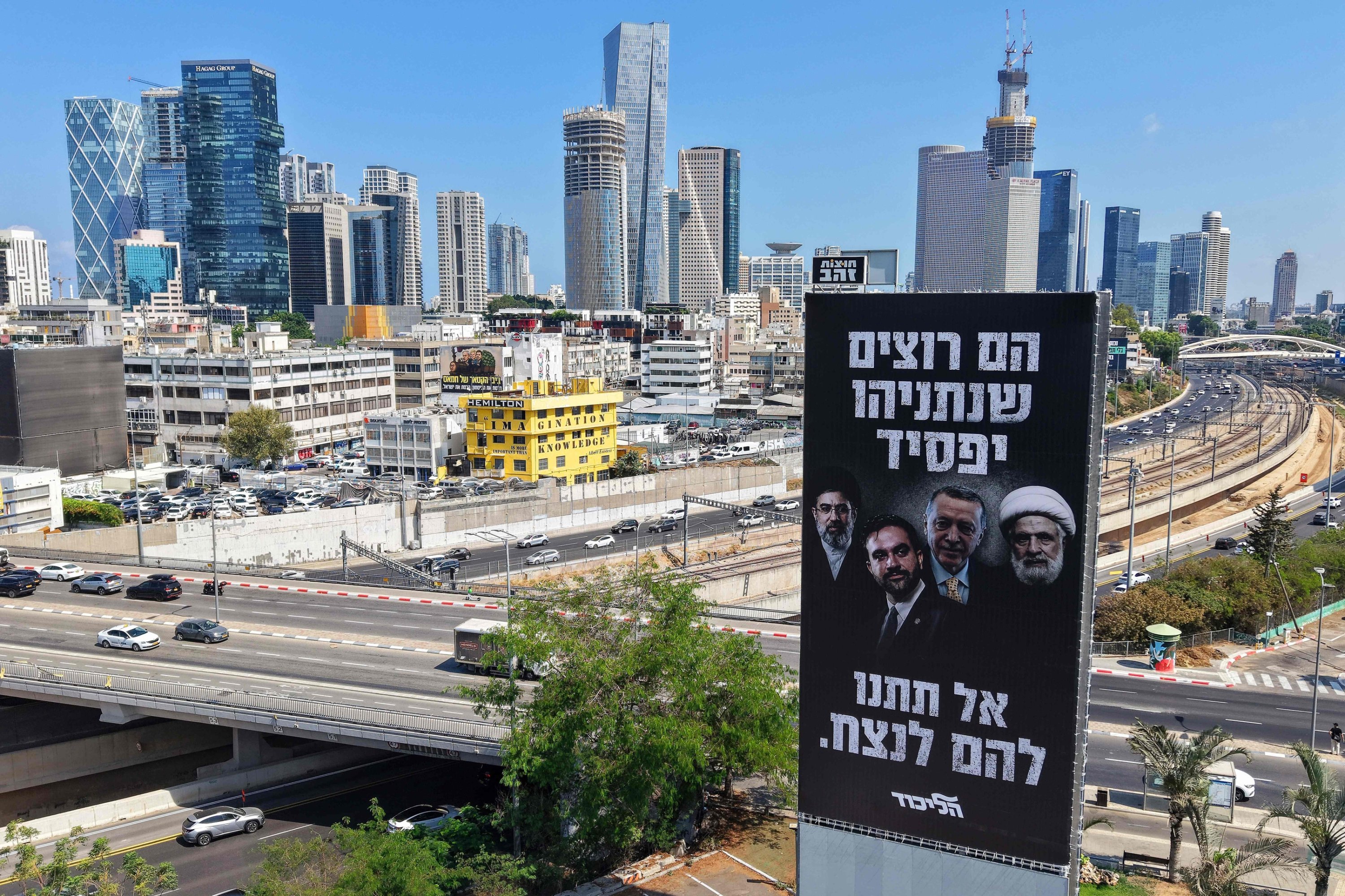
Israel's recent military actions, including strikes on Syria's Abu al-Duhur air base, are being interpreted as part of a calculated "politics of threat" strategy, particularly in the lead-up to the country's elections on October 27. While elections are a significant factor, the article posits that broader geopolitical shifts in the Middle East and Afro-Eurasia are also influencing Prime Minister Netanyahu's policies.
The attack is particularly significant because the base had been out of service for a considerable period. Israel was therefore not targeting an active military capability; rather, it was targeting a potential capability that could emerge in the future with Türkiye’s support.
The attack on Abu al-Duhur air base is significant because the facility had been out of service for some time. Israel's action, therefore, targeted a potential future capability rather than an existing military one. Israel alleged that Syria was preparing to host Turkish troops at the base, a claim vehemently denied by Damascus. Syria's Foreign Minister Asaad al-Shaibani stated the base was undergoing rehabilitation for the Syrian Air Force and had no plans for a permanent Turkish military presence.
Syria rejected this claim, while Syrian Foreign Minister Asaad al-Shaibani stated that Abu al-Duhur was being rehabilitated for the Syrian Air Force and that there were no plans to establish a permanent Turkish military base there.
Despite Syria's denials, the Netanyahu government's portrayal of Turkey's expanding influence in Syria as an unacceptable security threat is a key element. The article questions whether Israel's concern is solely about the current state of Abu al-Duhur or if it is more broadly focused on the emerging regional power structure where Turkey is playing an increasingly central role.
Nevertheless, the Netanyahu government’s portrayal of Türkiye’s growing presence in Syria as an unacceptable security threshold is highly significant.
Netanyahu faces a challenging domestic political landscape, with criticism mounting over the October 7 security failures and the Gaza war. Recent polls indicate a potential weakening of his Likud party, raising concerns about his political future. A loss of power could reignite his ongoing corruption trial and complicate his legal challenges. Furthermore, an international arrest warrant issued by the International Criminal Court (ICC) for alleged war crimes in Gaza, though rejected by Israel and the United States, remains a relevant foreign policy consideration.
Is Israel primarily concerned with what exists at Abu al-Duhur today, or with an emerging regional power and security architecture in which Türkiye is becoming increasingly central?
DistantNews Editorial
Originally published by Daily Sabah in English. Translated, summarized, and contextualized by our editorial team with added local perspective. Read our editorial standards.
More Stories


From Our Blog

What Gets Lost (and Found) When News Is Translated

The Critical Role of Diaspora Media in Global News

What Travellers Should Know About Countries with Restricted Press

A Digital Nomad's Guide to Following Local News

How the Same Story Looks Different in Different Countries
