


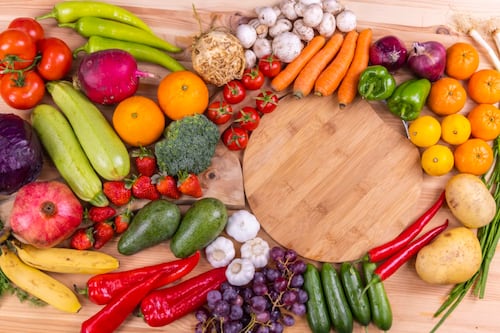
Why not disinfecting fruits and vegetables is dangerous
Translated from Spanish, summarized and contextualized by DistantNews.
At a glance
News
Sources not specified
Context piece
- Fruits and vegetables can harbor invisible, harmful bacteria, viruses, and parasites from farm to table.
- Contamination occurs at various stages, including harvest, handling, and transport, posing risks of gastrointestinal illnesses.
- Proper washing and disinfection are crucial to prevent infections, especially for vulnerable groups like children, the elderly, and pregnant women.
Consuming fruits and vegetables without proper washing or disinfection can be dangerous, as invisible bacteria, viruses, and parasites can pose significant health risks. Even produce that appears clean can harbor harmful microorganisms acquired throughout its journey from the field to your plate.
Produce travels through numerous stages, including harvesting, packing, transportation, and market handling, often coming into contact with insects, animals, and multiple human hands. During this process, fruits and vegetables can become contaminated with pathogens that lead to gastrointestinal illnesses if not thoroughly cleaned before consumption. The Food and Agriculture Organization of the United Nations (FAO) warns that some pathogens can survive on the surface long enough to cause illness.
Commonly affected items include leafy greens like lettuce, tomatoes, berries, and root vegetables. The resulting infections can manifest as stomach pain, vomiting, diarrhea, nausea, and fever, potentially requiring medical attention and a recovery period of several days or weeks. While anyone can be affected, the risk is heightened for children, older adults, and pregnant individuals.
The Spanish Agency for Food Safety and Nutrition (AESAN) emphasizes the importance of correct handling to minimize contamination risks. This includes selecting fresh-looking produce, keeping it separate from raw meats and cleaning products to prevent cross-contamination, and storing most items in the refrigerator. Some produce, like onions and citrus fruits, have different storage requirements.
DistantNews Editorial
Originally published by El Universal in Spanish. Translated, summarized, and contextualized by our editorial team with added local perspective. Read our editorial standards.
More Stories

From Our Blog

What Press Freedom Means for the News You Read

What Gets Lost (and Found) When News Is Translated

The Critical Role of Diaspora Media in Global News

What Travellers Should Know About Countries with Restricted Press

A Digital Nomad's Guide to Following Local News
