


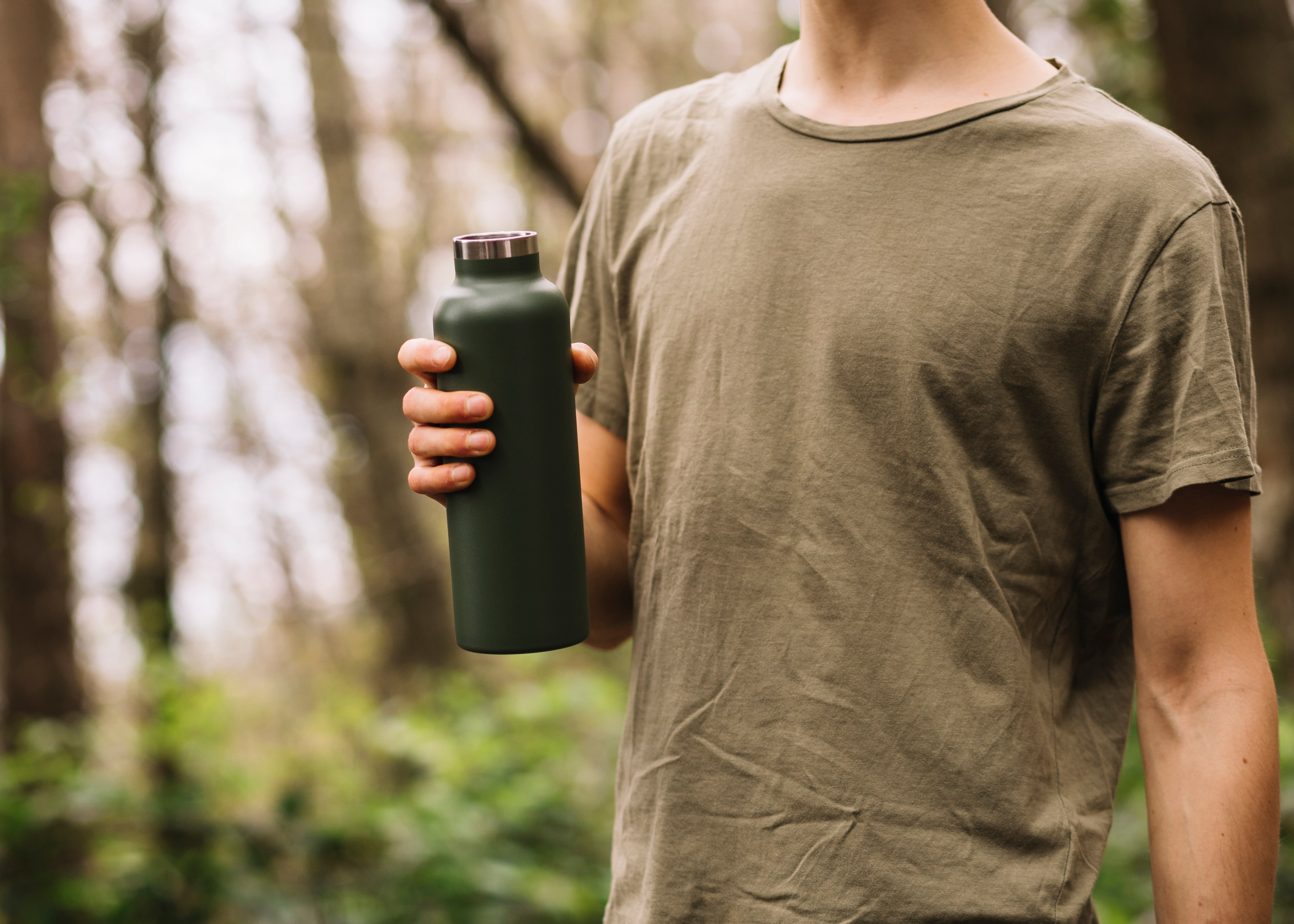
Why your reusable water bottle could be a breeding ground for bacteria
Translated from Spanish, summarized and contextualized by DistantNews.
TLDR
- Reusable water bottles, while promoting hydration and sustainability, can harbor significant bacterial growth if not cleaned properly.
- Superficial cleaning is insufficient; a scientific expert recommends frequent rinsing, daily washing with friction, and thorough cleaning of all parts, including the cap and edges.
- To minimize risks, users should avoid bottles with complex designs that hinder cleaning and consider using filtered water.
From the perspective of La Nación (Argentina):
una limpieza superficial con agua y detergente resulta insuficiente para garantizar la inocuidad del producto.
The widespread adoption of reusable water bottles, a commendable habit for staying hydrated and reducing plastic waste, carries an often-overlooked risk: the potential for significant bacterial contamination. As highlighted by scientific experts, the everyday use of these containers can inadvertently turn them into breeding grounds for microorganisms if proper hygiene practices are not followed.
La Nación emphasizes the findings of a scientific study that revealed alarming levels of bacteria in frequently used water bottles, with some accumulating up to 40,000 times more bacteria than a toilet seat. This phenomenon is attributed to the formation of 'biofilm,' a resilient layer of microorganisms that adheres to the bottle's surfaces. The expert's advice is clear: a simple rinse is not enough. Mechanical action, such as scrubbing with a brush, is essential to dislodge these bacterial colonies.
El estudio reveló una carga bacteriana sorpresivamente alta en los dispositivos de suministro de agua.
Our publication stresses the importance of a rigorous cleaning routine. This includes frequent refilling of the bottle, washing it at least once daily, and paying special attention to hard-to-reach areas like the cap and the bottle's edges. The expert specifically recommends using a brush and even suggests tools like a knife for detailed cleaning, underscoring the need for thoroughness.
algunas botellas de uso frecuente acumulan hasta 40.000 veces más bacterias que la superficie de un inodoro.
Furthermore, La Nación advises consumers to be mindful of bottle design, opting for simpler models that facilitate easier and more effective cleaning. The recommendation to use filtered water further minimizes potential contamination risks. Ultimately, while reusable bottles are a positive step for the environment, maintaining their hygiene is paramount to ensuring they contribute to health rather than posing a risk.
Necesitamos un cepillo, un cuchillo y darle particularmente a los bordes, no olvidarse de la tapa que es un lugar que puede acumular muchas bacterias
DistantNews Editorial
Originally published by La Nación in Spanish. Translated, summarized, and contextualized by our editorial team with added local perspective. Read our editorial standards.
More Stories


From Our Blog

What Gets Lost (and Found) When News Is Translated

The Critical Role of Diaspora Media in Global News

What Travellers Should Know About Countries with Restricted Press

A Digital Nomad's Guide to Following Local News

How the Same Story Looks Different in Different Countries
