

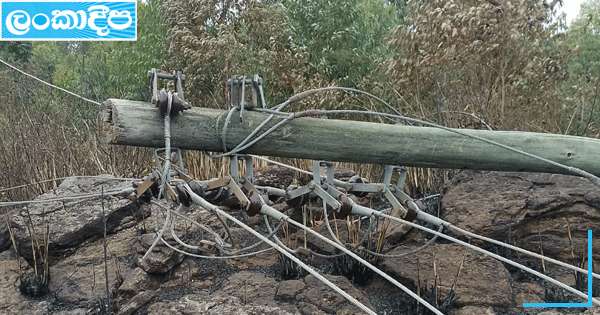
Wild elephants attack paddy storage
Translated from Sinhala, summarized and contextualized by DistantNews.
At a glance
News
Sources not specified
Outcome reported
- Wild elephants attacked a government paddy storage facility in Morawewa, Pankulama, Sri Lanka.
- The elephants broke into the facility and consumed approximately ten sacks of paddy.
- Authorities are relocating the remaining paddy to another storage facility in Trincomalee to prevent further loss.
Wild elephants raided a government paddy storage facility in Pankulama, Morawewa, Sri Lanka, prompting authorities to move the remaining grain to a safer location. The incident occurred at the state-run paddy storage, where a significant amount of paddy was being kept.
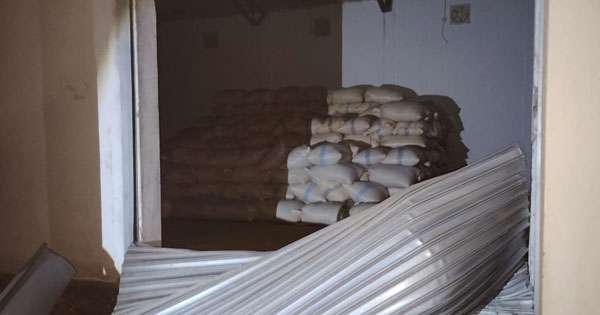
According to Ajith Shanta Kumara, the regional manager for the Paddy Marketing Board in the Eastern Province, the elephants broke down the doors of the storage facility. At the time of the attack, the facility held 33,500 kilograms of paddy. The elephants managed to consume about ten sacks of the stored grain before being deterred.
When the wild elephant attack occurred, there were 33,500 kilograms of paddy stored in this warehouse, and the elephants that broke down the doors ate about ten sacks of paddy.
To protect the rest of the paddy stock from further attacks by wild elephants, the Paddy Marketing Board decided to transfer the remaining quantity to a different storage facility located in Trincomalee. This measure is considered a necessary security step to prevent additional losses.
The incident highlights the ongoing challenges faced by communities in Sri Lanka where human and wildlife habitats overlap, leading to conflicts over resources. The paddy storage facility's location appears to be in an area prone to such encounters, necessitating protective measures for agricultural produce.
As a protective measure to save the remaining paddy stock from wild elephants, the stock had to be moved to another warehouse.
DistantNews Editorial
Originally published by Lankadeepa in Sinhala. Translated, summarized, and contextualized by our editorial team with added local perspective. Read our editorial standards.
More Stories


From Our Blog

What Gets Lost (and Found) When News Is Translated

The Critical Role of Diaspora Media in Global News

What Travellers Should Know About Countries with Restricted Press

A Digital Nomad's Guide to Following Local News

How the Same Story Looks Different in Different Countries
