

Will Philippine Sea be the main battlefield for PLA carriers in a Taiwan war?
Summarized and contextualized by DistantNews.
At a glance
Analysis
Named sources
Context piece
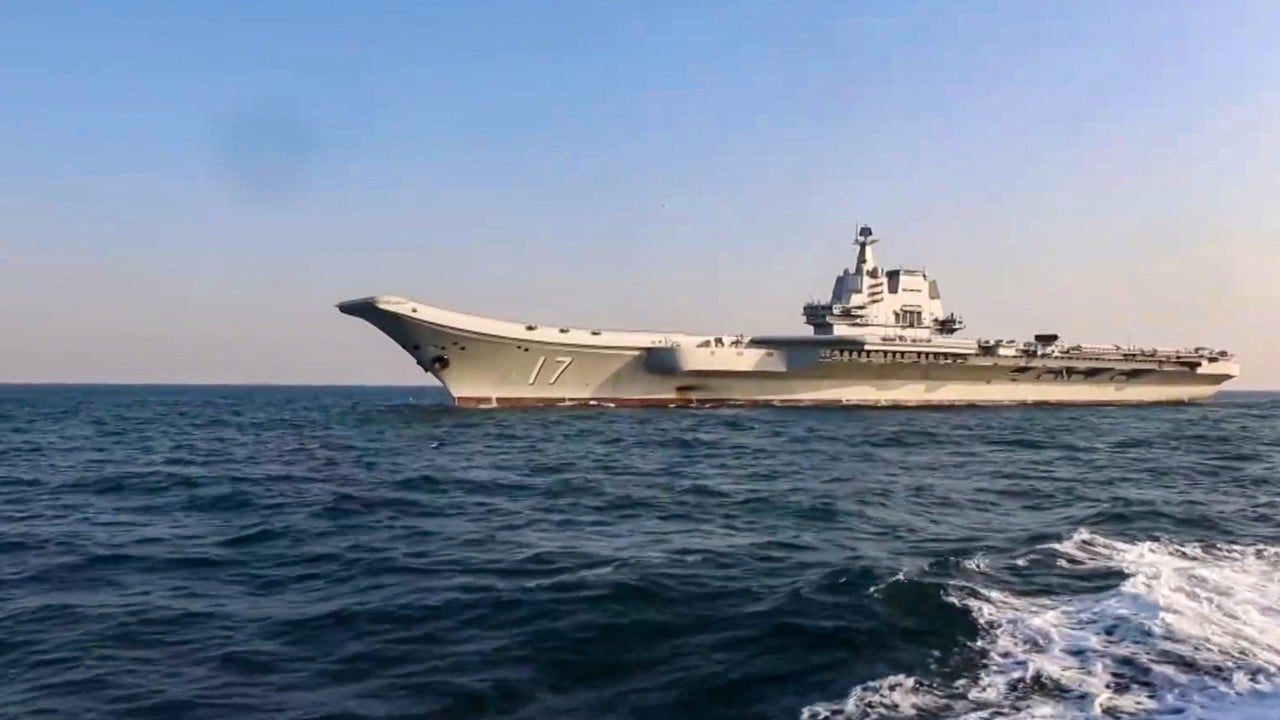
- The Philippine Sea could become a critical battleground for Chinese People's Liberation Army Navy aircraft carriers in a potential conflict over Taiwan.
- Operating near Taiwan's shores may be too risky for carriers due to land-based missile networks.
- Deploying carriers in the Philippine Sea would allow China to intercept enemy ships and deter foreign maritime forces from entering the region.
The Philippine Sea, traditionally viewed as a gateway for US and allied forces to defend Taiwan, may instead become a crucial battleground in a war between China and Taiwan.
Operating naval carriers close to Taiwan's shores could present significant risks due to the presence of land-based missile networks in Northeast Asia. Michael Bosack, director of the Parley Policy Initiative, suggests the Philippine Sea would be a "decisive location for carrier operations." He explained that this positioning would maximize the carriers' utility and capabilities in shaping the broader maritime battlespace.
By positioning carrier groups in the Philippine Sea, China could effectively establish a regional buffer. This strategy would aim to frustrate foreign maritime forces before they can even engage in combat. Bosack noted that this deployment would enable China not only to intercept enemy ships but also to deter potential adversaries from embarking on the long voyage towards Taiwan.
This strategic shift highlights the evolving naval warfare considerations in the region, where the vast expanse of the Philippine Sea could play a pivotal role in controlling access and projecting power in a potential cross-Strait conflict.
There, their utility and capabilities can be maximised in shaping the wider maritime battlespace. This supports the establishment of a regional buffer, frustrating foreign maritime forces before they can even enter the fray.
DistantNews Editorial
Originally published by South China Morning Post. Summarized and contextualized by our editorial team with added local perspective. Read our editorial standards.
More Stories
From Our Blog

Countries Without a Free Press: What You Need to Know

What Press Freedom Means for the News You Read

What Gets Lost (and Found) When News Is Translated

The Critical Role of Diaspora Media in Global News

What Travellers Should Know About Countries with Restricted Press
