

Will Taiwan’s food safety scandal wreck the DPP’s local election hopes?
Summarized and contextualized by DistantNews.
At a glance
News
Sources not specified
New plan
- Taiwan's ruling Democratic Progressive Party (DPP) faces political fallout from a major food safety scandal involving contaminated soybean oil.
- The scandal, involving excessive levels of the carcinogen benzo[a]pyrene (BaP), has provided ammunition for the opposition ahead of local elections.
- The manufacturer, Central Union Oil Corporation, delayed notifying regulators for weeks after the contamination was discovered by a downstream food company.
Taiwan's largest food safety scandal in years has become a significant political liability for the ruling Democratic Progressive Party (DPP). The controversy provides the opposition with valuable ammunition as the island heads into local elections in November.
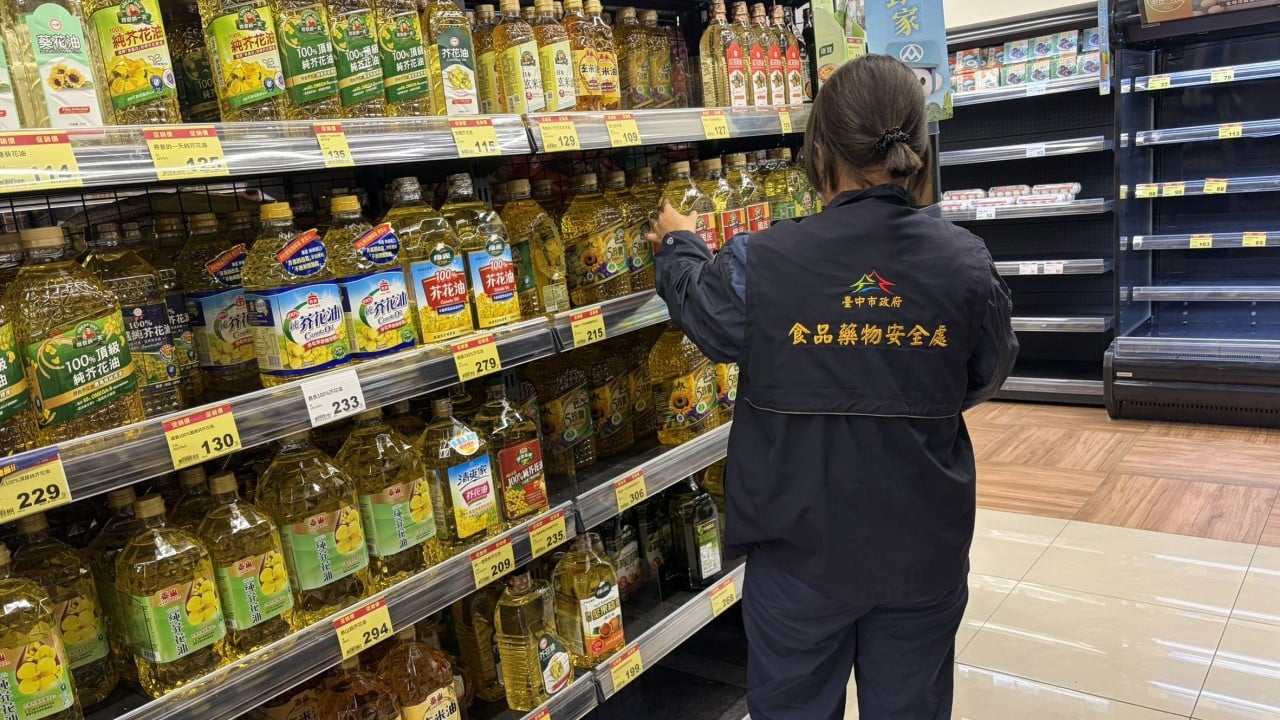
The current crisis centers on soybean salad oil produced by Central Union Oil Corporation. Food authorities discovered the oil contained excessive levels of benzo[a]pyrene (BaP), a substance classified as a carcinogen by the International Agency for Research on Cancer. Between April and June, the Taichung-based manufacturer produced approximately 28,992 tonnes of the contaminated oil across 30 batches, supplying it to three of Taiwan's largest food companies: Fwusow Industry, Formosa Oilseed Processing, and Taisun Enterprise.
The contamination was first detected by Namchow Group, a downstream food producer, during routine testing on May 13. Central Union was notified on June 11 but did not inform regulators until June 30. The government waited until July 3 to officially announce the problem and initiate recall measures. This incident echoes a similar edible oil scandal in 2014, when hundreds of tons of illegally processed waste and animal feed oil were sold.
DistantNews Editorial
Originally published by South China Morning Post. Summarized and contextualized by our editorial team with added local perspective. Read our editorial standards.
More Stories
From Our Blog

Countries Without a Free Press: What You Need to Know

What Press Freedom Means for the News You Read

What Gets Lost (and Found) When News Is Translated

The Critical Role of Diaspora Media in Global News

What Travellers Should Know About Countries with Restricted Press
