


With no bodies found, flood-hit families begin last rites for missing loved ones
Summarized by DistantNews. Read the original for the full story.
At a glance
In-depth
Named sources
Ongoing story
- Families in Paharebesi, Nepal, are preparing funeral rites for relatives missing since floods swept through the village eight days ago.
- Floodwaters destroyed 49 homes, and local residents say 54 people from Paharebesi remain missing, with the broader total possibly exceeding 70.
- Displacement, a lack of ritual space and a shortage of priests are making mourning difficult.
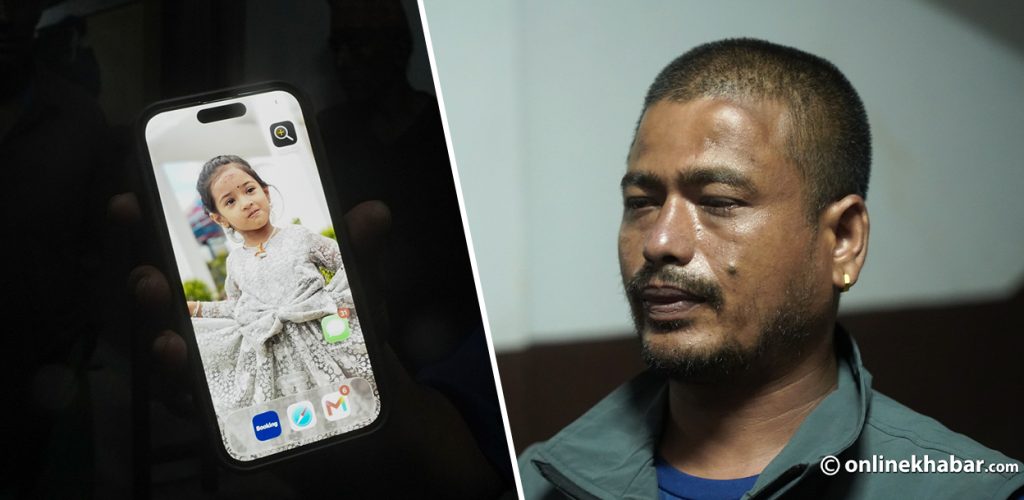
After eight days of watching the roads for news, families in Nepal’s flood-hit Paharebesi village are preparing to perform funeral rites for relatives who remain missing.
Search-team updates repeatedly offered a brief glimmer of hope, but seven nights passed without news. Residents now say those still out of contact are unlikely to return. Many are preparing symbolic effigies from kusha grass before beginning the mourning period.
Today marks eight days. After discussions among neighbours and community members, we have concluded that those who remain out of contact are unlikely to return, and we have begun preparations for the funeral rites.
Ramchandra Thapa Magar of Paharebesi said many bodies had been recovered along the banks of the Koshi River. Residents could identify only one of them, and that body has already been cremated. The whereabouts of the others remain unknown.
Those who believe their relatives will no longer be found have started the necessary procedures.
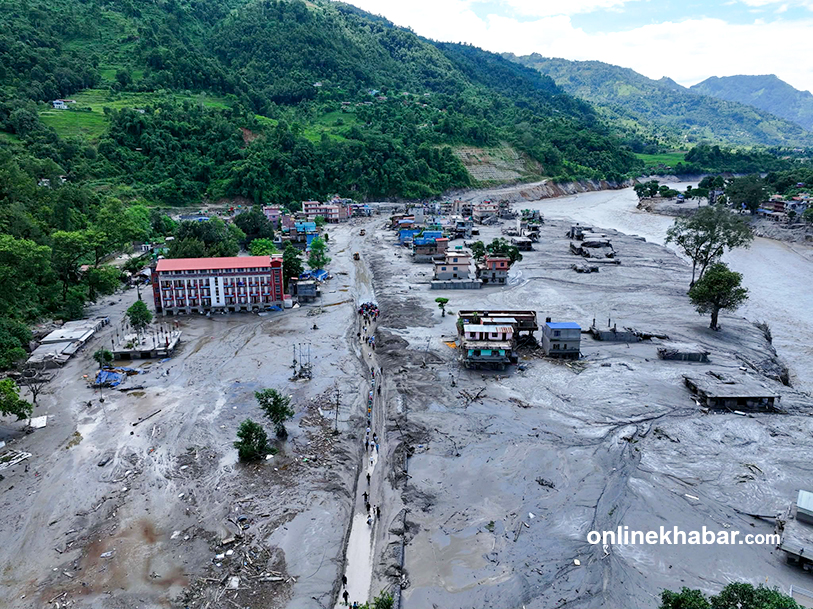
The floods swept away 49 houses in Ward No. 5 of Uttargaya Rural Municipality, leaving parts of homes in ruins. More than 400 people are estimated to have lived in the village, but the number caught in the floods has not been confirmed. Information gathered by residents indicates that 54 people from Paharebesi alone are missing, while the total could exceed 70 when people from other areas are included.
Families face further difficulties as they try to observe mourning rituals. The old settlement has little space, and there are not enough priests. Displaced residents now live in camps in Majhgaun and Kuwapani, with about 50 people in the lower camp and around 25 in Kuwapani. Some families have gone to relatives’ homes or travelled to Kathmandu because the camps cannot provide separate spaces for funeral rites. The problem is particularly severe for families who lost several members.
Almost nothing remains of the old settlement. It is not possible for everyone to stay together while observing the mourning rituals.
About this summary
Originally published by OnlineKhabar English. Summarized and contextualized automatically by DistantNews, with a note on how the source frames the story. Not individually reviewed before publishing. How this works.
More Stories

From Our Blog

News in Translation: What Gets Lost, and How We Keep the Framing

Diaspora Media: How Communities Abroad Follow Home

Traveling Where the Press Is Not Free: How to Read the News There

The Digital Nomad's Guide to Local News

The Same Story, Different Countries: How Coverage Changes at the Border
