


With trickle-down not enough, Argentina needs production to grow
Translated from Spanish, summarized and contextualized by DistantNews.
At a glance
Analysis
Sources not specified
Context piece
- Argentina's Central Bank Vice President Vladimir Werning highlighted a solid macroeconomic diagnosis including fiscal surplus and falling inflation.
- The bank anticipates economic recovery will spread through sectors like agriculture, energy, and mining, which require inputs and services, creating jobs.
- However, the article questions the sufficiency of the "trickle-down" theory, noting that while some sectors boom, others like manufacturing and regional economies lag, suggesting a need for active policies beyond relying on natural resource-driven growth.
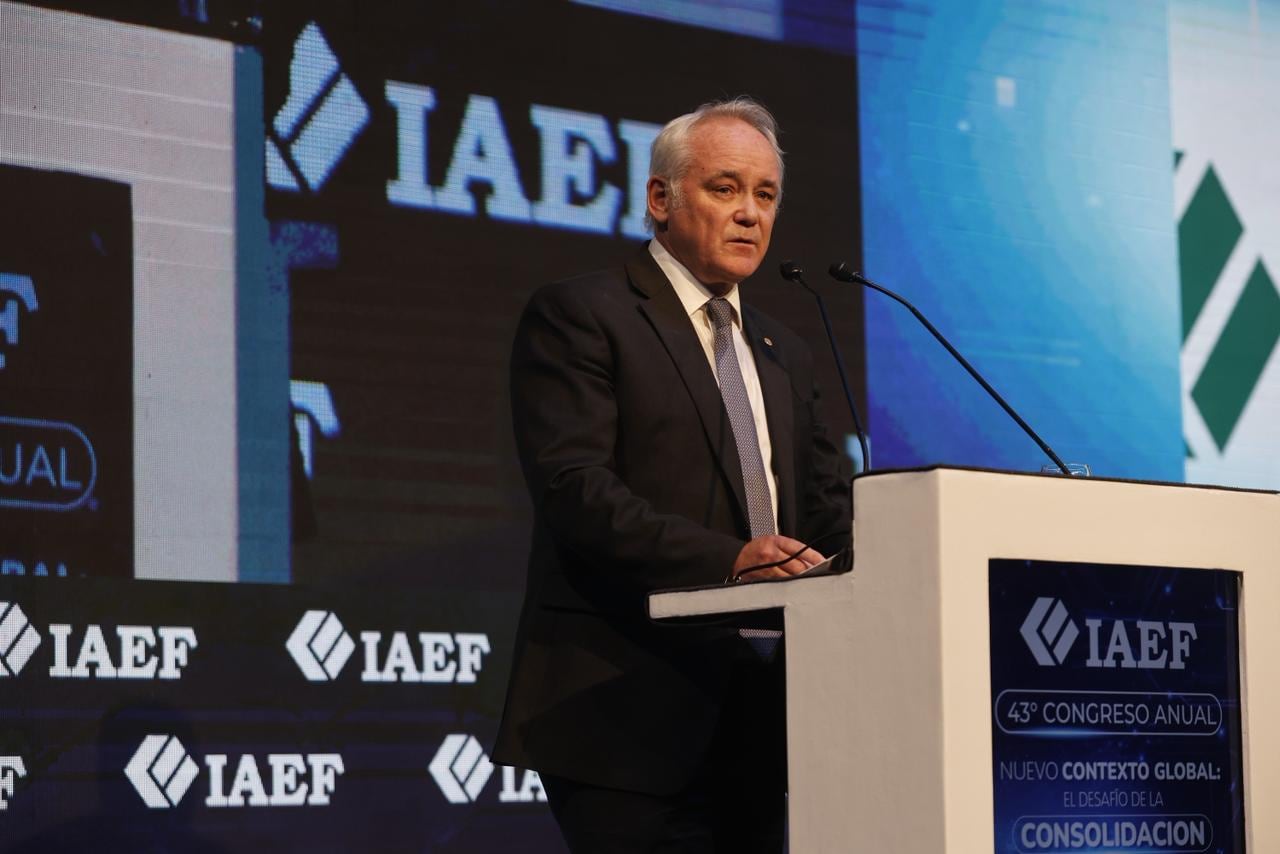
Argentina's Central Bank (BCRA) is banking on a "trickle-down" effect to broaden economic recovery, according to Vice President Vladimir Werning. In a recent address, Werning presented a positive macroeconomic picture, citing a fiscal surplus, declining inflation, and accumulating reserves. The BCRA believes that growth in key sectors such as agriculture, energy, and mining will stimulate other areas by demanding more inputs, infrastructure, and services, ultimately leading to job creation.
This reliance on the "trickle-down" theory, which posits that growth in dynamic sectors benefits the entire economy, has historical precedents. It was a cornerstone of economic policy for leaders like Ronald Reagan and Margaret Thatcher, and saw application in Latin America during the 1990s. However, the article points out that while this approach can stabilize an economy initially, it has often led to social fragmentation and has proven insufficient as a standalone policy.
The current economic landscape in Argentina in 2026 shows significant sectoral heterogeneity. While sectors like agriculture, energy, and mining are growing at double or triple the projected national GDP growth of 3.5%, manufacturing, commerce, and construction are showing much more modest performance, with some even contracting. This disparity highlights a growth model prioritizing capital-intensive, resource-rich sectors with limited capacity to generate formal urban employment in the short to medium term.
The article argues that the "trickle-down" effect's reach and speed vary greatly depending on the region and its productive profile. A lithium mine in Jujuy, for instance, does not generate the same spillover effects as an industrial plant in Greater Buenos Aires or a winery in Mendoza. As the stabilization program solidifies its achievements, the real economy cannot be left solely to the timing of these effects. The piece suggests that many industrial SMEs are operating below capacity, viable projects remain uninitiated, and regional value chains require active policies for market access, logistics, and tax simplification to foster broader, more equitable growth.
DistantNews Editorial
Originally published by La Nación in Spanish. Translated, summarized, and contextualized by our editorial team with added local perspective. Read our editorial standards.
More Stories


From Our Blog

What Gets Lost (and Found) When News Is Translated

The Critical Role of Diaspora Media in Global News

What Travellers Should Know About Countries with Restricted Press

A Digital Nomad's Guide to Following Local News

How the Same Story Looks Different in Different Countries
