

Argentina sets new oil production record, driven by Vaca Muerta
Translated from Spanish, summarized and contextualized by DistantNews.
At a glance
News
Official statement
New plan
- Argentina's oil production surpassed 900,000 barrels per day in May, a new national record driven by the Vaca Muerta shale formation.
- Vaca Muerta now accounts for 69% of the country's oil output, with production increasing 76% over the past five years due to shale development.
- May also saw record crude oil exports, contributing significantly to Argentina's energy sector revenue amid favorable international prices.
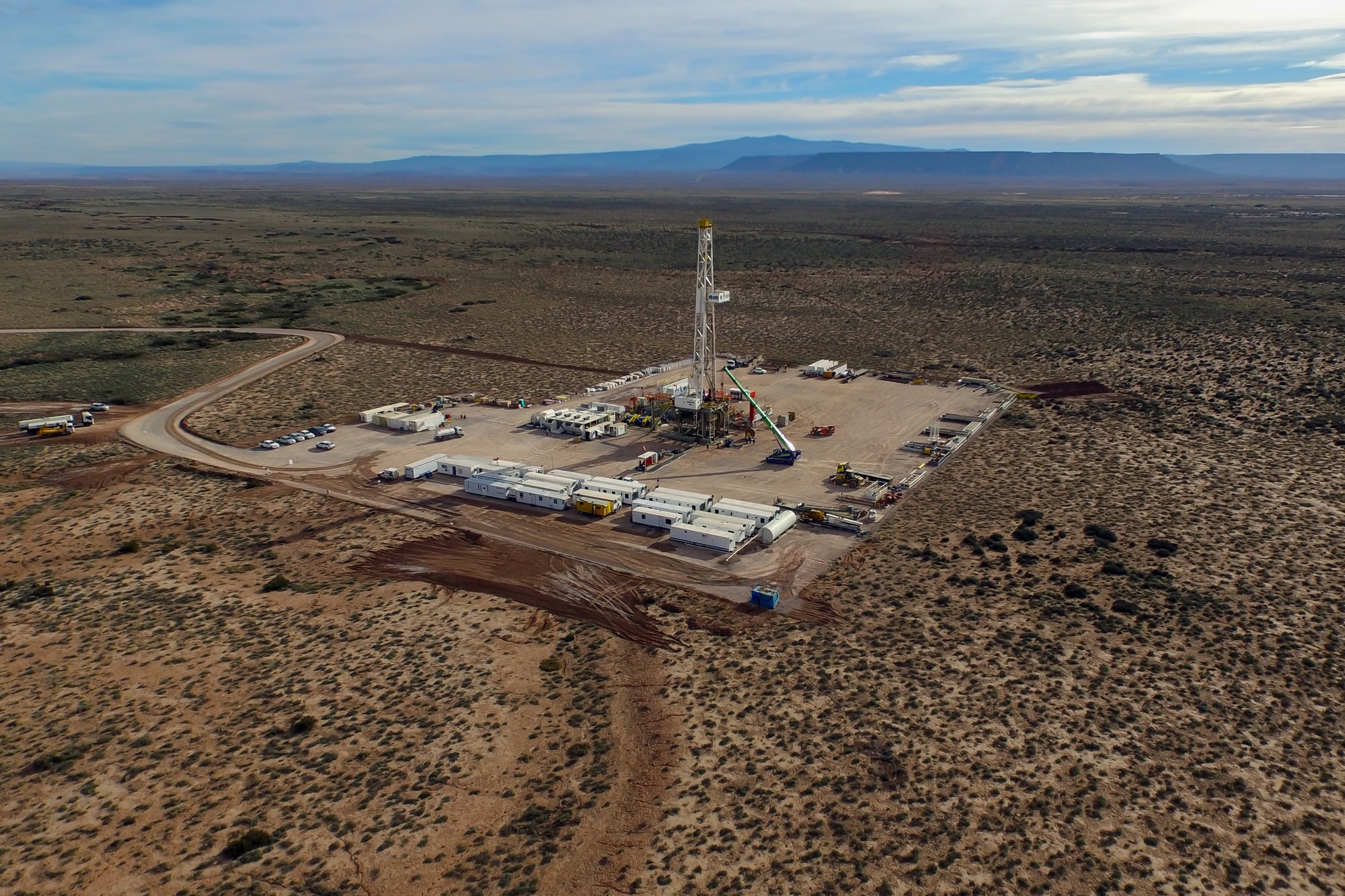
Argentina's oil industry reached a significant milestone in May, with crude production exceeding 900,000 barrels per day for the first time. Official data reveals that extraction hit 903,700 barrels daily, marking a 19.6% increase compared to May 2025. This surge is primarily fueled by the Vaca Muerta shale formation, which now constitutes 69% of the national production.
This achievement builds upon a previous record set in October 2025, when production reached 859,500 barrels per day. The May figure signifies crossing the 900,000-barrel threshold. Economy Minister Luis Caputo highlighted Vaca Muerta's strategic importance, stating it drives national production and solidifies energy's role for the country. Over the last five years, national output has grown 76%, largely due to Vaca Muerta's development, signaling a structural shift from decades of conventional production decline.
Industry experts attribute this performance to sustained operator investments, improved productivity in unconventional developments, and infrastructure upgrades that have eased export bottlenecks. Juan José Preciado, CEO of RICSA AlyC, noted Vaca Muerta as the primary growth engine for Argentina's upstream sector. May also saw crude oil exports reach a 20-year high.
Consultancy Econviews reported that the energy and fuel complex exported $1.745 billion in May, a 167% year-on-year jump, largely due to crude oil. For the first five months of the year, the sector generated $6.182 billion, up 44.7% from the same period in 2025. This increase stems from both higher export volumes and a favorable international market, influenced by Middle East conflict driving Brent crude prices near $100 per barrel.
DistantNews Editorial
Originally published by La Nación in Spanish. Translated, summarized, and contextualized by our editorial team with added local perspective. Read our editorial standards.
More Stories



From Our Blog

What Gets Lost (and Found) When News Is Translated

The Critical Role of Diaspora Media in Global News

What Travellers Should Know About Countries with Restricted Press

A Digital Nomad's Guide to Following Local News

How the Same Story Looks Different in Different Countries
