



Workplace Harassment Ban 7 Years On… Public Officials Remain in a Blind Spot
Translated from Korean, summarized and contextualized by DistantNews.
At a glance
News
Named sources
Under investigation
- A South Korean climate ministry official died by suicide, with allegations of overwork and workplace bullying circulating.
- The incident highlights a gap in legal protections for public officials against workplace harassment, unlike in the private sector.
- Despite promises of reform, concerns remain about the effectiveness of proposed measures in addressing deep-rooted issues within the civil service.
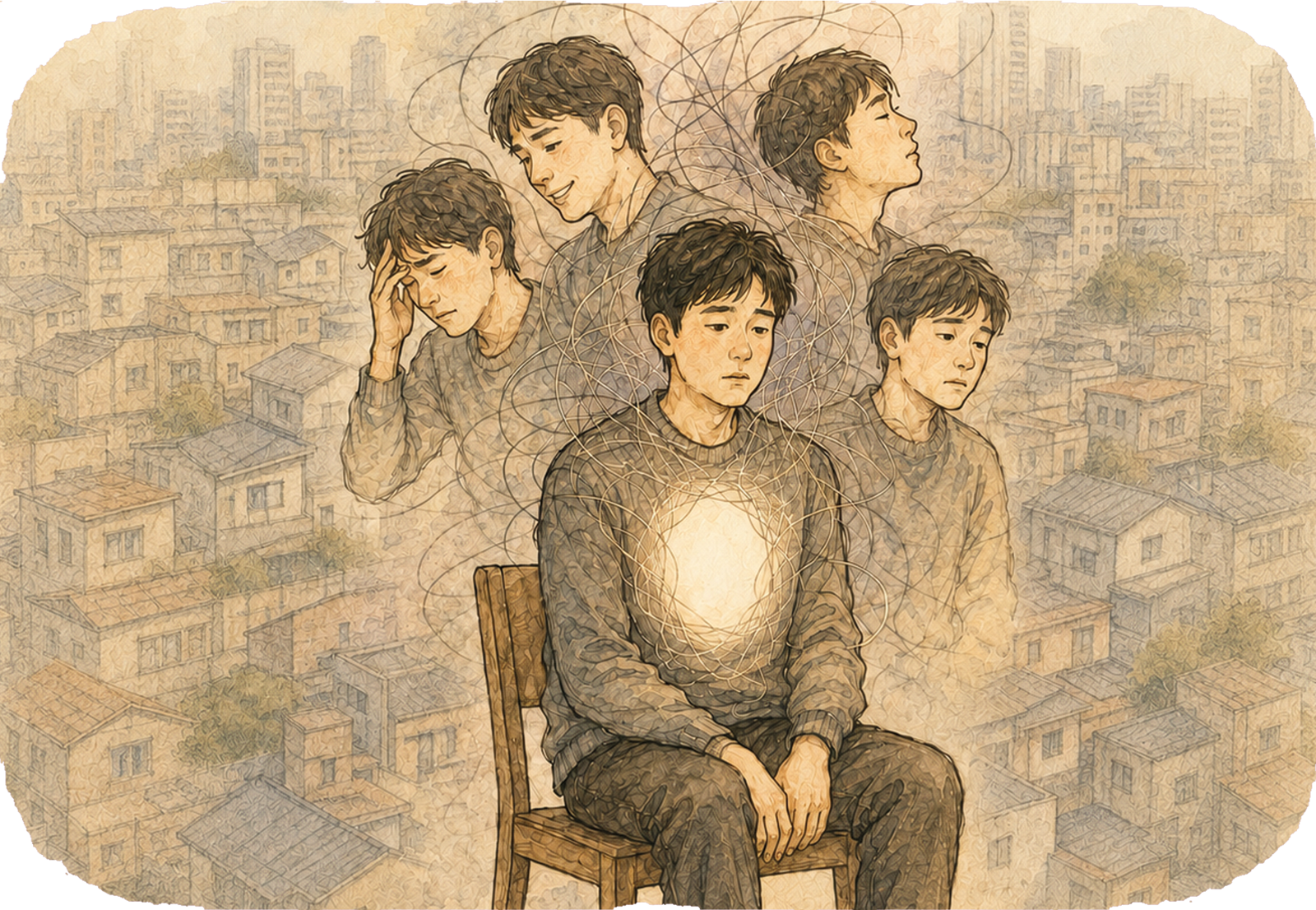
A tragic incident has cast a spotlight on the persistent issue of workplace bullying and overwork within South Korea's public sector. A 30-something official at the Ministry of Climate, Environment and Energy reportedly died by suicide just ten months after completing their probationary period. Rumors quickly spread among colleagues, fueled by internal messages and posts on the online community Blind, alleging that excessive workload and workplace harassment contributed to the official's death.
Details emerging suggest the official faced frequent reprimands and personal attacks from superiors during work-related discussions. A post, believed to be from a colleague, urged an investigation into whether the official experienced repeated insults and personal attacks during their tenure. The allegations have prompted a police investigation and an internal audit by the ministry.
This incident occurred exactly seven years after South Korea enacted legislation prohibiting workplace harassment. However, public officials remain in a legal blind spot. Unlike private sector employees, they are primarily governed by laws like the State Public Officials Act, which lack explicit provisions for protection against workplace bullying. Instead, they must rely on internal grievance committees or audits, which critics argue lack independence.
Please check if there were any statements or remarks that could be interpreted as repeated insults or personal attacks during the official's tenure.
Past incidents have repeatedly led to promises of improving organizational culture. Following the suicide of a firefighter in Jeonnam Gwangju last year, who had reported workplace bullying, the South Chungcheong Fire Department pledged to reform its culture. The climate ministry has also vowed to reflect on its workplace culture and systems, planning 'listening sessions' with a task force focused on junior employees.
However, skepticism lingers about whether these measures will translate into genuine change. The rigid hierarchy inherent in public service makes rapid cultural transformation challenging, raising concerns that the proposed actions might be mere superficial gestures. A recent survey by the Korean Government Employees' Union revealed that 86% of respondents found workplace bullying pervasive in the public sector, with 63% reporting personal experience within the last year. This underscores the urgent need for institutional safeguards to protect public servants from harassment.
Through this incident, we will fundamentally re-examine the climate ministry's workplace culture and systems.
DistantNews Editorial
Originally published by Dong-A Ilbo in Korean. Translated, summarized, and contextualized by our editorial team with added local perspective. Read our editorial standards.
More Stories

From Our Blog

What Gets Lost (and Found) When News Is Translated

The Critical Role of Diaspora Media in Global News

What Travellers Should Know About Countries with Restricted Press

A Digital Nomad's Guide to Following Local News

How the Same Story Looks Different in Different Countries
