


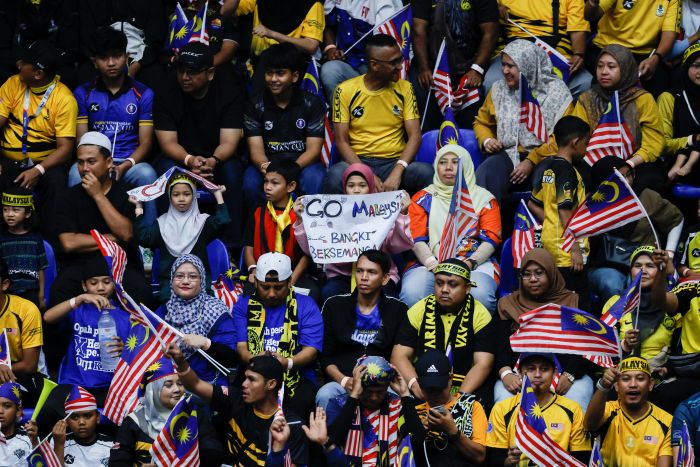
World Cup Fever Grips Women, Changing Football's Cultural Landscape
Translated from Malay, summarized and contextualized by DistantNews.
At a glance
In-depth
Sources not specified
Context piece
- The perception of women as mere spectators of football is changing, with many now actively following the World Cup with deep interest.
- Increased media coverage, digital streaming, and social media have made football more accessible, fostering greater female participation.
- Women in Malaysia are now involved in various roles within the football ecosystem, from commentators and content creators to journalists and coaches, enriching the sport.
The days of women being sidelined in football are fading. Today, many women are not just passive observers but enthusiastic followers of the World Cup, knowledgeable about players, strategies, and team performance. This shift reflects a broader cultural change, amplified by the ease of accessing matches through digital platforms, extensive media coverage, and social media.
This growing interest is fueled by accessible information via smartphones and the social aspect of watching games with friends and family. Beyond viewership, women are increasingly taking on active roles. They are emerging as sports commentators and hosts, offering professional insights, and creating tactical analyses, performance reviews, and prediction content on platforms like TikTok, Instagram, and YouTube. Their contributions are gaining significant traction, proving their deep understanding of the sport.
In Malaysia, women's involvement extends beyond the stadium or screen. They are active as sports journalists, commentators, referees, coaches, team managers, and digital content creators. Their presence diversifies and energizes the national football landscape, demonstrating that football is evolving into a unifying cultural force that transcends gender. The sport also instills positive values like teamwork, discipline, resilience, and respect, applicable to all aspects of life.
DistantNews Editorial
Originally published by Utusan Malaysia in Malay. Translated, summarized, and contextualized by our editorial team with added local perspective. Read our editorial standards.
More Stories

From Our Blog

What Gets Lost (and Found) When News Is Translated

The Critical Role of Diaspora Media in Global News

What Travellers Should Know About Countries with Restricted Press

A Digital Nomad's Guide to Following Local News

How the Same Story Looks Different in Different Countries
