


World Cup Football: National Team Perceptions Lag Behind Reality
Translated from Finnish, summarized and contextualized by DistantNews.
At a glance
Analysis
Sources not specified
Context piece
- Old perceptions of powerhouse football nations like Germany and Italy no longer reflect their current performance in international tournaments.
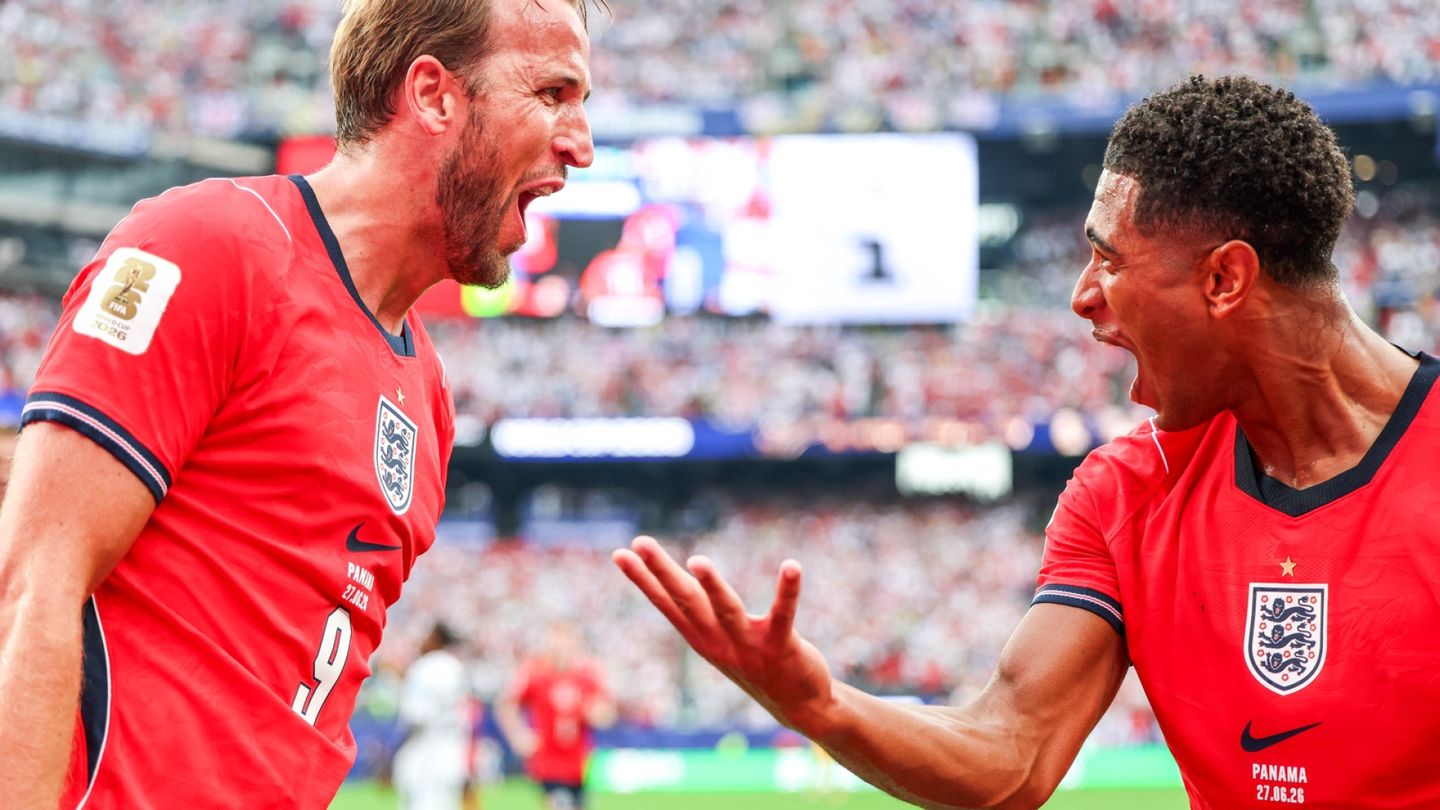
- Football has become globalized, with diverse playing styles, meaning stars like Harry Kane and Jude Bellingham do not play 20th-century British football for their national teams.
- Despite this evolution, outdated images of national teams persist, leading to a disconnect between expectations and reality in tournaments like the World Cup.
The image of football's traditional powerhouses is increasingly out of step with modern reality, as seen in the ongoing World Cup. Nations once defined by specific playing styles, such as Germany's "machine" efficiency or Italy's tactical prowess, no longer consistently embody those characteristics on the global stage. Italy, for instance, has failed to even qualify for recent World Cups.
Football's globalization has led to a diversification of playing styles. Top players like Harry Kane and Jude Bellingham, who earn their living at clubs like Bayern Munich and Real Madrid, do not replicate 20th-century British football for their national teams. This evolution means that the once-clear distinctions between national footballing identities have blurred considerably.
However, for many countries, these old perceptions remain deeply ingrained. Watching the World Cup can create a peculiar sensation, as if teams have forgotten their supposed playing methods. The question arises: Why doesn't the Netherlands attack with flair? Why doesn't Germany win with its characteristic grit? Where are England's long balls or Brazil's vibrant samba football?
The absence of teams like Italy from the tournament further highlights this shift. The romanticized, often 20th-century-based, images of how these footballing giants should play are proving to be a poor guide to their current capabilities and strategies. The reality on the pitch often diverges sharply from these enduring, yet increasingly anachronistic, national stereotypes.
DistantNews Editorial
Originally published by Helsingin Sanomat in Finnish. Translated, summarized, and contextualized by our editorial team with added local perspective. Read our editorial standards.
More Stories



From Our Blog

What Gets Lost (and Found) When News Is Translated

The Critical Role of Diaspora Media in Global News

What Travellers Should Know About Countries with Restricted Press

A Digital Nomad's Guide to Following Local News

How the Same Story Looks Different in Different Countries
