

World Loses Ukrainian Grain as Russia Strikes Global Food Market
Translated from Polish, summarized and contextualized by DistantNews.
At a glance
News
Sources not specified
Context piece
- Russia has intensified attacks on Black Sea grain terminals, disrupting global food supplies.
- This action directly impacts global food markets, leading to rising prices.
- The Kremlin appears to disregard the food security concerns of poorer nations, a shift from its earlier stance.
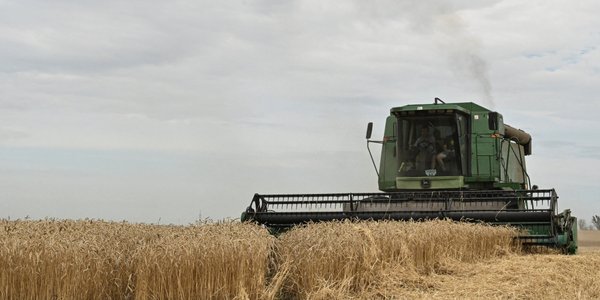
Russia's escalating attacks on Black Sea grain terminals are severely disrupting global food supplies, with significant consequences for international markets. The Kremlin's current strategy appears to disregard the critical food needs of poorer nations, a stark contrast to its previous expressions of concern during the initial Western sanctions following the invasion of Ukraine.
These targeted strikes on grain infrastructure are directly impacting the global food market, causing prices to surge. The disruption threatens food security for many countries that rely on these supplies, exacerbating existing vulnerabilities.
The shift in Russia's approach signals a move away from humanitarian considerations towards a more aggressive posture that leverages food as a strategic tool. This has raised alarms among international organizations and governments concerned about potential widespread hunger and economic instability.
The consequences of these attacks extend beyond immediate price increases, potentially leading to long-term instability in food supply chains and geopolitical tensions. The international community faces the challenge of mitigating these effects and ensuring access to food for vulnerable populations.
DistantNews Editorial
Originally published by Rzeczpospolita in Polish. Translated, summarized, and contextualized by our editorial team with added local perspective. Read our editorial standards.
More Stories

From Our Blog

What Gets Lost (and Found) When News Is Translated

The Critical Role of Diaspora Media in Global News

What Travellers Should Know About Countries with Restricted Press

A Digital Nomad's Guide to Following Local News

How the Same Story Looks Different in Different Countries
