

World population may peak and decline, shifting focus to human capital quality
Translated from English, summarized and contextualized by DistantNews.
At a glance
News
Sources not specified
Context piece
- World population is projected to peak and then decline naturally due to falling fertility rates, shifting from a 20th-century view of people as an expanding resource.
- While population numbers are important, the quality of human capital, including education in fields like AI and robotics, is becoming a key factor in international competition.
- Countries with large working-age populations have a demographic window to invest in education and technology to achieve a significant leap forward.
For much of the 20th century, a growing global population was seen as a driver of economic, technological, and military expansion. This surge coincided with unprecedented advancements in science and productivity, fostering a simple logic: more people meant more potential ideas and greater human capital.
However, this perspective is shifting. Experts like Dean Spears and Michael Geruso suggest that if low fertility rates become entrenched, the world's population may begin a natural decline. This would mark a departure from the historical anomaly of rapid growth seen over the past two centuries.
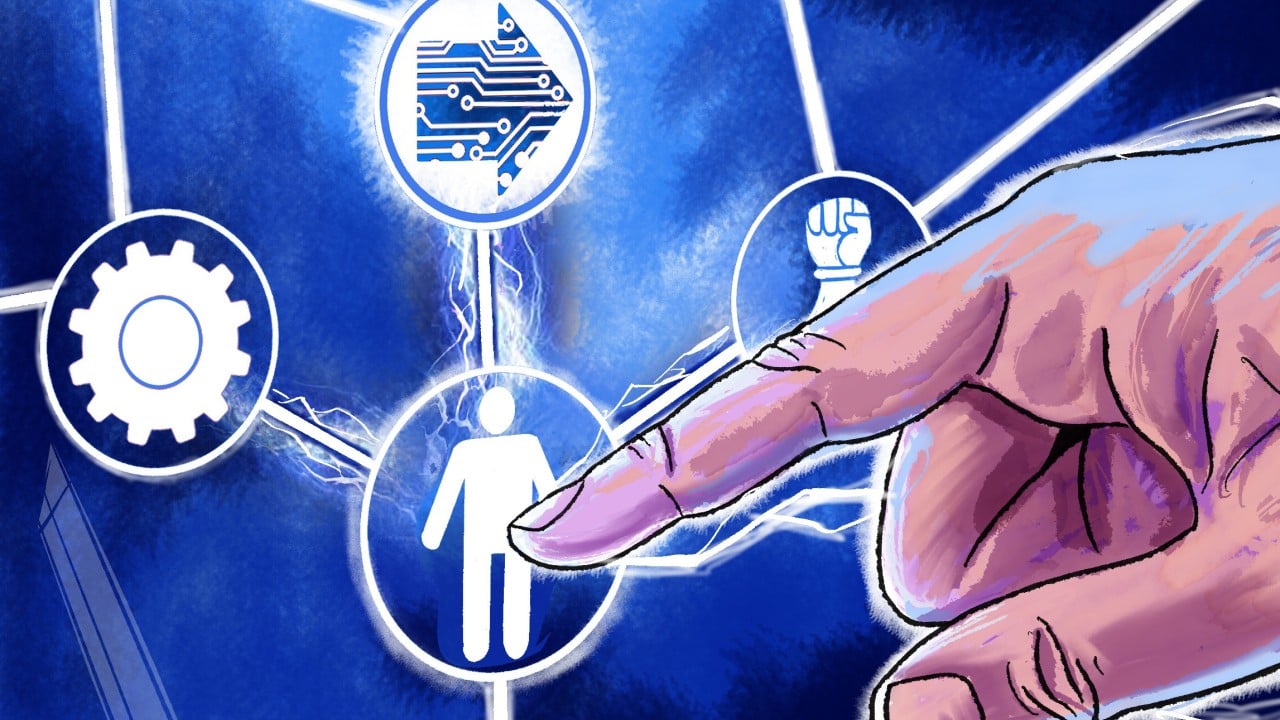
Numbers alone are no longer sufficient. The focus is now on the quality of human capital – a nation's capacity to educate engineers, scientists, skilled workers, and specialists in emerging fields like artificial intelligence and robotics. This is emerging as a new frontier in global competition.
Countries that still possess large working-age generations have a critical demographic window. They can leverage this period to invest heavily in education and technology, potentially achieving a significant leap forward on the international stage. The ability to tap into and develop human potential will be the deciding factor for success in the coming era.
DistantNews Editorial
Originally published by South China Morning Post in English. Translated, summarized, and contextualized by our editorial team with added local perspective. Read our editorial standards.
More Stories

From Our Blog

Countries Without a Free Press: What You Need to Know

What Press Freedom Means for the News You Read

What Gets Lost (and Found) When News Is Translated

The Critical Role of Diaspora Media in Global News

What Travellers Should Know About Countries with Restricted Press
