

![World's largest outdoor drone lab opens in Klagenfurt [premium] (Translated from German: Das weltgrößte Freiluftlabor fü](https://img.diepresse.com/public/incoming/xcfy1d-khfessldsc0740jpg/alternates/ORIGINAL/%C2%A9KhFessl_DSC0740.jpg)
World's largest outdoor drone lab opens in Klagenfurt [premium] (Translated from German: Das weltgrößte Freiluftlabor für Drohnen ist in Klagenfurt [premium])
Translated from German, summarized and contextualized by DistantNews.
At a glance
News
Named sources
Context piece
- Klagenfurt, Austria, has opened the world's largest outdoor drone testing facility, the 'Outdoor Drone Space Austria' (ODSA).
- The facility allows researchers to test drone algorithms in realistic weather conditions like sun, fog, wind, and rain.
- It complements an existing indoor drone hall, enabling comprehensive testing for applications in areas like forests and disaster zones.
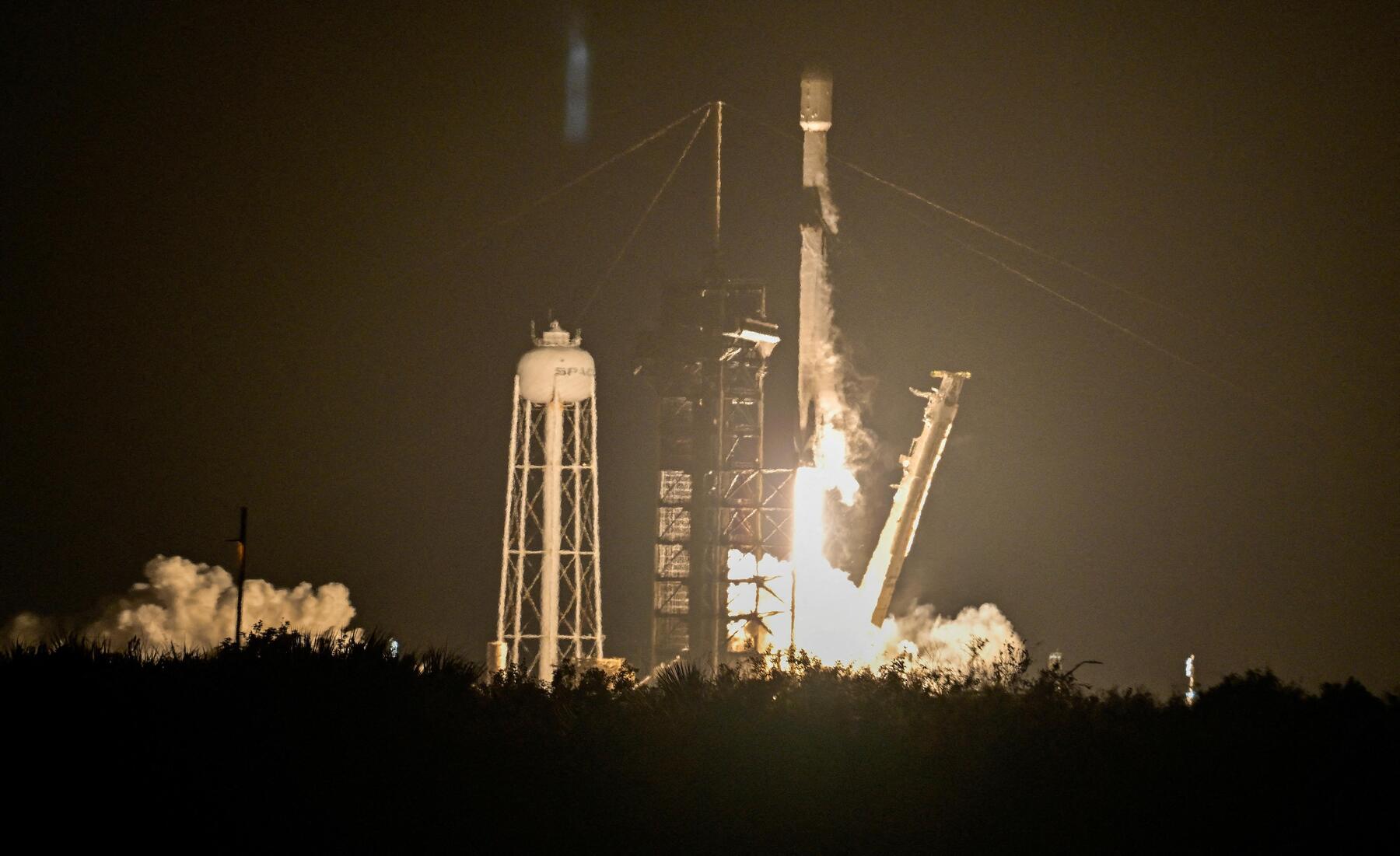
Klagenfurt, Austria, has secured a new global superlative with the launch of the 'Outdoor Drone Space Austria' (ODSA), the world's largest outdoor laboratory for drone research. This expansive facility, completed last autumn, complements the university's existing indoor drone hall, creating a comprehensive testing ground for advanced drone technologies.
The ODSA features 15-meter-high steel pillars enclosing a 1000-square-meter area, covered with a mesh net. Within this space, researchers can simulate real-world conditions, including sun, fog, wind, and rain. A grey construction container serves as the "Mission Control," housing a powerful server, workstations, and equipment storage.
Stephan Weiss, head of the "Control of Networked Systems" research group at the University of Klagenfurt, explained the importance of testing in varied environments. "Because we assume for many of our application cases that the drones will be used outdoors, such as in forests or disaster areas, it is important that we can work with the usual influences of wind, cold, solar radiation, heat, fog, rain, etc.," Weiss stated.
The facility's technical equipment allows for precise measurements, registering even minimal drone movements with sub-millimeter accuracy. An integrated cable robot system prevents crashes during riskier tests, acting as a safety line. This setup minimizes costs and accelerates development, enabling researchers to test algorithms in realistic settings without relying solely on simulators.
DistantNews Editorial
Originally published by Die Presse in German. Translated, summarized, and contextualized by our editorial team with added local perspective. Read our editorial standards.
More Stories


From Our Blog

What Gets Lost (and Found) When News Is Translated

The Critical Role of Diaspora Media in Global News

What Travellers Should Know About Countries with Restricted Press

A Digital Nomad's Guide to Following Local News

How the Same Story Looks Different in Different Countries
