

World's Only Known Wasp Species Discovered in Panama Added to University Collection
Translated from Spanish, summarized and contextualized by DistantNews.
At a glance
News
Sources not specified
Context piece
- Panama's University of Panama has incorporated Lissocampsomeris bribri, a unique wasp species discovered in 1994, into its scientific collection.
- The species, named in honor of the indigenous Bribri people, is known only from a single female specimen, with the male remaining a mystery.
- This incorporation strengthens biodiversity documentation and highlights the ecological importance of Scoliidae wasps as natural regulators of beetle larvae populations.
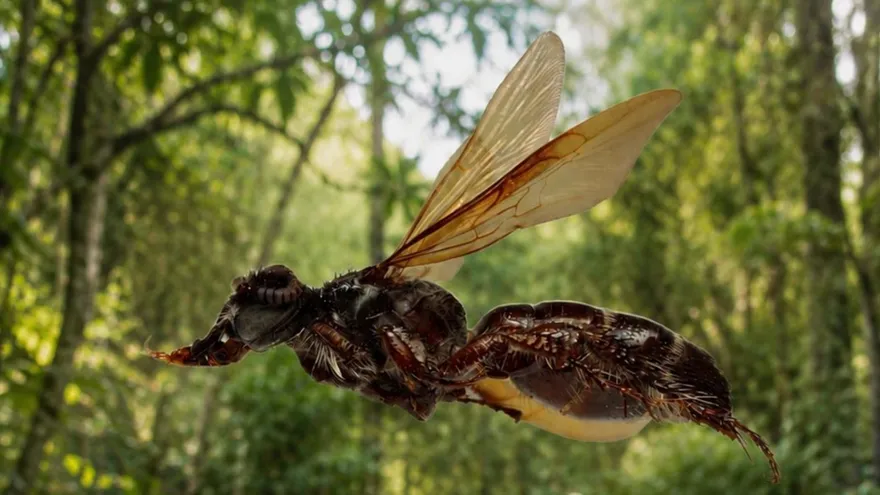
A unique species of wasp, Lissocampsomeris bribri, discovered in Panama in 1994, has been officially added to the scientific collection at the University of Panama. This significant inclusion bolsters the institution's efforts in documenting and conserving the nation's rich biodiversity.
The wasp, identified only from a single female specimen found at the Summit Botanical Garden, is considered unique worldwide. Its specific name, bribri, honors the indigenous Bribri community residing near the species' habitat in Bocas del Toro province. The male of this species remains undiscovered, presenting an ongoing mystery for entomologists.
The specimen was initially donated by Professor Yostin Añino Ramos to the University of Panama's Museum of Invertebrates. Belonging to the Scoliidae family, commonly known as giant or mammoth wasps, Lissocampsomeris bribri plays a vital ecological role. These wasps act as natural parasitoids for beetle larvae, helping to control their populations and maintain ecosystem balance.
The discovery and subsequent publication by researcher Luis Damián Ramírez and collaborators contribute to the growing knowledge of Scoliidae fauna in the Americas, now numbering 72 known species on the continent. Specialists emphasize that Central and South American Scoliidae fauna require further extensive study, and findings like this underscore the biological richness of the region's humid forests and the need for continued exploration.
DistantNews Editorial
Originally published by TVN Panamá in Spanish. Translated, summarized, and contextualized by our editorial team with added local perspective. Read our editorial standards.
More Stories



From Our Blog

What Gets Lost (and Found) When News Is Translated

The Critical Role of Diaspora Media in Global News

What Travellers Should Know About Countries with Restricted Press

A Digital Nomad's Guide to Following Local News

How the Same Story Looks Different in Different Countries
