


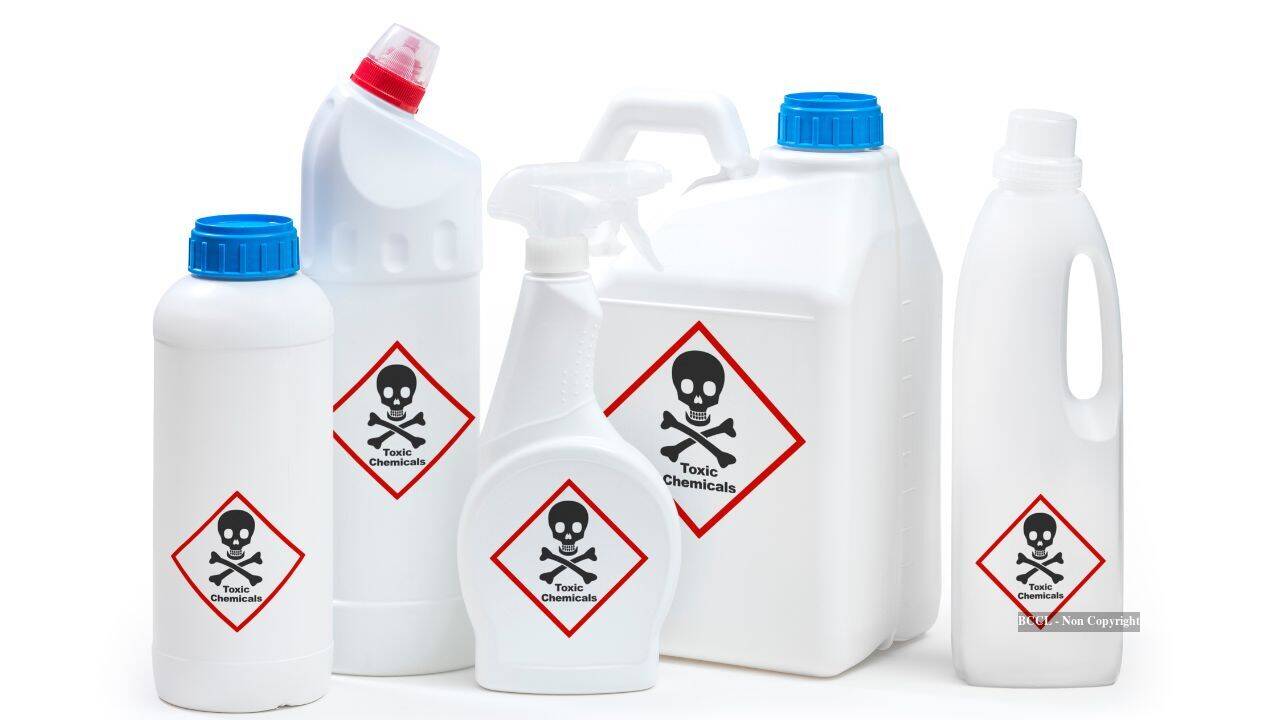
Yale researchers discover new method to remove and destroy PFAS chemicals
Translated from English and summarized by DistantNews. Read the original for the full story.
At a glance
News
Sources not specified
New plan
- Yale researchers have developed a novel technique to more easily remove and destroy PFAS chemicals.
- This breakthrough offers a promising solution to the persistent environmental contamination caused by these 'forever chemicals'.
- The new method could significantly impact efforts to clean up contaminated sites and protect public health.
Researchers at Yale University have announced a significant breakthrough in tackling the challenge of per- and polyfluoroalkyl substances (PFAS), commonly known as 'forever chemicals.' The team has developed a new method that simplifies the process of removing and destroying these persistent pollutants from the environment.
PFAS chemicals are widely used in industrial and consumer products due to their resistance to heat, water, and stains. However, their extreme persistence means they accumulate in the environment and the human body, leading to widespread contamination and potential health concerns. Traditional methods for removing and destroying PFAS are often complex, costly, and inefficient.
This new discovery by Yale researchers offers a potentially more effective and accessible solution. By simplifying the removal and destruction process, the method could accelerate cleanup efforts at contaminated sites, ranging from industrial areas to drinking water sources. The development marks a crucial step forward in mitigating the long-term environmental and health impacts associated with PFAS pollution.
About this summary
Originally published by Times of India in English. Translated, summarized, and contextualized automatically by DistantNews, with a note on how the source frames the story. Not individually reviewed before publishing. How this works.
More Stories


From Our Blog

What Press Freedom Means for the News You Read

What Gets Lost (and Found) When News Is Translated

The Critical Role of Diaspora Media in Global News

What Travellers Should Know About Countries with Restricted Press

A Digital Nomad's Guide to Following Local News
