


Young Malaysians still want to marry but lack funds
Translated from Malay, summarized and contextualized by DistantNews.
At a glance
News
Sources not specified
Context piece
- Young Malaysians still desire marriage and family but face significant economic and social hurdles.
- Factors like financial insecurity, job stability, and high care costs influence their decisions, not a lack of interest in family life.
- Malaysia's fertility rate is below replacement level, a global trend mirrored in countries like South Korea, highlighting the need for a more supportive ecosystem for young families.
Young Malaysians aspire to marry and start families, but economic pressures and the rising cost of living present formidable obstacles. The National Population and Family Development Board (LPPKN) acknowledges that while the desire for marriage remains strong, the environment needed to realize these dreams is increasingly difficult to achieve.
Young people do not reject marriage, not reject relationships or family. Their aspirations are still strong, but the conditions needed to realize these aspirations are becoming increasingly difficult to sustain.
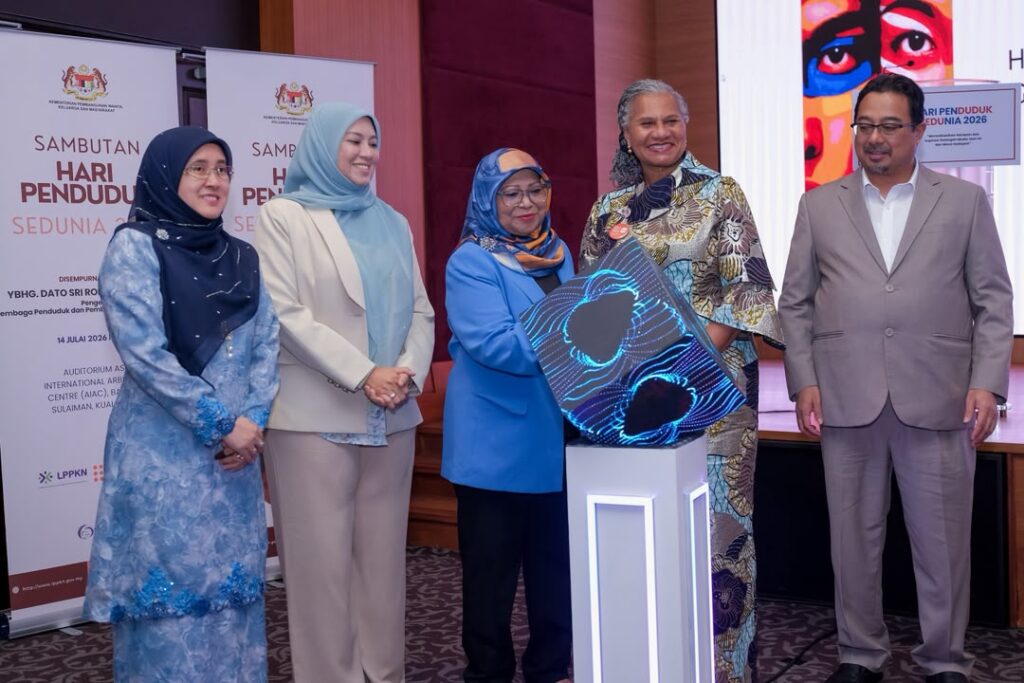
LPPKN Chairperson Rohani Abdul Karim stated that the government's role is not to dictate choices but to ensure informed decisions are made, free from undue pressure and supported by better economic and social opportunities. She emphasized that young people are not rejecting marriage or family but are hindered by circumstances that make establishing a stable foundation challenging.
Globally, the trend of declining fertility rates and aging populations is evident. A UNFPA Demographic Futures Survey revealed that over two-thirds of young individuals ideally wish to marry or cohabit, and about 90% desire children. However, financial security, stable employment, and emotional well-being significantly impact these decisions. This indicates a gap between the ideal family life envisioned by young people and what they perceive as attainable.
Financial security, stable employment, high care costs, and emotional well-being influence their decisions.
Malaysia's Total Fertility Rate (TFR) stands at 1.6%, below the replacement level of 2.1%. This mirrors a global phenomenon, with countries like South Korea reporting even lower rates at 0.9%. A LPPKN survey in Malaysia found that 90.9% of single respondents intend to marry, and 91.1% wish to have children, underscoring the persistent aspiration for family life despite the prevailing challenges.
The findings show not a loss of interest in family life, but a gap between the family that young people hope for and what they believe they can achieve and sustain.
DistantNews Editorial
Originally published by Utusan Malaysia in Malay. Translated, summarized, and contextualized by our editorial team with added local perspective. Read our editorial standards.
More Stories



From Our Blog

What Gets Lost (and Found) When News Is Translated

The Critical Role of Diaspora Media in Global News

What Travellers Should Know About Countries with Restricted Press

A Digital Nomad's Guide to Following Local News

How the Same Story Looks Different in Different Countries
