

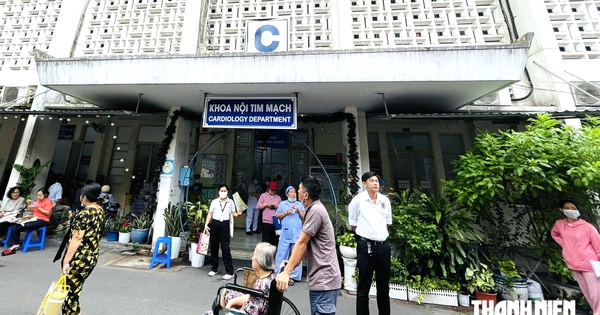

Young Mother Battles Dengue, Hemorrhage, and Liver Failure After Childbirth
Translated from Vietnamese, summarized and contextualized by DistantNews.
At a glance
News
Sources not specified
Outcome reported
- A 23-year-old woman in Dong Nai, Vietnam, faced a life-threatening situation after giving birth, suffering from severe dengue fever, postpartum hemorrhage, and acute liver failure.
- Doctors performed a hysterectomy and embolization to save her life after she experienced severe blood loss and shock.
- The patient is recovering and preparing for discharge after over 15 days of intensive care.
A young mother in Vietnam battled a complex and life-threatening combination of severe dengue fever, postpartum hemorrhage, and acute liver failure following childbirth. Doctors at Gia Dinh People's Hospital in Ho Chi Minh City successfully treated the 23-year-old patient, N.T.M.L., from Dong Nai province.
Initially diagnosed with dengue fever in early August while 39 weeks pregnant, she was transferred to a specialized obstetrics hospital. After a Cesarean section, her condition rapidly deteriorated. She experienced severe postpartum bleeding due to uterine atony and acute liver failure, leading to severe blood loss, shock, and disseminated intravascular coagulation. Despite blood transfusions and surgical attempts to control bleeding, her condition worsened, complicated by infection and multiple organ damage.
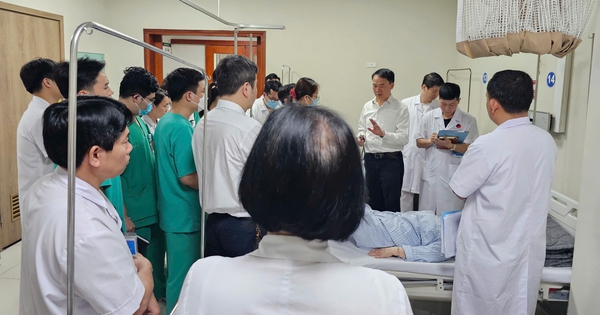
Admitted to the Intensive Care Unit, the patient was in a deep coma, with critically low blood pressure requiring mechanical ventilation. Her platelet count was alarmingly low at 17 G/L, exacerbating the bleeding risks associated with her liver failure. The medical team mobilized multiple departments to manage her critical state, providing blood products, respiratory support, plasma exchange, liver support, infection control, and managing her coagulation disorder.
This is a particularly complex case with multiple dangerous conditions occurring simultaneously.
Due to severe uterine damage, infection, and persistent bleeding, doctors made the difficult decision to perform a hysterectomy to control the hemorrhage and save her life. This was a challenging choice for a young woman who had just given birth to her first child, but it was deemed necessary to prevent further deterioration and infection.
Following the hysterectomy, her condition showed signs of improvement. However, she later developed bleeding from a deep pelvic site, leading to another episode of hemorrhagic shock. Interventional radiologists then performed an embolization procedure to stop the bleeding, avoiding another high-risk open surgery. After more than 15 days of continuous monitoring and treatment, the patient's health has stabilized, and she is preparing to be discharged.
This was a very difficult decision, given that the patient is young and had just given birth to her first child. However, in a life-threatening situation, the team's top priority was to quickly control the bleeding and prevent the infection from progressing.
DistantNews Editorial
Originally published by Thanh Niên in Vietnamese. Translated, summarized, and contextualized by our editorial team with added local perspective. Read our editorial standards.
More Stories

From Our Blog

What Gets Lost (and Found) When News Is Translated

The Critical Role of Diaspora Media in Global News

What Travellers Should Know About Countries with Restricted Press

A Digital Nomad's Guide to Following Local News

How the Same Story Looks Different in Different Countries
