


Zanzibar to Convert All Government Vehicles to Electric Power
Translated from Swahili and summarized by DistantNews. Read the original for the full story.
At a glance
News
Sources not specified
New plan
- Zanzibar plans to convert all government vehicles from fossil fuels to electric power to reduce carbon emissions and protect the environment.
- The initiative, approved by Zanzibar's President Dk Hussein Mwinyi, aims to accelerate the use of clean energy and support national and international climate change mitigation efforts.
- The transition will begin with electric public transport buses currently undergoing trials, followed by a broader conversion of the government fleet.
Zanzibar is set to transition all its state-owned vehicles from fossil fuels to electric power in a significant move to curb carbon emissions and champion environmental protection. This initiative, officially approved by Zanzibar's President Dk Hussein Mwinyi, aims to accelerate the adoption of clean energy and bolster efforts against climate change.
The plan aligns with broader national and international goals to combat the effects of global warming. Beyond the fleet conversion, Zanzibar also intends to enhance driver training to improve road safety, reduce accidents, and cultivate a skilled workforce adept at navigating technological advancements in the transportation sector.
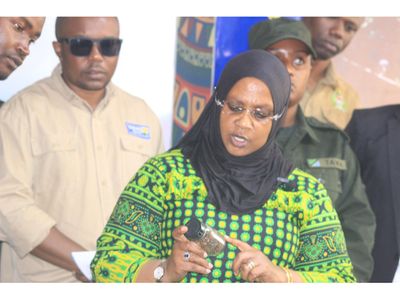
Bandria Masoud, Zanzibar's Deputy Minister of Construction and Transportation, announced the plan during a visit to the Arusha Technical College (ATC). He explained that the first phase involves electric public transport buses, which are currently in trial runs before their official launch. "We are preparing to make major reforms in the government's transport sector by converting vehicles that use fuel to electric vehicles," Masoud stated.
Following the successful implementation of the electric bus program, the government will proceed with converting the rest of its vehicle fleet. Masoud acknowledged that despite ongoing infrastructure projects aimed at economic growth, road accidents remain a considerable challenge requiring new strategies. "Road accidents are still one of our biggest challenges. We have assessed the areas that need improvement, which is why we came here to learn how to best prepare competent and more responsible drivers," he added.
Prof. Musa Chacha, Principal of ATC, affirmed the college's commitment to updating its curriculum to match global technological shifts, particularly in the realm of electric vehicles. He mentioned a visit to Japan in March by college leaders to build collaborations.
About this summary
Originally published by Mwananchi in Swahili. Translated, summarized, and contextualized automatically by DistantNews, with a note on how the source frames the story. Not individually reviewed before publishing. How this works.
More Stories


From Our Blog

News in Translation: What Gets Lost, and How We Keep the Framing

Diaspora Media: How Communities Abroad Follow Home

Traveling Where the Press Is Not Free: How to Read the News There

The Digital Nomad's Guide to Local News

The Same Story, Different Countries: How Coverage Changes at the Border
