


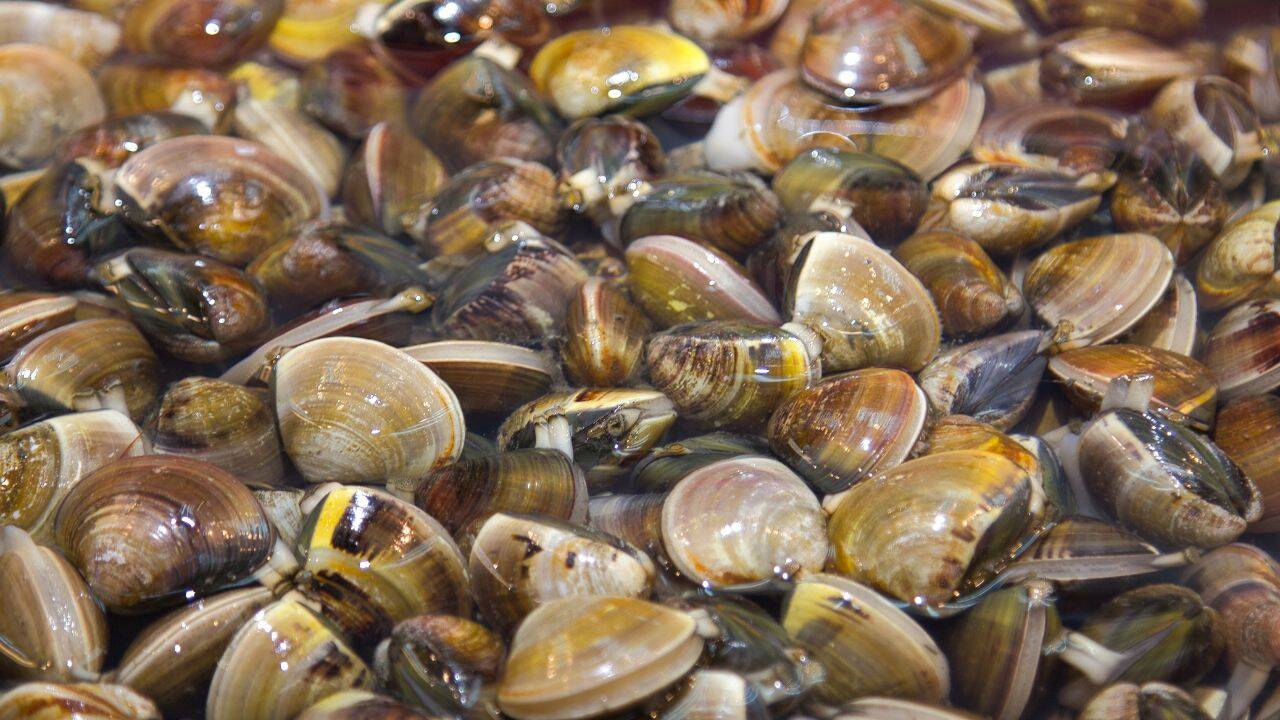
Zebra mussels spread across all Great Lakes within a decade of arriving in 1988
Summarized and contextualized by DistantNews.
At a glance
News
Named sources
Ongoing story
- Zebra mussels, an invasive species, have now infested Lake Meredith in Texas.
- The mussels arrived in North America in 1988 and spread rapidly across the Great Lakes.
- Officials fear Lake Meredith could become a stepping stone for the mussels to spread further west.
An invasive species that rapidly spread across North America's Great Lakes in the late 1980s has now established a significant presence in Texas, with officials confirming an infestation in Lake Meredith.
Zebra mussels, native to Eurasia, arrived in North America via ship ballast water in 1988. They are known for their ability to cling to hard surfaces, multiply quickly, and cause damage to ecosystems, native species, and infrastructure. Their sharp shells also pose a hazard along shorelines. The species' rapid spread across the Great Lakes within a decade was facilitated by their ability to travel on boats, trailers, and equipment.
Texas Parks and Wildlife Department (TPWD) confirmed in June 2026 that Lake Meredith, located near Amarillo, now hosts an established, reproducing zebra mussel population. This marks the state's 35th fully infested lake. The detection included both larvae and settled mussels of various sizes, indicating a breeding population rather than a transient one.
Officials are particularly concerned that Lake Meredith could serve as a "stepping stone" for the invasive mussels to spread further westward into other water bodies. The TPWD emphasizes the continued importance of boat cleaning and draining procedures to prevent further contamination. The state's current map shows 35 lakes fully infested, with detections in others not yet confirmed to have reproducing populations, illustrating the ongoing expansion of the invasion.
DistantNews Editorial
Originally published by Times of India. Summarized and contextualized by our editorial team with added local perspective. Read our editorial standards.
More Stories


From Our Blog

What Press Freedom Means for the News You Read

What Gets Lost (and Found) When News Is Translated

The Critical Role of Diaspora Media in Global News

What Travellers Should Know About Countries with Restricted Press

A Digital Nomad's Guide to Following Local News
