


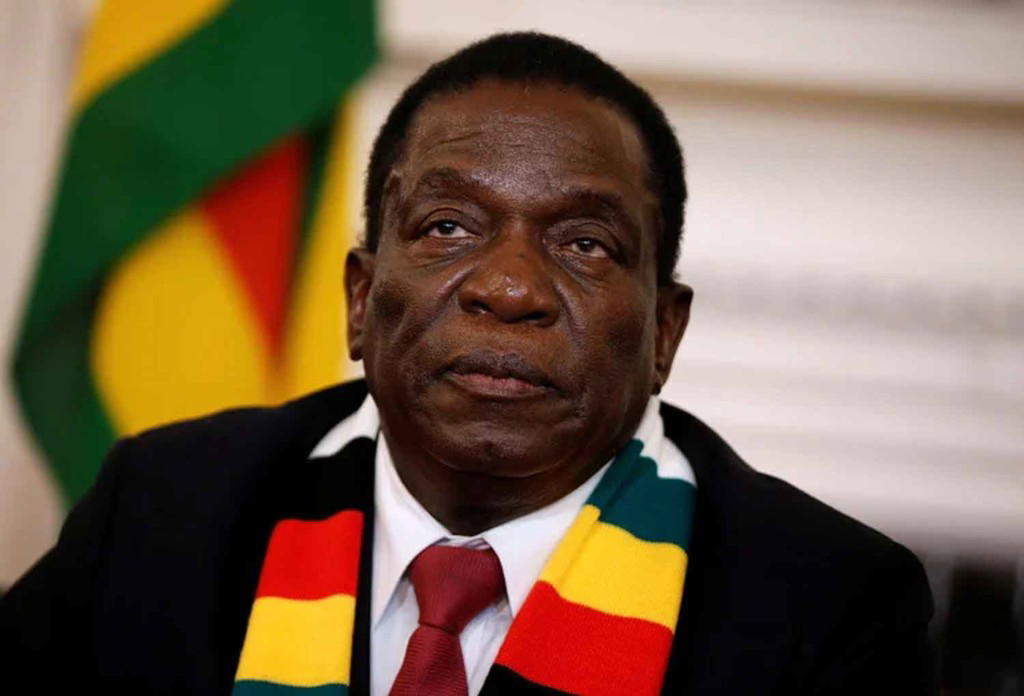
Zimbabwe president signs law extending term to 2030, ending direct presidential elections
Translated from English, summarized and contextualized by DistantNews.
At a glance
News
Sources not specified
New plan
- Zimbabwean President Emmerson Mnangagwa signed constitutional changes into law, extending his term to 2030 and removing direct presidential elections.
- The amendments, which increase presidential and parliamentary terms from five to seven years, were criticized by opposition figures as a
Zimbabwean President Emmerson Mnangagwa has signed into law constitutional changes that extend his term by two years, until 2030. The amendments also eliminate direct presidential elections, a move that opposition figures have sharply criticized. The ruling Zanu-PF party holds a parliamentary majority, allowing these changes to pass despite significant opposition.
The new law extends presidential and parliamentary terms from five to seven years. It also grants parliament the power to appoint the president, replacing the direct elections that were introduced in 1987. Critics have labeled these changes a "constitutional coup," arguing they will further entrench Zanu-PF's control over the resource-rich nation, which the party has governed since independence in 1980.
Mnangagwa, nicknamed "The Crocodile" for his ruthlessness, came to power in 2017 through a military-backed coup that ousted Robert Mugabe. The opposition, weakened by years of repression and disputed elections, views these constitutional amendments as a means to solidify the ruling party's grip on power.
SIGNED, SEALED AND DELIVERED, IT’S NOW LAW
DistantNews Editorial
Originally published by Vanguard in English. Translated, summarized, and contextualized by our editorial team with added local perspective. Read our editorial standards.
More Stories


From Our Blog

How the Same Story Looks Different in Different Countries

What Gets Lost (and Found) When News Is Translated

The Critical Role of Diaspora Media in Global News

What Travellers Should Know About Countries with Restricted Press

A Digital Nomad's Guide to Following Local News
