

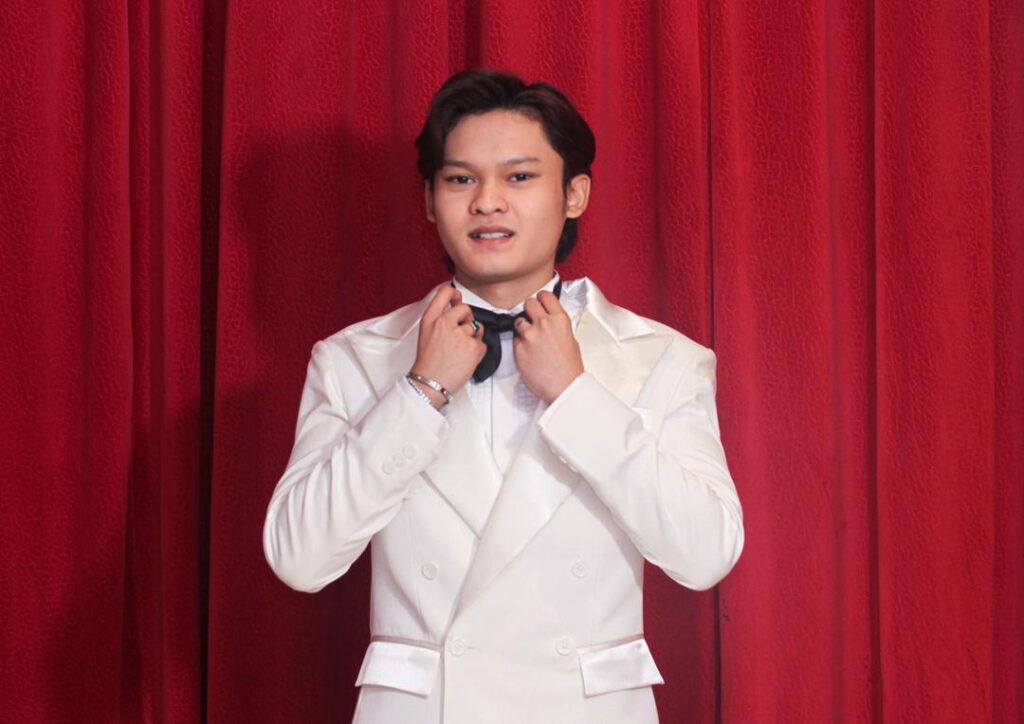

Zul Ariffin Rejects 'Actor Eating Actor' Culture in Malaysian Film Industry
Translated from Malay and summarized by DistantNews. Read the original for the full story.
At a glance
News
Named sources
Context piece
- Malaysian actor Zul Ariffin dislikes the culture of actors overshadowing their co-stars on set.
- He prioritizes collaborative work environments and building long-term professional relationships with fellow actors.
- Ariffin draws from his own experiences as a newcomer to foster respect and avoid unhealthy competition among cast members.
In the vibrant Malaysian entertainment industry, actor Zul Ariffin is making waves not just with his performances, but with his strong stance on professional conduct. Zul has openly expressed his disdain for what he terms the 'actor eating actor' culture – a phenomenon where performers might try to dominate scenes or overshadow their colleagues to gain personal spotlight. This perspective, shared by Zul, emphasizes a commitment to a more mature and collaborative working atmosphere.
I really dislike the culture of actors 'eating' other actors from the beginning. I am more comfortable working collaboratively because I want to build long-term working relationships with all actors.
Zul Ariffin believes that the essence of filmmaking lies in teamwork and mutual respect. He asserts that popularity or a lead role should not grant anyone the license to disrupt the harmony of a production set. His philosophy centers on the idea that the industry is a space for collective growth, where every member contributes to the final product. This viewpoint is particularly resonant in Malaysia, where community and collaboration are highly valued cultural tenets.
If there are actors who want to stand out too much or try to 'eat' other actors, it's actually not difficult to retaliate. But in the end, the working atmosphere becomes awkward.
Drawing from his own journey as a budding actor, Zul Ariffin understands the pressures and anxieties that new talents face when working alongside seasoned professionals. This empathy fuels his dedication to treating younger or less experienced actors with the same respect he wished he had received. He actively seeks to build enduring working relationships, preferring a cooperative approach over unhealthy rivalries that can create awkwardness on set and detract from the audience's viewing experience.
I prefer to work in a calm atmosphere. When work is done, I just want to go home and rest.
His experiences with dominant senior actors in the past have shaped his approach. While acknowledging such individuals, Zul prefers to maintain a calm and professional demeanor, avoiding ego clashes. He believes that an actor's true measure is not in hogging the spotlight but in being a reliable 'team player.' This principled stand by Zul Ariffin offers a refreshing perspective on professionalism within the Malaysian film and television landscape, promoting a healthier and more supportive environment for all artists.
Nervousness is normal. I used to be like that too.
About this summary
Originally published by Utusan Malaysia in Malay. Translated, summarized, and contextualized automatically by DistantNews, with a note on how the source frames the story. Not individually reviewed before publishing. How this works.
More Stories


From Our Blog

News in Translation: What Gets Lost, and How We Keep the Framing

Diaspora Media: How Communities Abroad Follow Home

Traveling Where the Press Is Not Free: How to Read the News There

The Digital Nomad's Guide to Local News

The Same Story, Different Countries: How Coverage Changes at the Border
