Warsaw Uprising Aid
6 articles from 1 country
Jan Nowak-Jeziorański argued that Allied air drops to the Warsaw Uprising were strategically significant, though often treated as secondary. The uprising, which began August 1, 1944, initially captured world media attention but this quickly faded as Western media shifted focus. Historical analysis challenges the narrative that the uprising was doomed, questioning portrayals of its leadership and suggesting a purely loss-based perspective can lead to stereotypes.

Warsaw Uprising Fighter Recounts Youthful Sacrifice and Wartime Values
- A 15-year-old Warsaw Uprising participant recounts his wartime experiences and the values that shaped his readiness to fight. - He was raised in a home that emphasized honor, freedom, and loyalty to the homeland. - His father volunteered for military service at the war's outbreak, leaving him and his mother to endure the occupation's hardships.
Polish Underground's Clandestine Arms Industry Fueled Warsaw Uprising
- The Polish Underground State established the largest clandestine arms production system in occupied Europe. - This significant technical and organizational effort formed a cornerstone of the Home Ar…
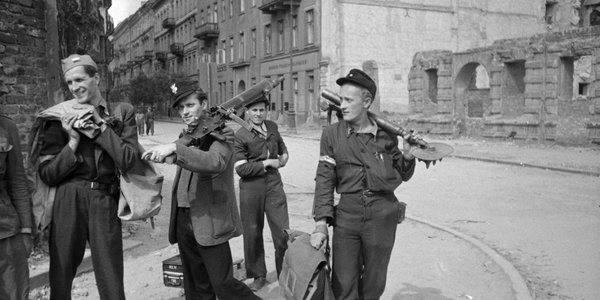
Warsaw Uprising Aid: A Strategic Mission Treated as Secondary?
- Jan Nowak-Jeziorański argued that Allied air drops of weapons and ammunition to the Warsaw Uprising were strategically more significant than many bombing raids on Germany. - He suggested that the pr…
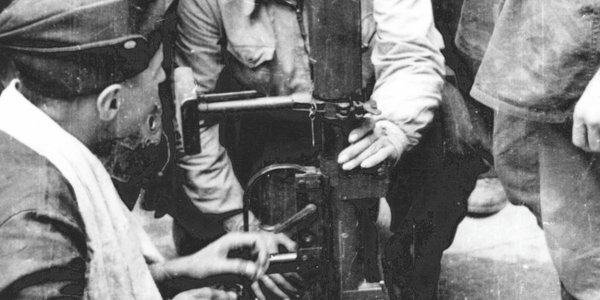
Warsaw Uprising captured world media for only a few days
- The Warsaw Uprising, which began on August 1, 1944, initially garnered international media attention but this quickly faded. - Western media shifted focus to major Allied advances on the Western Fro…
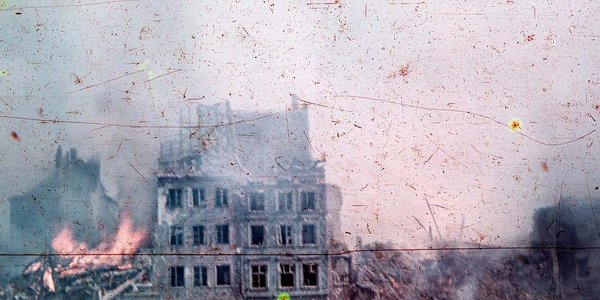
Warsaw Uprising was not doomed to failure
- A historical analysis challenges the narrative that the Warsaw Uprising was doomed from the start. - It questions the portrayal of General Leopold Okulicki as a reckless instigator of the uprising. …

Warsaw Uprising: We have learned to live with this myth
- The Warsaw Uprising resulted in 200,000 civilian deaths and extensive destruction of the city. - A purely loss-based perspective can lead to stereotypes about irresponsible commanders and impulsive …